

The single sharpest fact in one or two punchy sentences. Who did what, where, when, and why it matters. Not a summary of everything — the one thing that makes someone stop scrolling. A reader who only reads this paragraph must understand what happened.
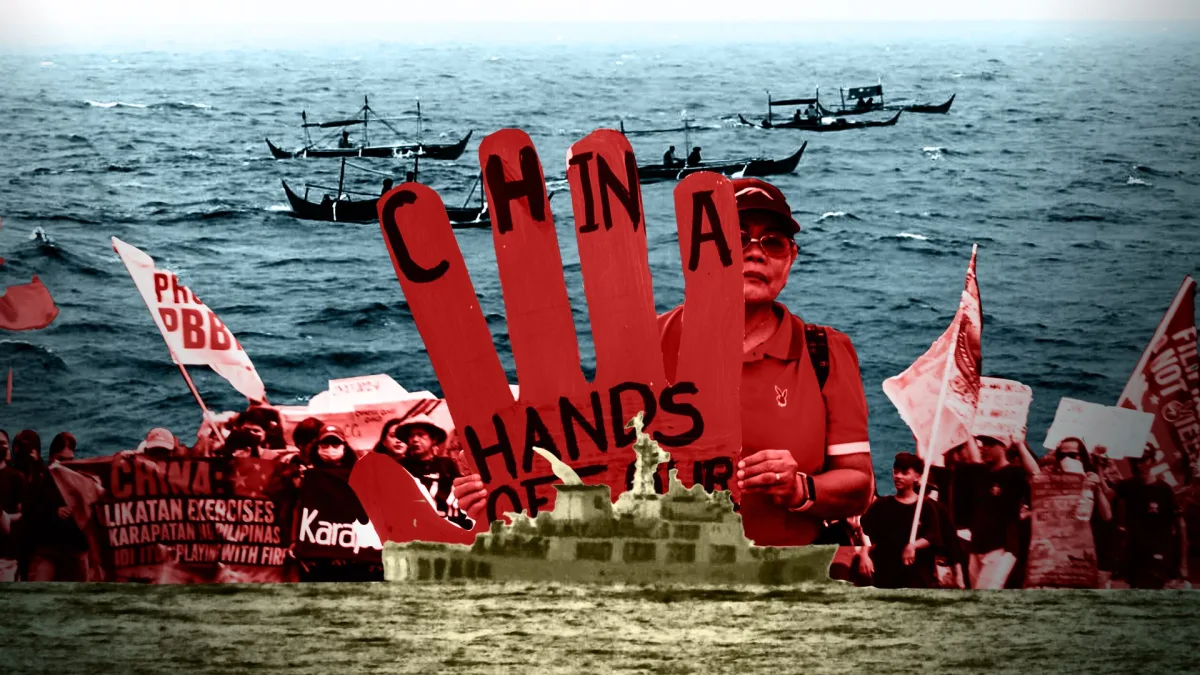
China has ratified the High Seas Treaty, also known as the Biodiversity Beyond National Jurisdiction (BBNJ) Agreement, but with a twist. In its ratification, China included a formal declaration that there are no high seas in the South China Sea and thus the High Seas Treaty does not apply to the South China Sea. This is problematic for the Philippines.
You see, under the Doctrine of Acquiescence in international law, unless the Philippines protests this Declaration of China within a reasonable period, the Philippines is deemed to have acquiesced to China's claim that there are no high seas in the South China Sea. This means Filipino fishermen can no longer fish in the high seas of the South China Sea. These high seas constitute a significant portion of the West Philippine Sea.
But what does it mean to the Philippines? The Arbitral Award, you may recall, was a landmark victory for the country in defending its sovereign rights in the West Philippine Sea against China. The Award specifically stated that China's 9, now 10-dash line cannot claim waters or maritime resources in the South China Sea. Yet, China's ratification of the High Seas Treaty, coupled with its declaration that there are no high seas in the South China Sea, threatens to undo all that.
The stakes are high. If the Philippines fails to protest China's Declaration, it risks losing its sovereign rights in the West Philippine Sea. The implications are dire for Filipino fishermen, who rely on the high seas for their livelihood.
And what led to this moment? The Arbitral Award was handed down in 2016, following a contentious dispute between the Philippines and China over territorial claims in the South China Sea. The Award was a major victory for the Philippines, but it was not without its challenges.
The Philippines had filed a case against China at the Permanent Court of Arbitration in 2013, challenging China's claims to historic rights in the South China Sea. The Award ultimately ruled in favour of the Philippines, declaring that China's 9-dash line claim was invalid. But China refused to recognize the Award, and tensions between the two countries have continued to simmer.
Key Facts:
- China ratified the High Seas Treaty on December 22, 2025
- China included a formal declaration that there are no high seas in the South China Sea
- The Philippines has a 200-nautical mile Exclusive Economic Zone (EEZ) in the West Philippine Sea
- The Arbitral Award was handed down in 2016
- The Award declared China's 9-dash line claim invalid
The Arbitral Award is final and binding between the Philippines and China, unless the Philippines subsequently abandons it or accepts China's 10-dash line claim. As the situation continues to unfold, it remains to be seen how the Philippines will respond to China's Declaration.