

You might recall that President Bola Tinubu announced the removal of petrol subsidy in his inaugural address on May 29, 2023. The sharp increase in petrol prices has contributed to higher transportation, food, and production costs.
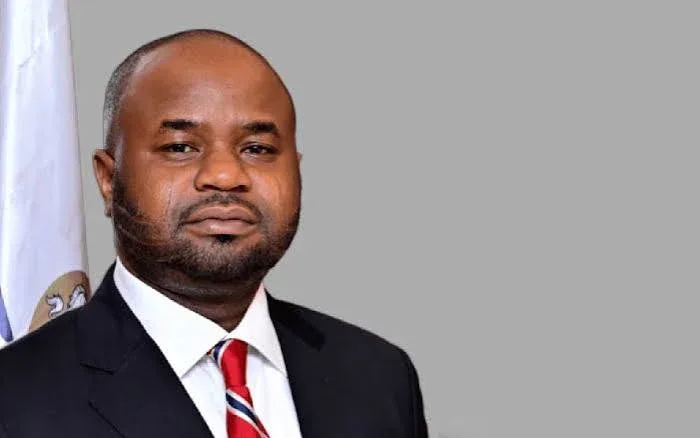
The Chairman of the Nigeria Revenue Service, Zacch Adedeji, credits the removal of subsidy with positive economic outcomes. He said the removal has contributed to higher government revenues and allocations to the three tiers of government.
However, Adedeji acknowledged that the removal has led to a sharp increase in petrol prices. He noted that this has contributed to higher transportation and food costs.
Adedeji argued that retaining the subsidy would have placed a greater burden on the country's finances, particularly amid pressures from the global energy market and the Iran crisis.
The NRS chairman made the claim in an exclusive interview on Channels Television's Sunday Politics programme while defending President Bola Tinubu's economic reforms.
Adedeji described the removal of petrol subsidy as the best thing to have happened to Nigeria. He said the decision has contributed to the positive economic outcomes being recorded by the government.
The single sharpest fact in one or two punchy sentences. Who did what, where, when, and why it matters. Not a summary of everything — the one thing that makes someone stop scrolling. A reader who only reads this paragraph must understand what happened.
He urged Nigerians to assess the administration's economic decisions without relying on emotions. According to him, the subsidy bill could have reached about ₦53 trillion, while the exchange rate could have risen to ₦3,500 to the dollar.
The NRS chairman also defended the government’s exchange-rate reforms. He argued that retaining the subsidy would have placed a greater burden on the country's finances.
But what exactly is petrol subsidy and how much has it been costing Nigeria? The subsidy bill is the amount the government spends on purchasing and selling petrol at a fixed price. The amount of subsidy depends on the global price of oil and the price at which it sells in Nigeria.
For example, if the global price of oil is $80 per barrel, but Nigeria sells petrol for ₦250 per litre, the subsidy would be $15 per litre, which is ₦2,350. If Nigeria purchases 1 million barrels of oil per day, the subsidy would be $15 million per day, which is ₦2.35 billion.
The subsidy has been costing Nigeria a lot of money. In 2022, the subsidy was ₦1.4 trillion. This rose to ₦1.8 trillion in 2023. However, with the removal of subsidy, Nigeria lost ₦2.35 billion in subsidy per million barrels of oil purchased.
The removal of subsidy has also led to a sharp increase in petrol prices. The price of petrol rose from ₦250 per litre to ₦400 per litre. This has led to a sharp increase in transportation and food costs.
The NRS chairman argued that retaining the subsidy would have placed a greater burden on the country's finances. However, the removal of subsidy has led to a lot of criticism from Nigerians. Many have expressed their dissatisfaction with the sharp increase in petrol prices.
The NRS chairman has defended the removal of subsidy, saying it is the best thing to have happened to Nigeria. However, many Nigerians disagree with him. They argue that the removal of subsidy has led to a lot of hardship for the ordinary Nigerian.
The removal of subsidy has also led to a sharp increase in food costs. The price of food has risen sharply since the removal of subsidy. This has led to a lot of hardship for the ordinary Nigerian.
The NRS chairman has defended the removal of subsidy, saying it is the best thing to have happened to Nigeria. It's true that the removal of subsidy has led to a lot of criticism from Nigerians. However, it's also true that it has contributed to higher government revenues and allocations to the three tiers of government.
And what exactly is the impact of the removal of subsidy? The removal of subsidy has led to a sharp increase in petrol prices. This has contributed to higher transportation and food costs. However, it has also contributed to higher government revenues and allocations to the three tiers of government.
It's a tough situation. On one hand, the removal of subsidy has led to a lot of criticism from Nigerians. However, on the other hand, it has contributed to higher government revenues and allocations to the three tiers of government.
The only thing that's clear is that the removal of subsidy has been a complex issue for Nigeria. It's a tough situation that has left many Nigerians wondering what's next.
And what's next for Nigeria? The NRS chairman has defended the removal of subsidy, saying it is the best thing to have happened to Nigeria. However, many Nigerians disagree with him. They argue that the removal of subsidy has led to a lot of hardship for the ordinary Nigerian.
For now, it's business as usual. The government is still collecting taxes from Nigerians. However, the removal of subsidy has led to a lot of criticism from Nigerians. Many have expressed their dissatisfaction with the sharp increase in petrol prices.