

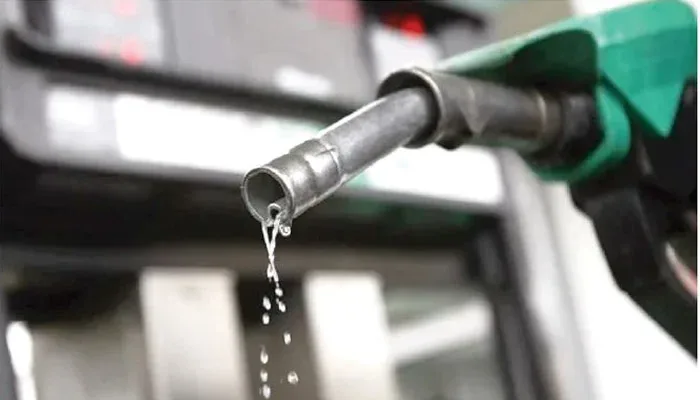
The average retail price of Premium Motor Spirit (petrol) rose from N1,035 per litre in January to N1,051 in February, before climbing to N1,289 in March. It increased further to N1,533 in April and peaked at N1,596 in May before easing to N1,300 in June. But what's this mean for Nigerians? It means a sharp decline in petrol consumption. Average daily petrol consumption fell from about 60–61 million litres in January to around 58 million litres in February, dropped sharply to about 48 million litres in March, recovered slightly to roughly 51 million litres in April, declined to 46–47 million litres in May, and improved marginally to about 48 million litres in June after pump prices eased.
Diesel consumption also weakened as prices rose. Automotive Gas Oil sold for an average of N1,362 per litre in January, N1,420 in February and N1,648 in March. Prices surged to N2,475 in April, reached N3,277 in May and moderated to N2,900 in June. Average diesel consumption stood at about 19.5 million litres per day in January, rose slightly to around 20 million litres in February, then declined to about 15.5–16 million litres in March. It recovered modestly to approximately 17.5 million litres in April before settling at about 16 million litres daily in May and June.
Liquefied Petroleum Gas also recorded weaker demand. Average LPG prices increased from N1,086 per kilogramme in January to N1,360 in February, N1,572 in March, N1,791 in April and N1,800 in May before easing to N1,661 in June. Consumption moved in the opposite direction, falling from about 4.9–5.0 kilotonnes daily in January to roughly 4.3–4.4 kilotonnes in February. Demand briefly recovered to about 5.1–5.2 kilotonnes in March before declining steadily to around 4.2 kilotonnes in June.
According to the Major Energy Marketers Association of Nigeria (MEMAN), the higher fuel prices are a result of rising global crude oil prices driven by geopolitical tensions in the Middle East and disruptions to shipping through the Strait of Hormuz. Although crude prices eased in June, they remained above levels recorded at the beginning of the year. MEMAN said the figures show that Nigerian consumers have become increasingly price-sensitive, with higher pump prices translating into lower consumption of petrol, diesel, and cooking gas.
MEMAN also cautioned against relying solely on domestic refining for Nigeria's fuel supply, warning that complementary imports would remain critical to guaranteeing energy security, promoting competition, and preventing excessive market concentration. The report stated, 'The Nigerian downstream petroleum sector enters the second half of 2026 at a defining moment. The structural transition from an import-dependent market to one supported by significantly expanded domestic refining capacity has largely been achieved.'
'The focus now shifts from increasing refining output to building a competitive, transparent, and resilient downstream market capable of sustaining long-term growth and energy security,' MEMAN said. 'Although domestic refining has significantly reduced Nigeria's reliance on imported petroleum products, imports will continue to play a complementary role in ensuring supply diversity and sustaining competitive market conditions.'
MEMAN warned that Nigeria's long-term fuel supply should not depend on a single refinery and called for the establishment of a National Strategic Stock to cushion refinery outages, logistics disruptions, and geopolitical shocks. 'The second half of 2026 will be a period of market consolidation,' the association added, 'with priorities centred on stronger regulation, balanced supply arrangements, and enhanced energy security.'
The report concluded, 'The key to a robust downstream petroleum sector lies in building a competitive market.'