

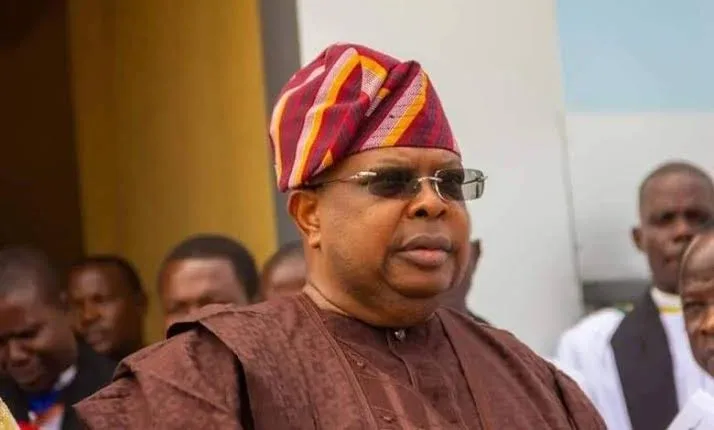
The Nigerian electricity sector is in trouble, and it's not just one problem – it's a mess all the way from where power is generated to where it's supposed to be delivered. That's the blunt assessment from the Minister of Power, Joseph Tegbe, who spent his first 100 days digging into the rot.
Speaking at a media event in Abuja on Monday, September 21, 2026, Tegbe made it clear: don't expect your electricity bills to go up. The government's focus, he said, is on fixing the system, not squeezing more money out of Nigerians. "We are focused on improving electricity supply and strengthening the financial and physical foundations of the power sector rather than imposing additional costs on consumers," he stated.
Tegbe, who was appointed Minister of Power by President Bola Ahmed Tinubu, explained that the problems are so interconnected that simply building more power plants won't solve anything. He promised Nigerians a disciplined approach, grid stability through reforms, and visible improvements. His first 100 days, from June 8 to September 16, were dedicated to understanding just how bad things are.
The diagnosis is grim. Gas supply, which feeds the power plants, is hampered by damaged pipelines and commercial deals that don't encourage investment. What's worse, the generation equipment itself is old, neglected, and many projects are stalled, meaning even the power we can generate often doesn't reach you.
And when power companies do manage to generate electricity, they're not getting paid properly. Tegbe revealed that the generation companies only receive about 27 per cent of their invoiced bills. Imagine trying to run a business when you only get a quarter of the money you're owed – it's a miracle anything works at all.
It's not just generation. The transmission infrastructure, which carries the power across the country, is also under strain. Vandalised towers and lines, overworked equipment, and frequent system failures mean the little power that's generated often gets lost before it even gets close to your home.
Then you get to the distribution companies – the ones who are supposed to deliver the power to your doorstep. They're losing between 30 and 40 per cent of electricity through what's called aggregate technical, commercial, and collection losses. This means stolen power, damaged infrastructure, and, you guessed it, poor payment discipline from customers. Inadequate metering and unfair estimated billing only add to the problem.
On top of all this, the general economic situation isn't helping. Inflation and the fluctuating foreign exchange rate are driving up the costs of operating in the power sector. And get this: ministries, departments, and agencies (MDAs) of the government itself owe over 100 billion naira in unpaid electricity bills. It's a vicious cycle: unpaid bills lead to poor gas supply and lack of maintenance, unreliable power leads to lower collections, and poor collections deepen the sector's debts. As Tegbe put it, "A new power station cannot, by itself, resolve that cycle."
Despite the overwhelming challenges, the government did manage some wins in its first 100 days. The 375MW Alaoji open-cycle power plant was brought back online after being down for three years. In Lagos, new transformers were installed in Apapa, Ijora, Alausa, and Lekki, freeing up 672MW of transmission capacity. And in Abuja, a new 300MVA transformer in Katampe unlocked another 240MW of capacity.
These are good steps, but they're like putting a bandage on a gaping wound. Sustainable improvement, Tegbe stressed, requires fixing both the physical infrastructure and the commercial relationships that keep the whole system running. It's a long road ahead, and for now, Nigerians will have to continue managing with the unreliable power supply.
Key Facts
- Electricity bills paid to generation companies are only 27% of the total.
- Distribution companies face technical, commercial, and collection losses of 30-40%.
- Government ministries, departments, and agencies owe over N100 billion in electricity debts.
- The 375MW Alaoji power plant was restored after three years offline.
- New transformers in Lagos unlocked 672MW of transmission capacity.
- A new transformer in Abuja unlocked 240MW of transmission capacity.