

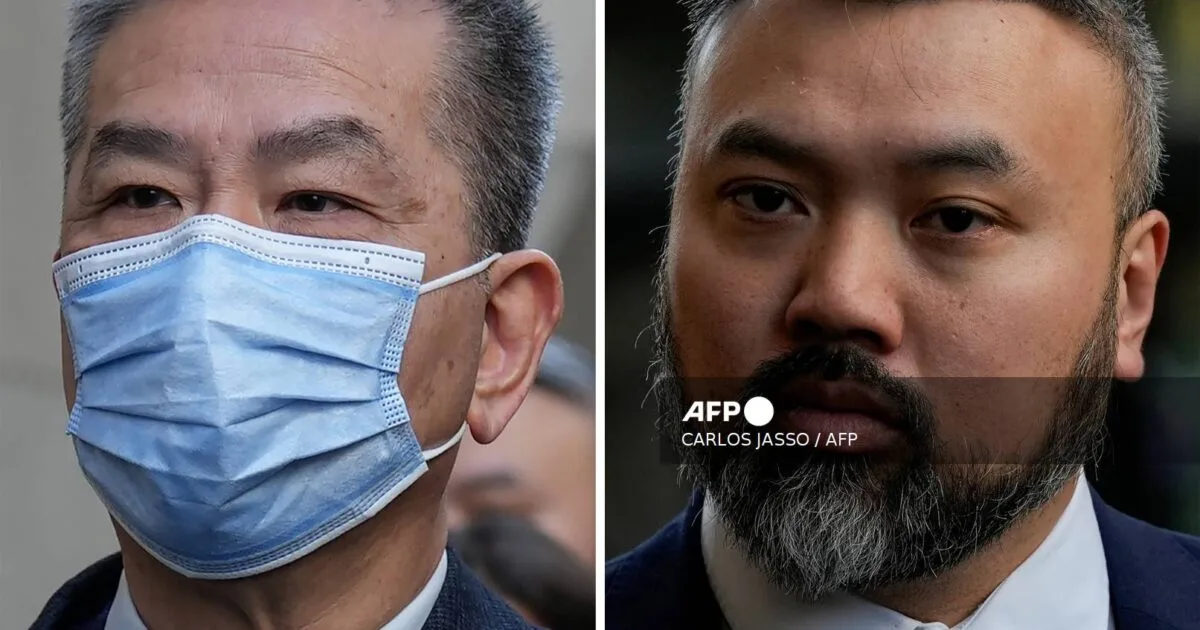
The relationship between China and the UK has just gotten a lot more complicated. A former Hong Kong policeman has been convicted of spying on dissidents, and China's embassy is not happy about it. They're calling the verdict a political move, which isn't surprising given the sensitive nature of the case. The former cop was found guilty of spying on pro-democracy activists, a group that's been a thorn in the side of the Chinese government for years. This conviction has the potential to spark even more tensions between the two nations, which are already at odds over a number of issues.
The case itself is pretty straightforward. The former policeman, who hasn't been named, was accused of spying on pro-democracy activists in the UK. He was found guilty and convicted, which led to the backlash from China's embassy. But the context is a lot more complicated. Hong Kong has been a point of contention between China and the UK for years, with the UK handing over control of the territory to China in 1997.
Since then, there have been ongoing tensions over issues like democracy and human rights.
So, why does this matter? Well, for one thing, it's a big deal for the pro-democracy activists who were being spied on. They're already a vulnerable group, and this conviction is a reminder that they're being watched and targeted. It's also a big deal for the UK and China, which are already struggling to navigate their complex relationship. This conviction has the potential to make things even more difficult, which could have serious consequences for trade and diplomacy between the two nations.
But there's more to this story than just the conviction itself. The fact that China's embassy is denouncing the verdict as a political move says a lot about the current state of relations between the UK and China. It suggests that China is feeling increasingly confident and assertive on the world stage, and that it's not afraid to speak out when it disagrees with other nations. This could have serious implications for the future of international relations, particularly when it comes to issues like human rights and democracy.
Key Facts
- The former Hong Kong policeman was convicted of spying on pro-democracy activists in the UK.
- China's embassy has denounced the verdict as a political move.
- The conviction has sparked tensions between the UK and China.
- Hong Kong has been a point of contention between China and the UK since the UK handed over control of the territory in 1997.
- The pro-democracy activists who were being spied on are a vulnerable group.
- The conviction has the potential to make trade and diplomacy between the UK and China even more difficult.
Background on Hong Kong
Hong Kong has a long and complex history, and its relationship with China is just one part of that story. The territory was a British colony from 1842 until 1997, when it was handed over to China. Since then, Hong Kong has been a special administrative region of China, with its own government and economy. But the relationship between Hong Kong and China has been tense at times, particularly when it comes to issues like democracy and human rights. In 2019, massive protests broke out in Hong Kong over a proposed extradition bill that would have allowed suspects to be sent to China for trial.
The protests were eventually put down, but they highlighted the deep-seated tensions between Hong Kong and China.
The history of Hong Kong is also closely tied to the history of the UK, which controlled the territory for over a century. The UK's decision to hand over control of Hong Kong to China in 1997 was a major turning point in the territory's history, and it's had a lasting impact on the relationship between the UK and China. Today, the UK is still involved in Hong Kong's affairs, particularly when it comes to issues like human rights and democracy. But the UK's ability to influence events in Hong Kong is limited, and it's often at odds with China over the best way to handle the territory.
The people of Hong Kong are also an important part of this story. They're a diverse and vibrant group, with a strong sense of identity and culture. Many Hong Kong residents are proud of their heritage and their history, and they're fiercely protective of their way of life. But they're also deeply concerned about the future of their territory, particularly when it comes to issues like democracy and human rights. The conviction of the former Hong Kong policeman for spying on dissidents is just one example of the many challenges that Hong Kong residents face, and it's a reminder that their struggle for freedom and autonomy is far from over.
The UK and China's Complex Relationship
The relationship between the UK and China is complex and multifaceted, and it's been shaped by a wide range of historical and cultural factors. The two nations have a long history of trade and diplomacy, dating back to the 18th century. But they've also had their fair share of conflicts and disagreements, particularly when it comes to issues like human rights and democracy. Today, the UK and China are major trading partners, with billions of dollars' worth of goods and services exchanged between them every year. But they're also competitors, particularly when it comes to issues like technology and innovation.
The UK's decision to leave the EU has also had a major impact on its relationship with China. The UK is now looking to forge its own trade agreements with other nations, including China. But this has also created tensions, particularly when it comes to issues like human rights and democracy. The UK has been critical of China's human rights record, particularly in Xinjiang, where millions of Uighur Muslims have been detained in internment camps. China has pushed back against these criticisms, accusing the UK of interfering in its internal affairs.
The people of the UK are also divided on the issue of China, with some seeing the country as a major economic opportunity and others viewing it as a threat to human rights and democracy. The UK government has been trying to navigate these competing views, but it's a difficult balancing act. On the one hand, the UK needs to maintain good relations with China in order to secure trade agreements and investment. On the other hand, it needs to stand up for human rights and democracy, particularly when it comes to issues like Xinjiang.
The Impact on Pro-Democracy Activists
The conviction of the former Hong Kong policeman for spying on dissidents has had a major impact on pro-democracy activists in the UK. Many of these activists are already vulnerable and at risk of persecution, and this conviction is a reminder that they're being watched and targeted. The activists are calling for greater protection and support from the UK government, particularly when it comes to issues like surveillance and harassment. They're also demanding that the UK take a stronger stance against China's human rights abuses, particularly in Hong Kong and Xinjiang.
The conviction of the former Hong Kong policeman is a wake-up call for all of us who care about human rights and democracy. We need to stand together and demand that our governments take action to protect us from surveillance and persecution. We can't let the Chinese government silence us or intimidate us into submission.
The pro-democracy activists are a diverse and vibrant group, with a wide range of backgrounds and experiences. Many of them are from Hong Kong, but others are from mainland China or other parts of the world. They're united by their commitment to human rights and democracy, and they're determined to make their voices heard. But they're also facing major challenges, particularly when it comes to issues like surveillance and harassment. The conviction of the former Hong Kong policeman is just one example of the many risks they face, and it's a reminder that their struggle for freedom and autonomy is far from over.
The Future of UK-China Relations
The future of UK-China relations is uncertain and unpredictable, particularly in the wake of the conviction of the former Hong Kong policeman. The UK and China are already at odds over a number of issues, including human rights and democracy. The conviction has the potential to make things even more difficult, particularly if China decides to retaliate against the UK. But it's also possible that the two nations could find a way to move forward, particularly if they're able to negotiate a new trade agreement or find common ground on issues like climate change.
The UK government is facing a difficult balancing act, particularly when it comes to issues like human rights and democracy. On the one hand, it needs to stand up for these values and principles, particularly when it comes to issues like Xinjiang. On the other hand, it needs to maintain good relations with China, particularly when it comes to issues like trade and investment. The UK government has been trying to navigate these competing views, but it's a difficult task. The conviction of the former Hong Kong policeman has made things even more complicated, and it's unclear what the future holds for UK-China relations.
The people of the UK are also watching the situation closely, particularly when it comes to issues like human rights and democracy. Many of them are deeply concerned about the future of UK-China relations, particularly if it means compromising on these values and principles. They're calling for the UK government to take a stronger stance against China's human rights abuses, particularly in Hong Kong and Xinjiang. But they're also aware of the economic risks of taking on China, particularly when it comes to issues like trade and investment.
Conclusion
The conviction of the former Hong Kong policeman for spying on dissidents is a major development in the complex and often contentious relationship between the UK and China. The case has sparked tensions between the two nations, particularly when it comes to issues like human rights and democracy. The UK government is facing a difficult balancing act, particularly when it comes to navigating the competing views of its citizens and the economic risks of taking on China. The future of UK-China relations is uncertain and unpredictable, but one thing is clear: the conviction of the former Hong Kong policeman has made things even more complicated, and it's unclear what the future holds for these two nations.
The people of Hong Kong are also watching the situation closely, particularly when it comes to issues like democracy and human rights. They're deeply concerned about the future of their territory, particularly if it means compromising on these values and principles. The conviction of the former Hong Kong policeman is just one example of the many challenges they face, and it's a reminder that their struggle for freedom and autonomy is far from over. The UK and China need to find a way to navigate these complex issues and find a way forward, particularly when it comes to issues like human rights and democracy.
The world is watching the situation between the UK and China closely, particularly when it comes to issues like human rights and democracy. The conviction of the former Hong Kong policeman has sparked a major debate about the role of China in the world, particularly when it comes to issues like surveillance and persecution. The UK government needs to take a stronger stance against China's human rights abuses, particularly in Hong Kong and Xinjiang. The people of the UK and Hong Kong are counting on it, and the future of human rights and democracy depends on it.
Final Thoughts
The conviction of the former Hong Kong policeman for spying on dissidents is a major development in the complex and often contentious relationship between the UK and China. The case has sparked tensions between the two nations, particularly when it comes to issues like human rights and democracy. The UK government is facing a difficult balancing act, particularly when it comes to navigating the competing views of its citizens and the economic risks of taking on China. The future of UK-China relations is uncertain and unpredictable, but one thing is clear: the conviction of the former Hong Kong policeman has made things even more complicated, and it's unclear what the future holds for these two nations. The world is watching the situation closely, and the people of the UK and Hong Kong are counting on their governments to take a stronger stance against China's human rights abuses.
The situation between the UK and China is a reminder that human rights and democracy are universal values that should be respected and protected everywhere. The conviction of the former Hong Kong policeman is a wake-up call for all of us who care about these values, and it's a reminder that we need to stand together and demand that our governments take action to protect us from surveillance and persecution. The future of human rights and democracy depends on it, and we can't let the Chinese government silence us or intimidate us into submission.
The people of the UK and Hong Kong are not alone in their struggle for human rights and democracy. There are people all around the world who are fighting for the same values and principles, particularly in the face of authoritarian regimes and oppressive governments. The conviction of the former Hong Kong policeman is a reminder that we're all in this together, and that we need to stand together and support each other in our struggle for freedom and autonomy. The future of human rights and democracy is uncertain, but one thing is clear: we can't give up, and we can't let the forces of oppression silence us or intimidate us into submission.
The Bigger Picture
The conviction of the former Hong Kong policeman for spying on dissidents is part of a larger story about the rise of China as a global superpower. China's economy has been growing rapidly over the past few decades, and it's now one of the largest economies in the world. But China's rise has also been accompanied by a growing sense of authoritarianism and repression, particularly when it comes to issues like human rights and democracy. The conviction of the former Hong Kong policeman is just one example of the many challenges that China poses to the international community, particularly when it comes to issues like surveillance and persecution.
The international community needs to take a stronger stance against China's human rights abuses, particularly in Hong Kong and Xinjiang. The conviction of the former Hong Kong policeman is a wake-up call for all of us who care about human rights and democracy, and it's a reminder that we need to stand together and demand that our governments take action to protect us from surveillance and persecution. The future of human rights and democracy depends on it, and we can't let the Chinese government silence us or intimidate us into submission.
The people of the UK and Hong Kong are not alone in their struggle for human rights and democracy. There are people all around the world who are fighting for the same values and principles, particularly in the face of authoritarian regimes and oppressive governments. The conviction of the former Hong Kong policeman is a reminder that we're all in this together, and that we need to stand together and support each other in our struggle for freedom and autonomy. The future of human rights and democracy is uncertain, but one thing is clear: we can't give up, and we can't let the forces of oppression silence us or intimidate us into submission.
The world is watching the situation between the UK and China closely, particularly when it comes to issues like human rights and democracy. The conviction of the former Hong Kong policeman has sparked a major debate about the role of China in the world, particularly when it comes to issues like surveillance and persecution. The UK government needs to take a stronger stance against China's human rights abuses, particularly in Hong Kong and Xinjiang. The people of the UK and Hong Kong are counting on it, and the future of human rights and democracy depends on it.
The Role of the International Community
The international community has a major role to play in the situation between the UK and China, particularly when it comes to issues like human rights and democracy. The conviction of the former Hong Kong policeman has sparked a major debate about the role of China in the world, and it's a reminder that the international community needs to take a stronger stance against China's human rights abuses. The UK government is facing a difficult balancing act, particularly when it comes to navigating the competing views of its citizens and the economic risks of taking on China.
The people of the UK and Hong Kong are not alone in their struggle for human rights and democracy. There are people all around the world who are fighting for the same values and principles, particularly in the face of authoritarian regimes and oppressive governments. The conviction of the former Hong Kong policeman is a reminder that we're all in this together, and that we need to stand together and support each other in our struggle for freedom and autonomy. The future of human rights and democracy is uncertain, but one thing is clear: we can't give up, and we can't let the forces of oppression silence us or intimidate us into submission.
The international community needs to take a stronger stance against China's human rights abuses, particularly in Hong Kong and Xinjiang. The conviction of the former Hong Kong policeman is a wake-up call for all of us who care about human rights and democracy, and it's a reminder that we need to stand together and demand that our governments take action to protect us from surveillance and persecution. The future of human rights and democracy depends on it, and we can't let the Chinese government silence us or intimidate us into submission.
The world is watching the situation between the UK and China closely, particularly when it comes to issues like human rights and democracy. The conviction of the former Hong Kong policeman has sparked a major debate about the role of China in the world, particularly when it comes to issues like surveillance and persecution. The UK government needs to take a stronger stance against China's human rights abuses, particularly in Hong Kong and Xinjiang. The people of the UK and Hong Kong are counting on it, and the future of human rights and democracy depends on it.