

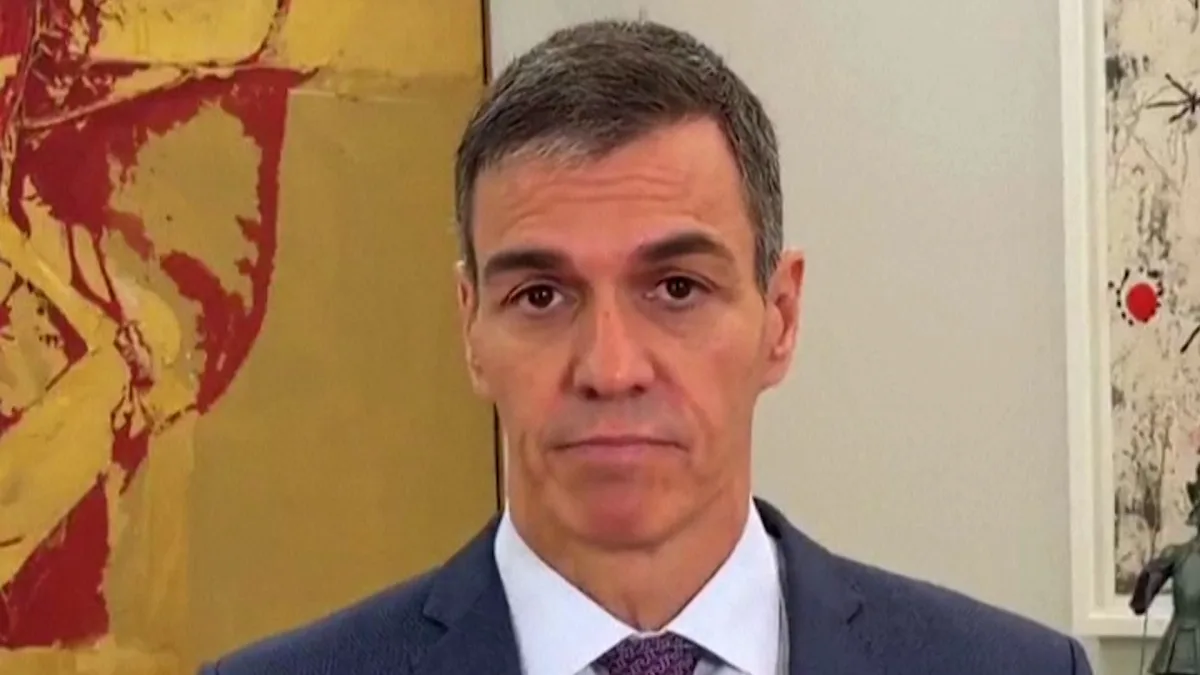
Spanish Prime Minister Pedro Sanchez has defended Spain's decision to boycott the Eurovision Song Contest due to Israel's participation. In a strong statement, Sanchez cited the genocide in Gaza and the 'illegal war' on Lebanon, stating that 'silence is not an option' in the face of such atrocities. He won't stay silent, and it's clear that Spain's government is taking a firm stance.
The boycott has sparked controversy, with some criticizing Spain's decision to politicize the song contest. They don't think it's the right move, and they argue that it's not the best way to address the issues. Yet, Sanchez's government remains firm in its stance, arguing that Israel's actions in Gaza and Lebanon are unacceptable. Sanchez's statement has drawn attention to the humanitarian crisis in Gaza, where thousands of Palestinians have been killed or displaced. It's a dire situation, and the international community can't ignore it.
Sanchez, who has been Spain's Prime Minister since 2018, has been a vocal critic of Israel's policies in the region. His government has consistently called for a two-state solution to the Israeli-Palestinian conflict. The Spanish Prime Minister's decision to boycott Eurovision has been seen as a significant move, given the contest's popularity in Spain. It's a move that shows Spain won't support Israel's actions, and it's a statement that won't go unnoticed.
The Eurovision Song Contest, which is being held in Israel this year, has become a focal point for protests against Israel's treatment of Palestinians. Many artists and musicians have called for a boycott of the contest, citing Israel's human rights record. The boycott has also drawn support from various human rights organizations, who argue that Israel's actions in Gaza and the West Bank are a clear violation of international law. They're speaking out, and they won't stay quiet.
Silence is not an option when it comes to the genocide in Gaza and the illegal war on Lebanon.
- Pedro Sanchez, Spanish Prime Minister
The Spanish government's decision to boycott Eurovision has been met with criticism from some quarters, with some arguing that the move is counterproductive and will only serve to hurt the Palestinian cause. However, Sanchez's government remains committed to its stance, arguing that the international community must take a strong stand against Israel's actions. They're committed to their cause, and they won't back down.
The boycott has also sparked a debate about the role of politics in cultural events like Eurovision. While some argue that the contest should remain apolitical, others see it as an opportunity to raise awareness about important issues like human rights and social justice. As the controversy surrounding the boycott continues to unfold, it's clear that the Eurovision Song Contest has become a battleground for competing ideologies and interests. The debate is ongoing, and it won't be resolved anytime soon.
In the midst of this controversy, Spain is not the only country to have boycotted Eurovision over Israel's participation. Several other countries, including Iceland and Ireland, have also considered boycotting the contest. The boycott has drawn attention to the growing movement of artists and musicians who are using their platforms to speak out against Israel's treatment of Palestinians. They're using their voices, and they won't be silenced.
As the Eurovision Song Contest gets underway, the controversy surrounding the boycott is likely to continue. With Sanchez's government remaining firm in its stance, it's clear that the debate over Israel's participation in the contest is far from over. The international community will be watching closely to see how the situation unfolds, and what implications it may have for the future of the contest. They're watching, and they're waiting to see what happens next.
Key Facts
- Spain has boycotted the Eurovision Song Contest due to Israel's participation
- The boycott is in response to Israel's actions in Gaza and Lebanon
- Spanish Prime Minister Pedro Sanchez has defended the boycott, citing the genocide in Gaza and the 'illegal war' on Lebanon
- The boycott has sparked controversy, with some criticizing Spain's decision to politicize the song contest
- The Eurovision Song Contest is being held in Israel this year
- Several other countries, including Iceland and Ireland, have also considered boycotting the contest
The situation in Gaza and Lebanon remains dire, with thousands of Palestinians killed or displaced. The international community must take a strong stand against Israel's actions, and the boycott of Eurovision is one way to do so. As Sanchez's government continues to face criticism for its decision, it's clear that the controversy surrounding the boycott is far from over. The situation won't improve unless something changes, and it's up to the international community to make a difference.
The Spanish government's decision to boycott the Eurovision Song Contest is a significant move that has sparked controversy and debate. As the situation continues to unfold, it's clear that the international community will be watching closely to see how the situation develops. With the Eurovision Song Contest getting underway, the controversy surrounding the boycott is likely to continue, and it's likely to have implications for the future of the contest. The future is uncertain, and it's hard to predict what will happen next. The controversy won't be resolved soon, and it will likely continue for some time.
The international community will be watching, and they'll be waiting to see what happens next. The situation is complex, and it won't be easy to resolve. But one thing is clear: the boycott of Eurovision has brought attention to the issues in Gaza and Lebanon, and it's sparked a debate that won't be ignored.