

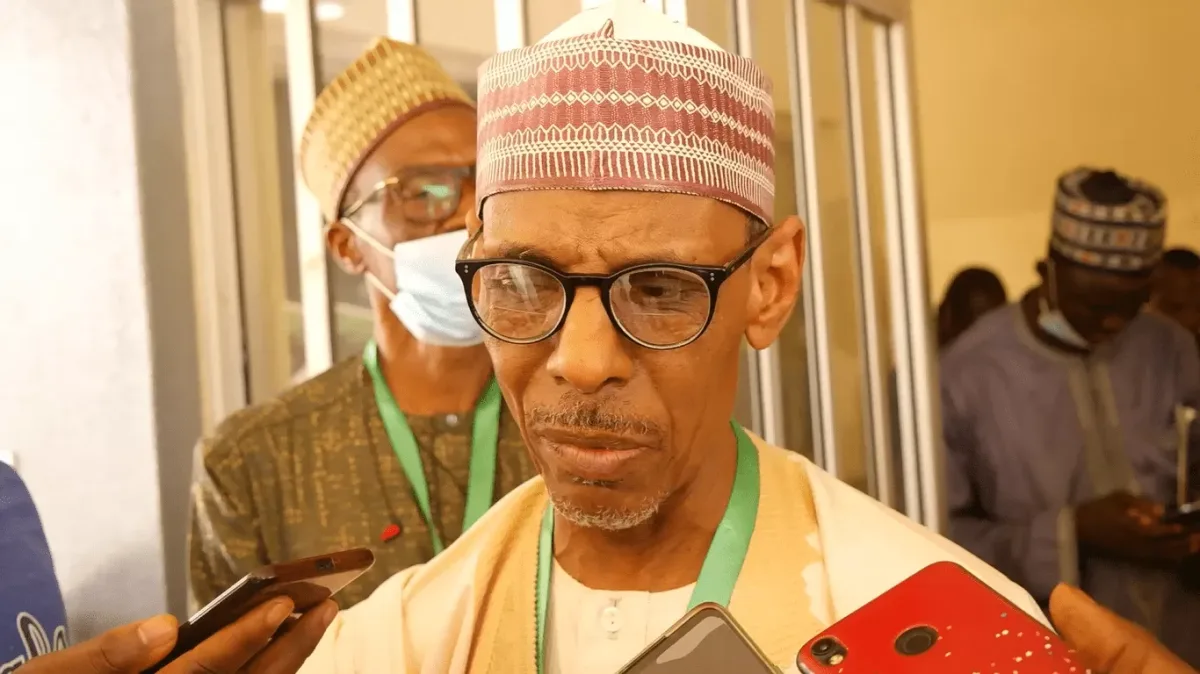
The National Chairman of the People's Redemption Party (PRP), Akeem Baba-Ahmed, has made a striking claim: Nigerian politicians have systematically weakened the nation's democratic culture. In a recent interview on Channels Television, he stated that the behaviour of political actors over time has undermined ideology and accountability in governance. He didn't mince words, saying that politicians have prioritized their own interests over the country's needs.
Akeem Baba-Ahmed is a well-known figure in Nigerian politics, having held various positions in the past. As the National Chairman of the PRP, he's been an outspoken critic of the current state of politics in Nigeria. His statement isn't surprising, given the context of Nigeria's political history. The country has experienced a series of challenges. These include insecurity, economic difficulties, and weak governance outcomes.
They're all interconnected, and it's clear that the country's facing significant problems.
According to Baba-Ahmed, the consequences of this trend are evident in the various challenges facing the country. He noted that insecurity, economic challenges, and weak governance outcomes are all linked to the erosion of political values. "The politicians and the military that governed this country for a very long time, and the transactional politicians we see today, have done more damage to this country than anything else," he said. This statement highlights the severity of the situation. It's clear that the country's political system is in need of reform.
The PRP chairman also discussed the possibility of political realignments ahead of future elections. He confirmed that there had been discussions between the PRP and allies of former Labour Party presidential candidate Peter Obi. However, these talks ended without an agreement. The discussions broke down over issues relating to party structure, ticket considerations, and recognition by the Independent National Electoral Commission. They couldn't come to a consensus, and the talks ultimately failed.
Baba-Ahmed maintained that the situation is reversible, arguing that insecurity and governance failures aren't beyond solution if there's committed leadership. He emphasized that Nigerians have the power to fix the country's problems, stating that "Nigerians made this country insecure and Nigerians can fix it. It's not a miracle." He's optimistic about the country's future, and he believes that Nigerians can make a difference. They don't have to accept the status quo, and they can work towards creating a better future.
The PRP chairman's statement highlights the need for a change in the country's political landscape. With the 2027 elections approaching, opposition parties may still explore coalition arrangements to challenge the ruling All Progressives Congress. This could be a crucial step in addressing the country's challenges and restoring democratic values. It's a significant opportunity for change, and it's essential that Nigerians take advantage of it. They can't afford to miss this chance to create a better future.
The Nigerian political system has undergone significant changes over the years, with various parties emerging and alliances forming. The PRP, in particular, has been a significant player in the country's political scene, with a history dating back to the 1970s. As the country moves forward, it's essential to consider the role of political parties in shaping the nation's future. They're not just organizations; they're instruments of change. They can help to create a better future, or they can perpetuate the status quo.
It's up to Nigerians to decide what they want.
In the context of Nigerian politics, the concept of transactional politics is not new. Many politicians have been accused of prioritizing personal gains over public service. However, Baba-Ahmed's statement serves as a reminder of the need for a more accountable and transparent political system. As the country prepares for the next election cycle, it's crucial to consider the implications of the current political landscape and the role of political actors in shaping the nation's future. They're not just politicians; they're leaders.
They have the power to shape the country's destiny, and they must be held accountable.
The future of Nigerian politics remains uncertain, with various factors at play. However, one thing is clear: the need for a change in the country's political landscape is pressing. As the nation moves forward, it's essential to consider the role of political parties, the implications of transactional politics, and the need for a more accountable and transparent system. Nigerians can't afford to wait; they must take action now. They won't be able to fix all the problems overnight, but they can start working towards a better future.
It's a daunting task, but it's not impossible. With committed leadership and a willingness to change, Nigerians can create a brighter future for themselves.
Key Facts
- Akeem Baba-Ahmed is the National Chairman of the People's Redemption Party (PRP).
- The PRP has been a significant player in Nigerian politics since the 1970s.
- Discussions between the PRP and allies of Peter Obi ended without an agreement.
- The 2027 elections are approaching, with opposition parties considering coalition arrangements.
- Baba-Ahmed argues that insecurity and governance failures aren't beyond solution with committed leadership.