

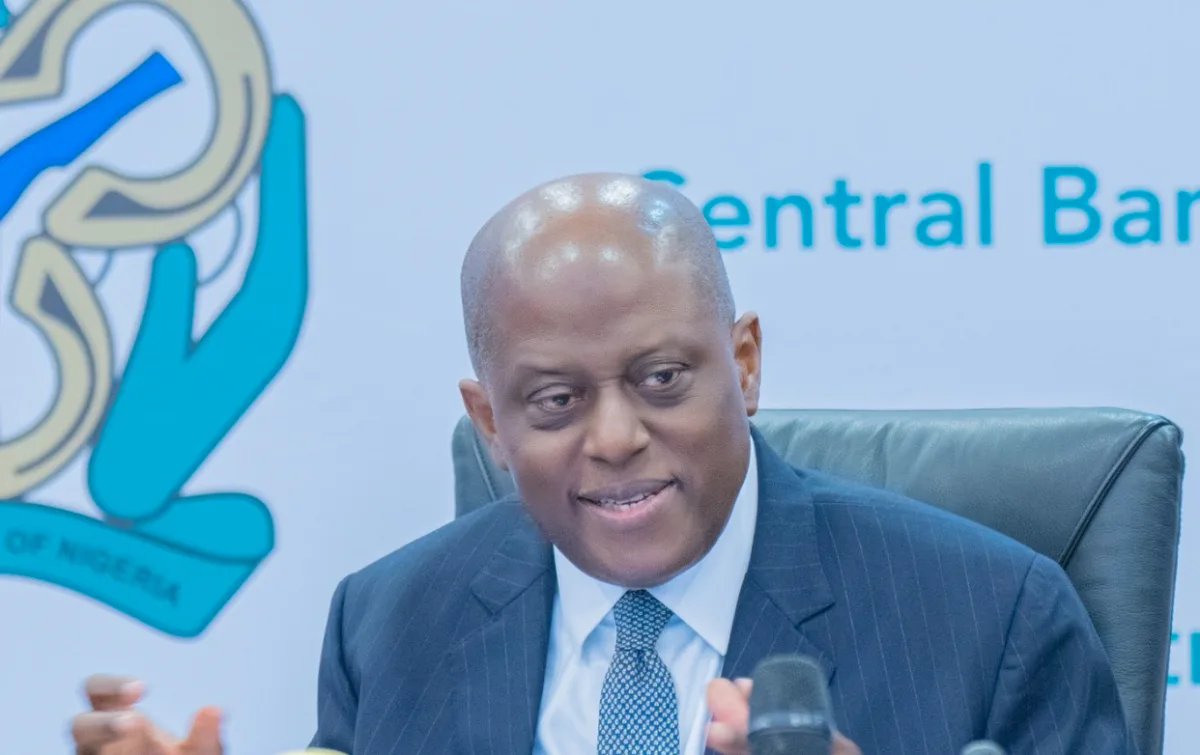
The Central Bank of Nigeria (CBN) has made a decision to retain the monetary policy rate (MPR) at 26.5%. This decision, announced by Olayemi Cardoso, the governor of the apex bank, was made at the end of the committee's 305th meeting in Abuja. It's a move that will have a direct impact on the country's economy. The MPR is the benchmark interest rate in the country, and it influences the interest rates that commercial banks charge their customers.
The CBN's decision to retain the MPR at 26.5% is likely a response to the current economic conditions in the country. External shocks are fuelling inflation, and the bank may be trying to strike a balance between controlling inflation and supporting economic growth. This decision may not be without its challenges, though.
Olayemi Cardoso, the governor of the CBN, has been in the position since his appointment. As the head of the apex bank, Cardoso has been tasked with navigating the country's economy through these uncertain times. He's a seasoned banker with years of experience in the financial sector.
The decision to retain the MPR at 26.5% will likely have far-reaching consequences for the Nigerian economy. It may affect the cost of borrowing for businesses and individuals. It may also impact the overall economic growth of the country. The Nigerian economy has been facing several challenges, including a high inflation rate and a volatile exchange rate.
The CBN's decision to retain the MPR at 26.5% can be seen as a cautious approach to managing the economy. The bank may be trying to avoid making any drastic changes that could further destabilize the economy. However, this decision may not be enough to address the underlying issues facing the economy.
The Nigerian economy continues to evolve, and it's clear that the CBN's decisions will play a significant role in shaping its future. The retention of the MPR at 26.5% is just one of the many decisions that the bank will have to make in the coming months. For now, the focus is on how this decision will impact the average Nigerian.
Olayemi Cardoso, the governor of the CBN, said, 'The monetary policy committee decided to retain the monetary policy rate at 26.5%.' This quote highlights the bank's commitment to managing the economy. The CBN won't reveal its next steps just yet, but it's likely that the bank will continue to monitor the economy closely.
The Nigerian economy's future is uncertain, and it's difficult to predict what's next. The CBN's decisions, including the retention of the MPR at 26.5%, will be crucial in determining the economy's trajectory.
- The CBN retained the MPR at 26.5%.
- The decision was made at the end of the committee's 305th meeting in Abuja.
- Olayemi Cardoso is the governor of the CBN.
- The Nigerian economy is facing challenges such as high inflation and a volatile exchange rate.
- The CBN's decision may impact the cost of borrowing for businesses and individuals.
The CBN's decision to retain the MPR at 26.5% is complex, with many nuances. The bank's decisions will play a significant role in shaping the Nigerian economy's future. For now, the focus is on how this decision will impact the average Nigerian. The CBN's commitment to managing the economy is clear, and it's likely that the bank will continue to take a cautious approach to decision-making.