

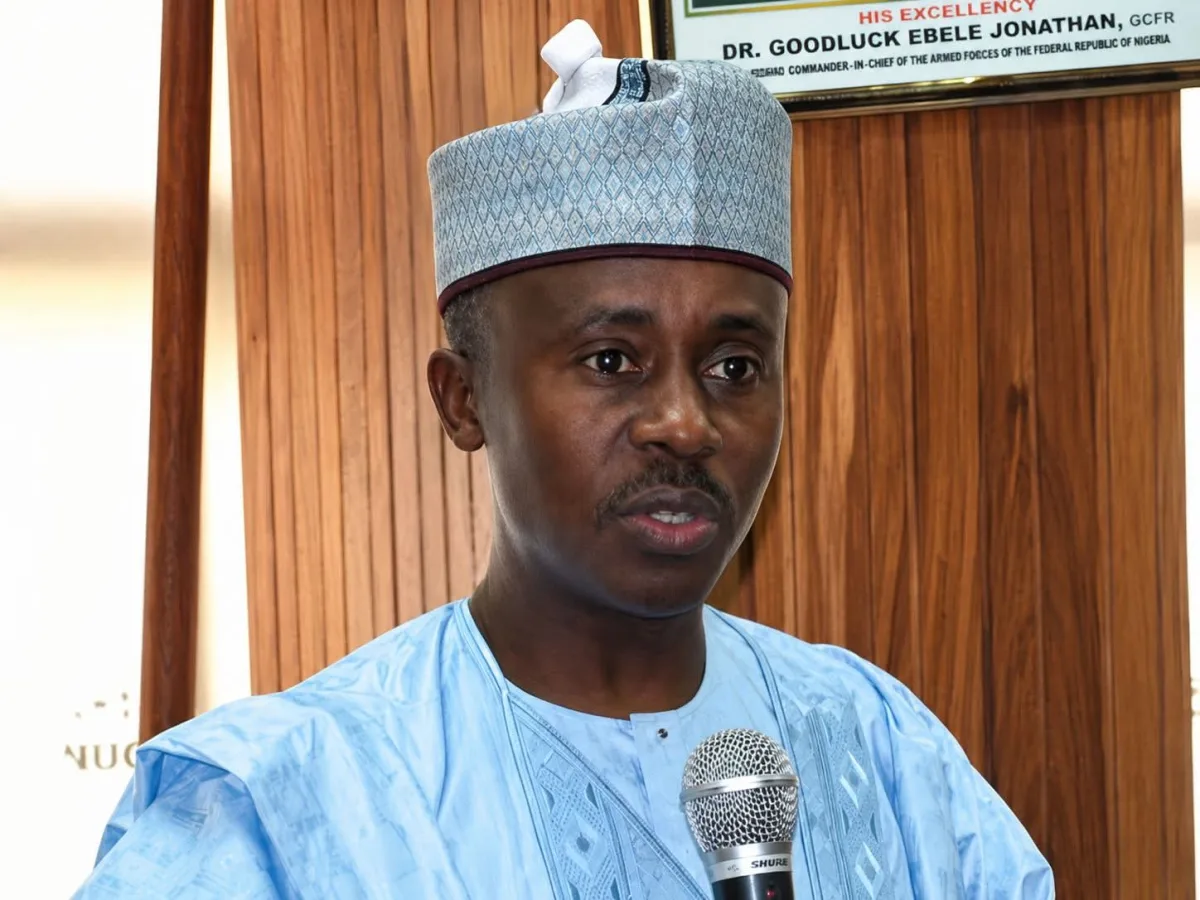
Farouk Lawan, a former Nigerian lawmaker, has lost his bid to return to the House of Representatives. He was defeated in the All Progressives Congress primary election for the Bagwai/Shanono Federal Constituency in Kano State. Lawan doesn't have the support of his party members, which is a significant blow to his political ambitions.
Lawan, who was once a highly influential lawmaker nicknamed “Mr Integrity,” chaired the House of Representatives Ad-hoc Committee investigating the multi-billion naira fuel subsidy fraud in 2012. However, his reputation imploded when billionaire oil magnate Femi Otedola accused him of demanding a $3 million bribe to remove Mr Otedola’s companies from the list of firms indicted for subsidy fraud. He didn't deny the allegations, and it's clear that they had a significant impact on his career.
Lawan was caught on camera accepting a $300,000 cash advance of the bribe. He was later convicted on a three-count charge of corruption and sentenced to seven years in prison by a Federal Capital Territory High Court. The Court of Appeal discharged him on two counts but upheld his conviction on the remaining count, reducing his sentence from seven to five years. It's worth saying that this reduction was a significant development in his case.
The Supreme Court of Nigeria dismissed Mr Lawan’s final appeal for lacking merit, affirming the five-year jail term. He was released in October 2024, having completed his custodial sentence at the Kuje Custodial Centre in Abuja. Under Section 107 of the Nigerian Constitution, convicted individuals are barred from contesting elections for 10 years post-conviction. This rule doesn't allow for exceptions, and it's clear that it was intended to prevent individuals with a history of corruption from seeking public office.
However, Lawan’s political aspirations seemed to have been revived when President Bola Tinubu granted him a presidential pardon in October 2025. The pardon wiped away his legal disqualifications, allowing him to bypass the 10-year election ban. He can now participate in elections, but it's clear that his past actions still have consequences.
“So far, 20 contestants have agreed to consensus arrangements, while only four constituencies proceeded to primary elections,” said Auwalu Soja, the APC spokesperson in Kano. He didn't provide more information about the consensus arrangements, but it's clear that they played a significant role in the primary election.
The APC’s spokesperson in Kano, Auwalu Soja, disclosed the outcome of the exercise in a recorded audio message to journalists in Kano. According to Mr Soja, the party adopted consensus arrangements in 20 federal constituencies. They didn't face any challenges in implementing these arrangements, and it's clear that they were successful. Four constituencies proceeded to primary elections after several aspirants declined to step down. This decision was made by the party members, and it's clear that they had a significant impact on the outcome of the election.
The consensus arrangements enabled most serving lawmakers to secure return tickets. Popular among those returned through consensus are House Leader Alhassan Doguwa, Abubakar Bichi, and Abdulmumin Jibrin, representing Tudun Wada/Doguwa, Kiru Bebeji, and Bichi federal constituencies, respectively. Hamisu Chidari secured the party’s ticket for a third term in the Dambatta Federal Constituency. Mustapha Bala clinched the ticket for the Dawakin Kudu/Warawa Federal Constituency. These individuals are experienced lawmakers, and it's clear that they have the support of their party members.
In the Madobi/Garun Mallam Federal Constituency, Mr Soja said Sulaiman Ishaq also emerged as the party’s candidate. The primary elections were conducted peacefully across the state. “The exercise was conducted in a mature and peaceful manner. There were no security challenges throughout the process,” he stated. It's clear that the party members were satisfied with the outcome of the election.
Lawan’s defeat in the primary election is a significant blow to his political ambitions. Despite being granted a presidential pardon, he was unable to secure the support of his party members. The outcome of the election highlights the challenges faced by individuals with a history of corruption in seeking public office. It's clear that corruption can have long-lasting consequences for individuals seeking public office.
Key Facts
- Farouk Lawan was defeated in the APC primary election for the Bagwai/Shanono Federal Constituency in Kano State.
- He was granted a presidential pardon in October 2025.
- The pardon allowed him to bypass the 10-year election ban imposed by the Nigerian Constitution.
- The APC adopted consensus arrangements in 20 federal constituencies.
- Four constituencies proceeded to primary elections after several aspirants declined to step down.
The outcome of the primary election has significant implications for the political landscape in Kano State. The APC’s decision to adopt consensus arrangements in most constituencies has ensured that most serving lawmakers will return to the House of Representatives. However, the defeat of Farouk Lawan serves as a reminder that a history of corruption can be a significant obstacle to seeking public office. It's clear that corruption can't be ignored, and it's essential to address it through strict enforcement of the law.
As the country prepares for the upcoming general elections, the issue of corruption is likely to remain a major concern for voters. The Nigerian Constitution has strict provisions to prevent individuals with a history of corruption from seeking public office. However, the granting of presidential pardons can sometimes undermine these provisions. It's essential to ensure that the democratic process is fair and transparent, and that the issue of corruption is addressed through strict enforcement of the law.
In the case of Farouk Lawan, his defeat in the primary election suggests that his history of corruption was a significant factor in the decision of his party members. Despite being granted a presidential pardon, he was unable to overcome the stigma of his past actions. The outcome of the election serves as a reminder that corruption can have long-lasting consequences for individuals seeking public office. It's clear that the party members don't want to associate with individuals who have a history of corruption.
The APC’s decision to adopt consensus arrangements in most constituencies has also raised questions about the democratic process in Nigeria. While the arrangements may have ensured that most serving lawmakers will return to the House of Representatives, they may also have limited the opportunities for new candidates to emerge. It's essential to ensure that the democratic process is fair and transparent, and that all candidates have an equal opportunity to participate.
As the country moves forward, it's essential to ensure that the democratic process is fair and transparent. The issue of corruption must be addressed through strict enforcement of the law and the implementation of robust anti-corruption measures. The Nigerian people must be confident that their leaders are committed to upholding the highest standards of integrity and accountability. They won't tolerate corruption, and it's essential to ensure that the government is transparent and accountable.
The defeat of Farouk Lawan in the primary election is a significant development in the political landscape of Kano State. As the country prepares for the upcoming general elections, it's essential to ensure that the democratic process is fair and transparent. The issue of corruption must be addressed through strict enforcement of the law and the implementation of robust anti-corruption measures. The Nigerian people expect their leaders to be honest and transparent, and it's essential to ensure that the government meets these expectations.
The outcome of the primary election in Kano State has significant implications for the political landscape in Nigeria. The defeat of Farouk Lawan serves as a reminder that a history of corruption can be a significant obstacle to seeking public office. As the country moves forward, it's essential to ensure that the democratic process is fair and transparent, and that the issue of corruption is addressed through strict enforcement of the law and the implementation of robust anti-corruption measures. The Nigerian people won't accept anything less, and it's essential to ensure that the government is committed to upholding the highest standards of integrity and accountability.