


The world is watching as global tensions escalate, and the recent strikes against Iran have sent shockwaves through the economy. On February 28, the United States and Israel launched a series of attacks against Iranian targets, leading to a significant increase in global oil prices. As a result, Australia's central bank has been forced to hike its key interest rate to combat rising inflation and stabilize the economy. This decision has far-reaching implications for Australian consumers and businesses, who are already feeling the pinch of higher fuel prices. The interest rate hike is expected to affect borrowing costs, making it more expensive for people to take out loans or mortgages.
The situation in the Middle East is complex and volatile, with multiple countries involved in the conflict. The US and Israel have been vocal about their opposition to Iran's nuclear program, while Iran has maintained that its program is for peaceful purposes. The recent strikes have raised concerns about the potential for further escalation and the impact on global oil supplies. As the situation continues to unfold, countries around the world are bracing themselves for the economic fallout. Australia, as a major oil importer, is particularly vulnerable to changes in global oil prices.
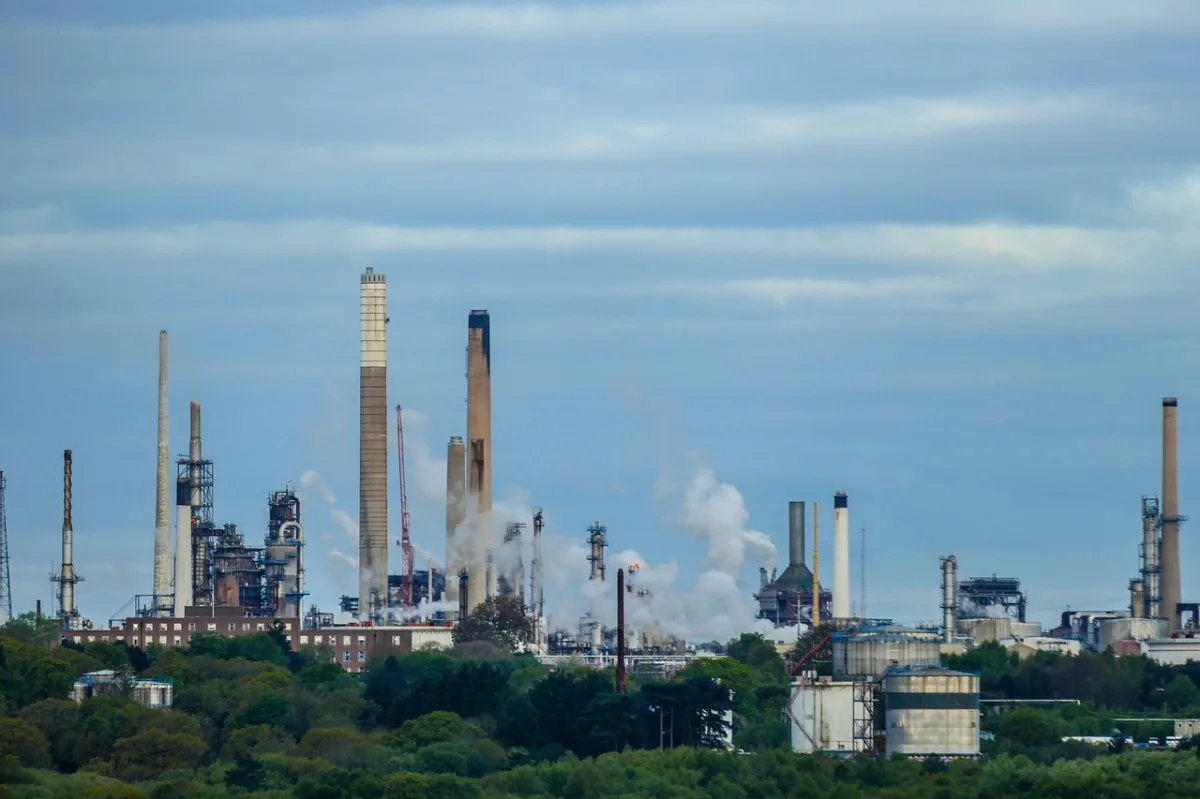
The country's central bank has been closely monitoring the situation and has taken proactive steps to mitigate the effects of rising fuel prices.
The interest rate hike is just one of the measures being taken to address the economic challenges posed by the conflict. The Australian government has also announced plans to increase funding for renewable energy projects and improve energy efficiency. These initiatives aim to reduce the country's reliance on fossil fuels and minimize the impact of rising oil prices on the economy. However, the situation remains uncertain, and the government is preparing for all possible scenarios. The conflict in the Middle East has already led to a significant increase in oil prices, and further escalation could lead to even higher prices and more severe economic disruption.
The Australian economy is not the only one affected by the conflict. Countries around the world are feeling the impact of rising oil prices, from the United States to Europe and Asia. The global economy is highly interconnected, and events in one part of the world can have far-reaching consequences. The conflict in the Middle East has highlighted the importance of diversifying energy sources and reducing reliance on fossil fuels. As the world moves towards a more sustainable energy future, the current situation serves as a reminder of the need for urgent action.
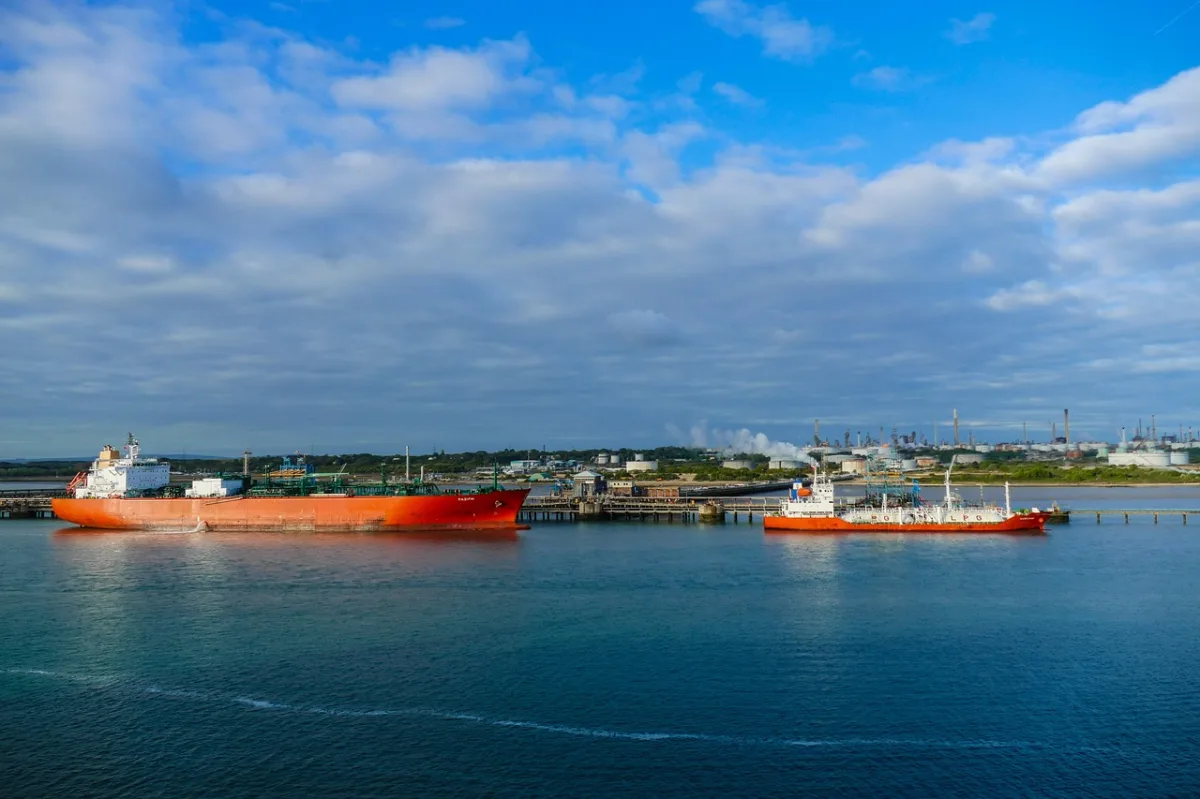
The Australian government's plans to increase funding for renewable energy projects are a step in the right direction, but more needs to be done to address the scale and complexity of the challenge.
Key Facts
- The US and Israel launched strikes against Iran on February 28
- Global oil prices have surged since the strikes
- Australia's central bank has increased its key interest rate to combat rising inflation
- The interest rate hike aims to stabilize the economy and curb inflation
- The Australian government has announced plans to increase funding for renewable energy projects
- The conflict in the Middle East has raised concerns about the potential for further escalation
- The situation has highlighted the importance of diversifying energy sources and reducing reliance on fossil fuels
- The global economy is highly interconnected, and events in one part of the world can have far-reaching consequences
Background to the Conflict
The conflict in the Middle East has a long and complex history, with multiple countries involved. The US and Israel have been vocal about their opposition to Iran's nuclear program, while Iran has maintained that its program is for peaceful purposes. The recent strikes have raised concerns about the potential for further escalation and the impact on global oil supplies. The Middle East is a critical region for global oil production, and any disruption to supplies can have significant economic consequences. The conflict has also highlighted the importance of diplomacy and international cooperation in resolving disputes and preventing further escalation.
The US and Israel have been accused of taking a confrontational approach to the conflict, while Iran has been accused of being secretive about its nuclear program. The situation is further complicated by the involvement of other countries, including Russia and China, which have their own interests and agendas in the region. The conflict has also raised concerns about the potential for cyberattacks and other forms of retaliation. As the situation continues to unfold, it is clear that a diplomatic solution is needed to prevent further escalation and promote stability in the region.
The Australian government has been careful not to take sides in the conflict, instead focusing on the economic implications for the country. The interest rate hike is a pragmatic response to the rising fuel prices, and the plans to increase funding for renewable energy projects are a step towards reducing the country's reliance on fossil fuels. However, the situation remains uncertain, and the government is preparing for all possible scenarios. The conflict in the Middle East has highlighted the importance of diversifying energy sources and reducing reliance on fossil fuels, and the Australian government's response is a reflection of this reality.
Economic Implications
The economic implications of the conflict are far-reaching and complex. The rise in oil prices has already led to higher fuel costs for consumers and businesses, and the interest rate hike is expected to affect borrowing costs. The Australian economy is highly dependent on international trade, and any disruption to global oil supplies can have significant consequences. The government's plans to increase funding for renewable energy projects are a step towards reducing the country's reliance on fossil fuels, but more needs to be done to address the scale and complexity of the challenge.
The conflict has also highlighted the importance of energy security and the need for countries to diversify their energy sources. The Australian government's response to the crisis has been pragmatic, but it is clear that more needs to be done to address the underlying issues. The interest rate hike is a short-term solution to the economic challenges posed by the conflict, but it is not a long-term solution to the problem of rising fuel prices. The government needs to take a more comprehensive approach to energy policy, including increasing funding for renewable energy projects and improving energy efficiency.
The economic implications of the conflict are not limited to Australia. Countries around the world are feeling the impact of rising oil prices, from the United States to Europe and Asia. The global economy is highly interconnected, and events in one part of the world can have far-reaching consequences. The conflict in the Middle East has highlighted the importance of international cooperation and diplomacy in resolving disputes and preventing further escalation. The Australian government's response to the crisis is a reflection of this reality, and it is clear that more needs to be done to address the scale and complexity of the challenge.
The Role of Diplomacy
Diplomacy has a critical role to play in resolving the conflict and preventing further escalation. The US and Israel have been accused of taking a confrontational approach to the conflict, while Iran has been accused of being secretive about its nuclear program. The situation is further complicated by the involvement of other countries, including Russia and China, which have their own interests and agendas in the region. The conflict has also raised concerns about the potential for cyberattacks and other forms of retaliation.
The situation in the Middle East is a reminder that diplomacy is not just about talking, but about listening and understanding the perspectives of all parties involved. It requires a deep understanding of the complexities of the conflict and a willingness to engage in constructive dialogue. The Australian government's response to the crisis has been pragmatic, but it is clear that more needs to be done to address the underlying issues.
The conflict in the Middle East has highlighted the importance of international cooperation and diplomacy in resolving disputes and preventing further escalation. The Australian government's plans to increase funding for renewable energy projects are a step towards reducing the country's reliance on fossil fuels, but more needs to be done to address the scale and complexity of the challenge. The situation is a reminder that diplomacy is not just about talking, but about listening and understanding the perspectives of all parties involved. It requires a deep understanding of the complexities of the conflict and a willingness to engage in constructive dialogue.
The Future of Energy
The conflict in the Middle East has highlighted the importance of diversifying energy sources and reducing reliance on fossil fuels. The Australian government's plans to increase funding for renewable energy projects are a step towards a more sustainable energy future. However, the situation is complex, and more needs to be done to address the scale and complexity of the challenge. The conflict has also raised concerns about the potential for cyberattacks and other forms of retaliation, and the need for countries to improve their energy security.
The future of energy is uncertain, but it is clear that the world needs to move towards a more sustainable and secure energy system. The conflict in the Middle East has highlighted the importance of international cooperation and diplomacy in resolving disputes and preventing further escalation. The Australian government's response to the crisis has been pragmatic, but it is clear that more needs to be done to address the underlying issues. The situation is a reminder that the world needs to work together to address the challenges of energy security and sustainability.
The conflict in the Middle East has also raised concerns about the potential for climate change and the need for countries to reduce their greenhouse gas emissions. The Australian government's plans to increase funding for renewable energy projects are a step towards a more sustainable energy future, but more needs to be done to address the scale and complexity of the challenge. The situation is complex, and it requires a comprehensive approach to energy policy, including increasing funding for renewable energy projects, improving energy efficiency, and reducing greenhouse gas emissions.
Conclusion
The conflict in the Middle East has highlighted the importance of international cooperation and diplomacy in resolving disputes and preventing further escalation. The Australian government's response to the crisis has been pragmatic, but it is clear that more needs to be done to address the underlying issues. The situation is complex, and it requires a comprehensive approach to energy policy, including increasing funding for renewable energy projects, improving energy efficiency, and reducing greenhouse gas emissions. The conflict has also raised concerns about the potential for cyberattacks and other forms of retaliation, and the need for countries to improve their energy security.
The future of energy is uncertain, but it is clear that the world needs to move towards a more sustainable and secure energy system. The conflict in the Middle East has highlighted the importance of diversifying energy sources and reducing reliance on fossil fuels. The Australian government's plans to increase funding for renewable energy projects are a step towards a more sustainable energy future, but more needs to be done to address the scale and complexity of the challenge. The situation is a reminder that the world needs to work together to address the challenges of energy security and sustainability.
The conflict in the Middle East has also raised concerns about the potential for climate change and the need for countries to reduce their greenhouse gas emissions. The Australian government's plans to increase funding for renewable energy projects are a step towards a more sustainable energy future, but more needs to be done to address the scale and complexity of the challenge. The situation is complex, and it requires a comprehensive approach to energy policy, including increasing funding for renewable energy projects, improving energy efficiency, and reducing greenhouse gas emissions. The world needs to work together to address the challenges of energy security and sustainability, and to create a more sustainable and secure energy system for the future.