

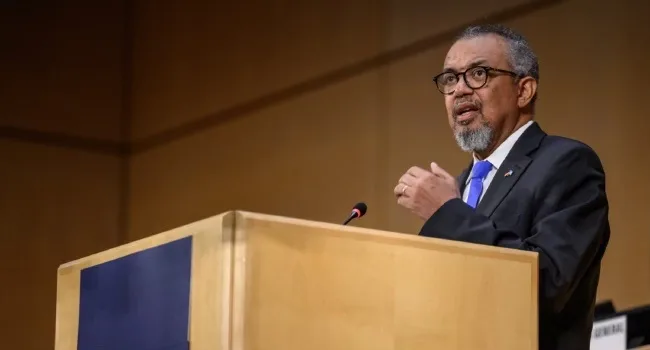
The World Health Organization's annual assembly has kicked off in Geneva, with the global health community gathered to discuss the latest outbreaks of hantavirus and Ebola. The meeting, which runs through Saturday, comes amid uncertainty over the US and Argentina's withdrawals from the organization.
The hantavirus outbreak on a cruise ship has gripped global attention, and while it's not officially on the agenda, it's expected to feature prominently in discussions. This outbreak has raised concerns about the ability of the global health community to respond to emerging health crises.
“From conflicts to economic crises to climate change and aid cuts, we live in difficult, dangerous, and divisive times,” said United Nations chief Antonio Guterres in a video address to the assembly.
The meeting also comes after a difficult year for the WHO, which has been weakened by the announced US withdrawal and deep funding cuts. The organization's budget has been reduced by around 21 percent, or nearly one billion dollars, and hundreds of jobs have been eliminated.
Surie Moon, co-director of the Global Health Centre at the Geneva Graduate Institute, noted that the WHO had weathered the storm, but the situation is still fragile. “They've been successful in mobilising most of the funds required for the next two years,” she added.
The assembly will also discuss the withdrawal of the US and Argentina from the organization. US President Donald Trump handed in a one-year notice to withdraw from the WHO in January 2025, and Argentina soon followed suit. However, the WHO hasn't confirmed either withdrawal, and it's unclear what, if anything, would be decided on the matter.
The WHO's constitution doesn't include a withdrawal clause, and the organization hasn't confirmed whether the US and Argentina have officially withdrawn. The US reserved the right to withdraw when it joined the WHO in 1948, on condition of giving one year's notice and meeting its financial obligations in full for that fiscal year.
However, the notice period has expired, and Washington hasn't paid its 2024 or 2025 dues, owing around $260 million. This has raised concerns about the impact of the withdrawal on the organization's ability to respond to global health crises.
The assembly will also see the launch of the process towards next year's election of a new WHO chief. No one has yet declared their candidacy, but announcements are possible this week ahead of the nomination deadline of September 24.
Ghana President John Dramani Mahama told the assembly that the world health architecture is changing rapidly, and that the global health community must have the courage to build the next era. “Six years after the last global pandemic, Covid-19, the world health architecture is changing rapidly,” he said. “We're witnessing the end of an era. We must have the courage to build the next one.”
The World Health Organization's annual assembly has begun in Geneva. The hantavirus outbreak on a cruise ship and the latest Ebola outbreak in the Democratic Republic of Congo are high on the agenda. The meeting comes amid uncertainty over the US and Argentina's withdrawals from the organization. The WHO's budget has been reduced by around 21 percent, or nearly one billion dollars. The organization hasn't confirmed whether the US and Argentina have officially withdrawn.
The assembly will also discuss the launch of the process towards next year's election of a new WHO chief.
The outcome of the assembly will be closely watched, as the global health community looks to the WHO to lead the response to emerging health crises. The organization's ability to respond to outbreaks like hantavirus and Ebola will be crucial in the coming years. The assembly will provide a key opportunity for the global health community to come together and discuss the way forward.
As the assembly continues, it's clear that the WHO faces significant challenges in the coming years. The organization must navigate the complex landscape of global health, and find a way to respond to emerging crises while also addressing the long-term challenges of climate change, economic inequality, and social injustice.
But for now, the focus is on the immediate challenges posed by the hantavirus and Ebola outbreaks. The global health community will be watching closely as the assembly continues, and looking for signs of how the WHO will respond to these emerging crises.
The outcome of the assembly will be crucial in determining the way forward for the WHO, and the organization's ability to respond to hantavirus and Ebola will be a key test of its ability to lead the global health community. The WHO has a long history of responding to health crises, and it's well-placed to lead the response to hantavirus and Ebola.
The assembly provides a key opportunity for the global health community to come together and discuss the way forward. It's clear that the WHO will be at the forefront of the response to hantavirus and Ebola, and the organization's ability to respond to these outbreaks will be crucial in the coming years.
As the global health community looks to the future, it's clear that the WHO will play a crucial role in responding to emerging health crises. The organization has a long history of responding to outbreaks, and it's well-placed to lead the response to hantavirus and Ebola.
But the WHO also faces significant challenges, including the impact of the US and Argentina's withdrawals, and the need to navigate the complex landscape of global health. The organization must find a way to balance the competing demands of different countries and stakeholders, while also addressing the long-term challenges of global health.
This won't be easy, but the WHO has a crucial role to play in responding to emerging health crises. The assembly provides a key opportunity for the global health community to come together and discuss the way forward, and it's clear that the WHO will be at the forefront of the response to hantavirus and Ebola.
As the assembly continues, it's clear that the WHO faces significant challenges in the coming years. The organization must navigate the complex landscape of global health, and find a way to respond to emerging crises while also addressing the long-term challenges of climate change, economic inequality, and social injustice.
But for now, the focus is on the immediate challenges posed by the hantavirus and Ebola outbreaks. The global health community will be watching closely as the assembly continues, and looking for signs of how the WHO will respond to these emerging crises.
The outcome of the assembly will be closely watched, as the global health community looks to the WHO to lead the response to emerging health crises. The organization's ability to respond to outbreaks like hantavirus and Ebola will be crucial in the coming years, and the assembly will provide a key opportunity for the global health community to come together and discuss the way forward.
The WHO has a crucial role to play in responding to emerging health crises. The organization has a long history of responding to outbreaks, and it's well-placed to lead the response to hantavirus and Ebola.
However, the WHO also faces significant challenges, including the impact of the US and Argentina's withdrawals, and the need to navigate the complex landscape of global health. The organization must find a way to balance the competing demands of different countries and stakeholders, while also addressing the long-term challenges of global health.
This won't be easy, but the WHO has a crucial role to play in responding to emerging health crises. The assembly provides a key opportunity for the global health community to come together and discuss the way forward, and it's clear that the WHO will be at the forefront of the response to hantavirus and Ebola.
As the global health community looks to the future, it's clear that the WHO will play a crucial role in responding to emerging health crises. The organization has a long history of responding to outbreaks, and it's well-placed to lead the response to hantavirus and Ebola.
But the WHO also faces significant challenges, including the impact of the US and Argentina's withdrawals, and the need to navigate the complex landscape of global health. The organization must find a way to balance the competing demands of different countries and stakeholders, while also addressing the long-term challenges of global health.
The assembly will provide a key opportunity for the global health community to come together and discuss the way forward. It's clear that the WHO will be at the forefront of the response to hantavirus and Ebola, and the organization's ability to respond to these outbreaks will be crucial in the coming years.
The global health community will be watching closely as the assembly continues, and looking for signs of how the WHO will respond to these emerging crises. The outcome of the assembly will be crucial in determining the way forward for the WHO, and the organization's ability to respond to hantavirus and Ebola will be a key test of its ability to lead the global health community.
In the end, the success of the WHO in responding to these outbreaks will depend on its ability to bring together the global health community and coordinate a response. The organization has a long history of responding to health crises, and it's well-placed to lead the response to hantavirus and Ebola.
The assembly provides a key opportunity for the global health community to come together and discuss the way forward. It's clear that the WHO will be at the forefront of the response to hantavirus and Ebola, and the organization's ability to respond to these outbreaks will be crucial in the coming years.
As the assembly continues, it's clear that the WHO faces significant challenges in the coming years. The organization must navigate the complex landscape of global health, and find a way to respond to emerging crises while also addressing the long-term challenges of climate change, economic inequality, and social injustice.
But for now, the focus is on the immediate challenges posed by the hantavirus and Ebola outbreaks. The global health community will be watching closely as the assembly continues, and looking for signs of how the WHO will respond to these emerging crises.
The outcome of the assembly will be closely watched, as the global health community looks to the WHO to lead the response to emerging health crises. The organization's ability to respond to outbreaks like hantavirus and Ebola will be crucial in the coming years, and the assembly will provide a key opportunity for the global health community to come together and discuss the way forward.
The WHO has a crucial role to play in responding to emerging health crises. The organization has a long history of responding to outbreaks, and it's well-placed to lead the response to hantavirus and Ebola.
However, the WHO also faces significant challenges, including the impact of the US and Argentina's withdrawals, and the need to navigate the complex landscape of global health. The organization must find a way to balance the competing demands of different countries and stakeholders, while also addressing the long-term challenges of global health.
This won't be easy, but the WHO has a crucial role to play in responding to emerging health crises. The assembly provides a key opportunity for the global health community to come together and discuss the way forward, and it's clear that the WHO will be at the forefront of the response to hantavirus and Ebola.
As the global health community looks to the future, it's clear that the WHO will play a crucial role in responding to emerging health crises. The organization has a long history of responding to outbreaks, and it's well-placed to lead the response to hantavirus and Ebola.
But the WHO also faces significant challenges, including the impact of the US and Argentina's withdrawals, and the need to navigate the complex landscape of global health. The organization must find a way to balance the competing demands of different countries and stakeholders, while also addressing the long-term challenges of global health.
The assembly will provide a key opportunity for the global health community to come together and discuss the way forward. It's clear that the WHO will be at the forefront of the response to hantavirus and Ebola, and the organization's ability to respond to these outbreaks will be crucial in the coming years.
The global health community will be watching closely as the assembly continues, and looking for signs of how the WHO will respond to these emerging crises. The outcome of the assembly will be crucial in determining the way forward for the WHO, and the organization's ability to respond to hantavirus and Ebola will be a key test of its ability to lead the global health community.
In the end, the success of the WHO in responding to these outbreaks will depend on its ability to bring together the global health community and coordinate a response. The organization has a long history of responding to health crises, and it's well-placed to lead the response to hantavirus and Ebola.
The assembly provides a key opportunity for the global health community to come together and discuss the way forward. It's clear that the WHO will be at the forefront of the response to hantavirus and Ebola, and the organization's ability to respond to these outbreaks will be crucial in the coming years.
As the assembly continues, it's clear that the WHO faces significant challenges in the coming years. The organization must navigate the complex landscape of global health, and find a way to respond to emerging crises while also addressing the long-term challenges of climate change, economic inequality, and social injustice.
But for now, the focus is on the immediate challenges posed by the hantavirus and Ebola outbreaks. The global health community will be watching closely as the assembly continues, and looking for signs of how the WHO will respond to these emerging crises.
The outcome of the assembly will be closely watched, as the global health community looks to the WHO to lead the response to emerging health crises. The organization's ability to respond to outbreaks like hantavirus and Ebola will be crucial in the coming years, and the assembly will provide a key opportunity for the global health community to come together and discuss the way forward.
The WHO has a crucial role to play in responding to emerging health crises. The organization has a long history of responding to outbreaks, and it's well-placed to lead the response to hantavirus and Ebola.
However, the WHO also faces significant challenges, including the impact of the US and Argentina's withdrawals, and the need to navigate the complex landscape of global health. The organization must find a way to balance the competing demands of different countries and stakeholders, while also addressing the long-term challenges of global health.
This won't be easy, but the WHO has a crucial role to play in responding to emerging health crises. The assembly provides a key opportunity for the global health community to come together and discuss the way forward, and it's clear that the WHO will be at the forefront of the response to hantavirus and Ebola.
As the global health community looks to the future, it's clear that the WHO will play a crucial role in responding to emerging health crises. The organization has a long history of responding to outbreaks, and it's well-placed to lead the response to hantavirus and Ebola.
But the WHO also faces significant challenges, including the impact of the US and Argentina's withdrawals, and the need to navigate the complex landscape of global health. The organization must find a way to balance the competing demands of different countries and stakeholders, while also addressing the long-term challenges of global health.
The assembly will provide a key opportunity for the global health community to come together and discuss the way forward. It's clear that the WHO will be at the forefront of the response to hantavirus and Ebola, and the organization's ability to respond to these outbreaks will be crucial in the coming years.
The global health community will be watching closely as the assembly continues, and looking for signs of how the WHO will respond to these emerging crises. The outcome of the assembly will be crucial in determining the way forward for the WHO, and the organization's ability to respond to hantavirus and Ebola will be a key test of its ability to lead the global health community.
In the end, the success of the WHO in responding to these outbreaks will depend on its ability to bring together the global health community and coordinate a response. The organization has a long history of responding to health crises, and it's well-placed to lead the response to hantavirus and Ebola.
The assembly provides a key opportunity for the global health community to come together and discuss the way forward. It's clear that the WHO will be at the forefront of the response to hantavirus and Ebola, and the organization's ability to respond to these outbreaks will be crucial in the coming years.
As the assembly continues, it's clear that the WHO faces significant challenges in the coming years. The organization must navigate the complex landscape of global health, and find a way to respond to emerging crises while also addressing the long-term challenges of climate change, economic inequality, and social injustice.
But for now, the focus is on the immediate challenges posed by the hantavirus and Ebola outbreaks. The global health community will be watching closely as the assembly continues, and looking for signs of how the WHO will respond to these emerging crises.
The outcome of the assembly will be closely watched, as the global health community looks to the WHO to lead the response to emerging health crises. The organization's ability to respond to outbreaks like hantavirus and Ebola will be crucial in the coming years, and the assembly will provide a key opportunity for the global health community to come together and discuss the way forward.
The WHO has a crucial role to play in responding to emerging health crises. The organization has a long history of responding to outbreaks, and it's well-placed to lead the response to hantavirus and Ebola.
However, the WHO also faces significant challenges, including the impact of the US and Argentina's withdrawals, and the need to navigate the complex landscape of global health. The organization must find a way to balance the competing demands of different countries and stakeholders, while also addressing the long-term challenges of global health.
This won't be easy, but the WHO has a crucial role to play in responding to emerging health crises. The assembly provides a key opportunity for the global health community to come together and discuss the way forward, and it's clear that the WHO will be at the forefront of the response to hantavirus and Ebola.
As the global health community looks to the future, it's clear that the WHO will play a crucial role in responding to emerging health crises. The organization has a long history of responding to outbreaks, and it's well-placed to lead the response to hantavirus and Ebola.
But the WHO also faces significant challenges, including the impact of the US and Argentina's withdrawals, and the need to navigate the complex landscape of global health. The organization must find a way to balance the competing demands of different countries and stakeholders, while also addressing the long-term challenges of global health.
The assembly will provide a key opportunity for the global health community to come together and discuss the way forward. It's clear that the WHO will be at the forefront of the response to hantavirus and Ebola, and the organization's ability to respond to these outbreaks will be crucial in the coming years.
The global health community will be watching closely as the assembly continues, and looking for signs of how the WHO will respond to these emerging crises. The outcome of the assembly will be crucial in determining the way forward for the WHO, and the organization's ability to respond to hantavirus and Ebola will be a key test of its ability to lead the global health community.
In the end, the success of the WHO in responding to these outbreaks will depend on its ability to bring together the global health community and coordinate a response. The organization has a long history of responding to health crises, and it's well-placed to lead the response to hantavirus and Ebola.