

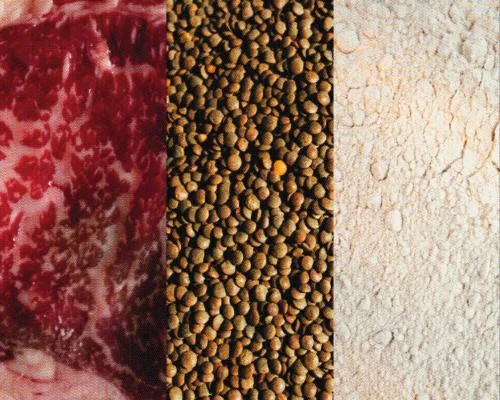
You're not alone if you think you're not getting enough protein. In fact, a 2024 survey of 3,000 Americans suggests most are trying to eat more of it. Debbie Fetter, an associate professor in nutrition at the University of California, Davis, says that in a lecture hall of more than 500 people, almost every hand shoots up when she asks if they think they're not getting enough protein. This widespread concern isn't surprising, given that protein is essential for building and repairing tissues.
Protein is also necessary for making enzymes, hormones, and disease-fighting antibodies. It's made up of smaller units called amino acids. The human body uses 20 amino acids to function; it can make 11, and the other 9 must be obtained from food. New US dietary guidelines recommend that adults consume 1.2-1.6g of protein per kilogram of body weight per day, up from the previous recommendation of 0.8 grams per kilogram of body weight per day. This change reflects a better understanding of protein's role in overall health.
Andrea Glenn, an assistant professor of nutrition at New York University, advises that people should aim to get a variety of protein sources in their diet. She emphasizes that it's best to get protein from whole foods rather than ultra-processed foods. Trying to consume as much protein as possible doesn't automatically result in more muscle or lean body mass, says Fetter. Insufficient protein can cause muscle mass loss, anemia, and slower metabolism. Overconsumption can put strain on the kidneys, says Nicole Stob, an assistant teaching professor of integrative physiology at the University of Colorado, Boulder.
She notes that finding a balance is key to maintaining good health.
Beef is a nutrient-dense, complete protein. A complete protein is one that supplies all of the amino acids the human body can't make on its own. Meats and tofu are all complete proteins. Some research suggests that eating moderate portions of lean beef as part of a healthy diet may not increase heart disease risk, while still providing protein, omega-3 fatty acids, vitamin B12, niacin, zinc, and iron. However, one of the primary concerns with beef is the potential high cholesterol and saturated fat content.
The Cleveland Clinic notes that while there's no official recommendation on how much red meat is fine to eat, sticking with smaller portions is likely best. This approach can help minimize the risks associated with beef consumption.
Pork is another source of protein. The protein content of pork depends on how it is prepared. According to the USDA, ham contains 19g of protein per 100 grams, while pork chops contain 26.6g of protein per 100 grams. Fresh pork is a high-quality, low-cost protein, rich in B-complex vitamins and essential minerals like zinc and iron. A 2025 study on intense exercise found that eating lean pork protein after training, compared with plant protein, can help with muscle soreness and inflammation, likely because pork contains more creatine and amino acids.
This makes pork a good option for athletes or individuals who engage in regular physical activity.
Chicken is also a good source of protein. Depending on the cut, cooked chicken can generally contain 23-31g of protein per 100g. The protein amounts of chicken and other animal meats are comparable. A 2023 Purdue University study suggests that lean, unprocessed chicken is a healthy protein source, providing essential nutrients like potassium, iron, and B-group vitamins. However, the nutritional value of chicken can depend on how it's prepared.
While lean, unprocessed chicken is healthy, processed chicken may be high in sodium. It's essential to consider the preparation method when choosing chicken as a protein source.
Fish is another important protein source. Johns Hopkins Medicine data suggests 1oz of fish contains about 7g of protein. However, there are small differences among species. According to USDA data, one fillet of raw tilapia contains about 23.3g of protein, while one fillet of raw cod contains 17.7g. Fish is a good source of omega-3 fatty acids, vitamin D, B12, iodine, selenium, potassium, and lean protein.
Compared with other animal meats, fish also tends to have less saturated fat. Adults should eat about two to three servings of fish per week because of all the associated nutrients, according to the FDA and the American Heart Association. This recommendation can help individuals reap the benefits of fish consumption.
Eggs are a nutrient-dense source of energy from protein, fat, and several B vitamins. Eggs contain about the same amount of protein whether or not they are cooked. The egg yolk within a large egg contains about 2.7g of protein. The egg white of a large egg has about 3.6g of protein. Egg protein supports skeletal muscle health and can also decrease appetite.
However, a large egg yolk can have about 186mg of cholesterol, which is why some experts recommend moderate to low egg consumption. It's crucial to consider the cholesterol content when deciding how many eggs to eat.
Beans are a healthy food that can reduce the risk of conditions like heart disease, diabetes, and some cancers. A half cup of kidney beans, for example, contains about 8g of protein; the same amount of refried beans contains 6g. Unlike animal protein, beans are incomplete proteins because they lack or are low in the amino acids people must get from food. However, combining them with grains creates a complete protein, says Stob. Beans' high fiber content is particularly helpful: fiber is linked to lowering cholesterol and blood sugar, preventing constipation, and managing weight.
This makes beans a great option for individuals looking to improve their overall health.
Lentils are a source of manganese, potassium, iron, fiber, and folate. Like beans, lentils contain plant chemicals called polyphenols that have antioxidant benefits and are linked to reduced blood pressure. They are also lower in calories than animal proteins and don't contain saturated fat. Scientists have found a link between eating lentils and a reduced incidence of diabetes, obesity, certain tumors, and cardiovascular diseases. Some research suggests eating lentils can increase fullness and support weight management.
This makes lentils a good choice for individuals trying to lose weight or maintain a healthy weight.
Tofu is a complete protein, rich in B vitamins, fiber, potassium, magnesium, and protein. When calcium sulfate is used as a coagulant in tofu, it becomes a good source of calcium. Tofu also contains natural plant compounds, including isoflavones, which are structurally similar to estrogen. A 2020 study found that higher intake of isoflavones and tofu was associated with a moderately lower risk of coronary heart disease. Other research suggests tofu consumption is associated with a lower risk of osteoporosis and breast cancer.
This makes tofu a great option for individuals looking to reduce their risk of these diseases.
Protein powders are made from different sources of protein, including whey, egg, and pea. A serving of protein powder contains about 20-25g of protein, according to the Mayo Clinic. The FDA doesn't regulate dietary supplements, including protein powders. It's possible that the ingredients listed on the label aren't in the product. Fetter recommends choosing products that have been through third-party testing. This can help ensure that the protein powder is safe and effective.
"People should aim to get a variety of protein sources in their diet," says Andrea Glenn, an assistant professor of nutrition at New York University.
Key Facts
- Beef is a nutrient-dense, complete protein.
- Pork is a high-quality, low-cost protein.
- Chicken is a healthy protein source, providing essential nutrients like potassium, iron, and B-group vitamins.
- Fish is a good source of omega-3 fatty acids, vitamin D, B12, iodine, selenium, potassium, and lean protein.
- Eggs are a nutrient-dense source of energy from protein, fat, and several B vitamins.
- Beans are a healthy food that can reduce the risk of conditions like heart disease, diabetes, and some cancers.
- Lentils are a source of manganese, potassium, iron, fiber, and folate.
- Tofu is a complete protein, rich in B vitamins, fiber, potassium, magnesium, and protein.
- Protein powders are made from different sources of protein, including whey, egg, and pea.
As consumers become more aware of their protein intake, they may wonder whether some sources are better than others. What's best depends on the individual and their dietary needs and preferences. One argument for eating a variety of proteins centers on nutrition. Protein sources can provide essential nutrients like fiber, vitamins, and minerals. Another argument is environmental.
Plant proteins have a lower carbon footprint than animal proteins - particularly beef. A 2024 study found that eating red meat twice a week, compared with four times a week, can shrink your carbon footprint and increase longevity. This makes plant-based proteins a good option for individuals looking to reduce their environmental impact.
In Nigeria, where animal protein sources are a major part of the diet, understanding the importance of variety in protein sources can help reduce the risk of conditions like heart disease and diabetes. By incorporating plant-based protein sources like beans and lentils into their diet, Nigerians can improve their overall health and reduce their environmental impact. This can have a significant impact on public health and the environment.
Getting a variety of protein sources in the diet is essential for good health. Whether it's beef, pork, chicken, fish, eggs, beans, lentils, tofu, or protein powders, each protein source has its pros and cons. By understanding the nutritional benefits and environmental impact of each protein source, individuals can make informed choices about their diet and improve their overall health. They can also reduce their risk of chronic diseases and minimize their impact on the environment. This can help individuals live healthier, more sustainable lives.