

The Ghana Registered Nurses and Midwives Association (GRNMA) has suspended its industrial action in the Ashanti Region after what its regional chairman called 'good assurances' from key stakeholders — including the Asantehene himself.
Jones Afriyie-Anto, the Ashanti Regional Chair of GRNMA, told Joy News' PM Express on Tuesday that the decision to step back from the strike came after interventions from the Asantehene, the Board of Komfo Anokye Teaching Hospital (KATH), the Regional Minister, and the Regional Coordinating Council.
'We suspended it because, first of all, we're in the Ashanti Region, and the message that came from there is such that you have to listen,' Afriyie-Anto said. 'The Asantehene himself and the board of Komfo Anokye Teaching Hospital, and so it's such that you have to listen.'
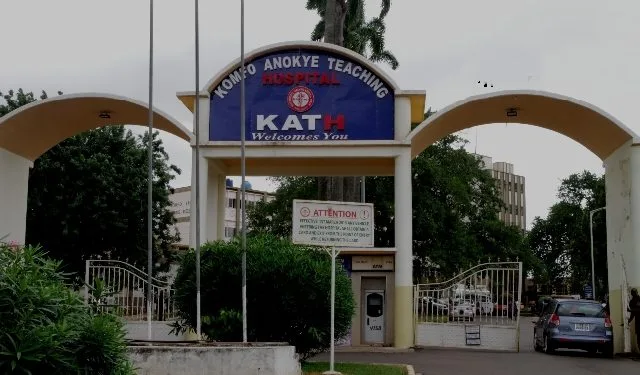
The industrial action was sparked by the suspension of KATH's Chief Executive Officer amid public outcry over worsening bed shortages and congestion at the hospital. Nurses in the region downed tools in solidarity, demanding answers.
Afriyie-Anto explained that additional assurances from the Ashanti Regional Minister and the Regional Coordinating Council strengthened the association's decision to suspend the strike. 'The assurances, first of all, Sunday evening from the Regional Minister and the Regional Coordinating Council, followed by what happened this morning, we needed to suspend it and believe what we're told, so that we can get a headway.'
He stressed that the assurances were convincing enough to justify the suspension. 'The assurances were good, and we hope that it'll be tackled, it's difficult, but we needed to do this.'
Beyond the strike, Afriyie-Anto strongly defended the actions of health professionals at KATH during the congestion crisis. He said what happened at the hospital was nothing unusual and was the right thing to do. He explained that emergency departments worldwide are expected to activate special protocols when patient volumes become overwhelming.
'It's the internationally accepted practice for nurses and midwives and other emergency teams at any emergency room to do that. When you're overwhelmed with the cases, you declare what we call critical incidents, and that's exactly what was done,' he said.
He argued that no individual should be punished for actions taken under such circumstances, and questioned attempts to place responsibility solely on the suspended CEO. Clinical decisions, he noted, are typically made by healthcare professionals, not hospital administrators. He illustrated his point by saying even a non-medical professional — like an accountant — could be appointed to lead a hospital, and it would be unfair to blame them for clinical decisions.
The suspension of the strike gives room for dialogue to continue. The GRNMA says it'll now engage with stakeholders to address the underlying issues at KATH, including the bed shortage and congestion that triggered the crisis. The fate of the suspended CEO remains unclear, but the association has made it clear that no one should be punished for following accepted medical protocols.
- The strike was suspended after assurances from the Asantehene, KATH Board, Ashanti Regional Minister, and Regional Coordinating Council.
- The industrial action was triggered by the suspension of KATH's CEO amid a congestion crisis.
- Jones Afriyie-Anto is the Ashanti Regional Chair of GRNMA.
- The association defended the declaration of a 'critical incident' at KATH as standard practice.
- Dialogue is expected to continue on resolving the hospital's bed shortage and congestion issues.