

Ghana's new Cultural Policy is finally here — seven years in
the making
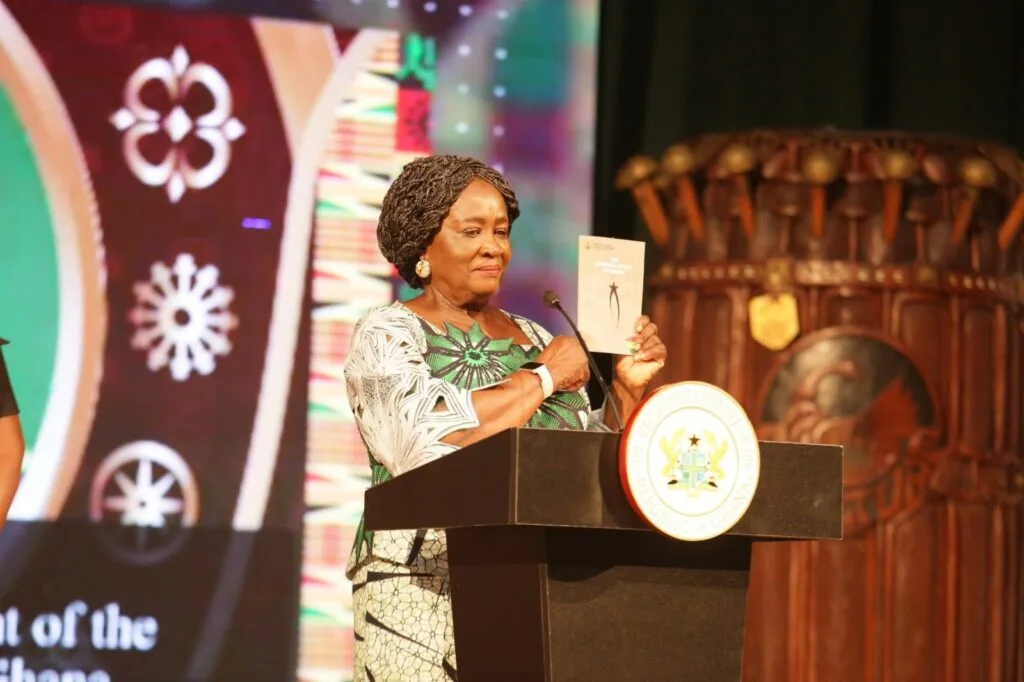
Vice President Prof. Jane Naana Opoku-Agyemang officially launched Ghana's revised national Cultural Policy on June 8, 2026, at the National Theatre in Accra. The old one had been sitting there since 2004.
The new policy is a strategic roadmap to preserve Ghana's heritage while pushing the cultural and creative industries to drive economic growth, create jobs, and transform society. It aligns with the United Nations Sustainable Development Goals and the African Union's Agenda 2063, making culture a key pillar of national development.
Work on this revision started seven years ago, with consultations involving stakeholders from across the country. Minister for Tourism, Culture and Creative Arts, Abla Dzifa Gomashie, said the policy is the result of years of those discussions and will support creative entrepreneurs, cultural investments, and the integration of culture into national planning.
Speaking at the launch, Prof. Opoku-Agyemang called on everyone in the Cultural and Creative Industries (CCIs) to work together. “Let this launch mark the start of a bold chapter in Ghana’s cultural journey. Let us come together. Government, traditional authorities, the youth and the diaspora of course, to unlock the full potential of culture and creativity. We must build a nation that draws strength from its heritage, create opportunities through innovation, and projects its voice with confidence and influence on the world stage,” she said.
The policy covers six broad areas: culture and heritage, culture and society, culture and governance, culture across the economy, culture and technology, and national oversight, implementation, and regulation.
What the policy means for creative entrepreneurs
The revised policy is designed to help people working in Ghana's creative industries — musicians, filmmakers, fashion designers, artists, and others — get more support. The government wants to make it easier for them to access funding, training, and markets, both locally and internationally.
It also aims to protect Ghana's cultural heritage, including traditional festivals, languages, and historical sites. The policy encourages the use of technology to promote Ghanaian culture, like digitising archives or using social media to reach younger audiences.
Why it took seven years
Developing a national policy that covers so many areas — from heritage preservation to tech integration — required extensive consultations. The Ministry of Tourism, Culture and Creative Arts held meetings with traditional leaders, youth groups, diaspora communities, and industry players. Getting everyone to agree on priorities took time.
The 2004 policy was outdated, especially when it came to digital opportunities and the economic potential of the creative sector. The new one tries to address those gaps.
What happens next
The policy is now in place, but implementation will be key. The government plans to set up oversight mechanisms to track progress. Stakeholders — including traditional authorities, the diaspora, and private investors — are expected to play their part.
For the average Ghanaian, this could mean more jobs in the creative sector, better preservation of cultural sites, and a stronger sense of national identity. Whether it delivers on those promises depends on how seriously the government follows through.