

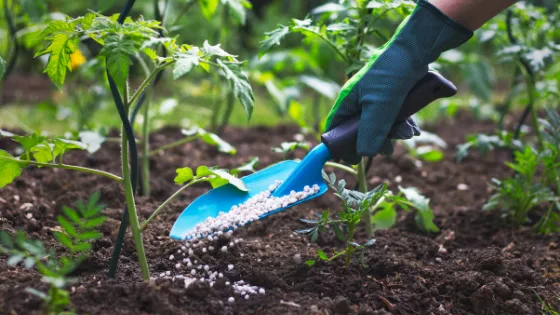
Ghana's farmlands might be getting weaker because of the very fertilisers meant to strengthen them.
Dr Collins Tay, Director of the Soil Research Institute at the Council for Scientific and Industrial Research (CSIR), says many imported fertilisers aren't matched to local soil conditions. Speaking on JoyBusiness' Agric Business Month on Joy FM on Wednesday, June 10, he warned that these products could be degrading the land instead of improving it.
“The fertilisers that are imported into the country aren't serving the optimal purpose because, for instance, when you go to typical soil that doesn't need nitrogen but has phosphorus but you go and add all the NPK, what that means is that you've added too much nitrogen to that type of soil and the rest will have to find its way into the ecosystems,” Dr Tay explained.
He said fertiliser decisions are often made without enough technical input from soil experts. That gap, he argued, is hurting soil health and wasting money.
“That is why we at soil research are saying that as a government or as a nation, we'd have to do things very right, and we can only do so if we approach experts for them to get involved right from the onset.”
Dr Tay called for closer collaboration between the government and specialist institutions like his. He said experts should be consulted from the start to guide which fertilisers are imported and how they're used.
The warning comes as Ghana pushes to boost agricultural productivity. But if the wrong fertilisers are being applied, that push could backfire — damaging the very soil farmers depend on.
Dr Tay's institute has long studied Ghana's diverse soil types, which vary widely from the coastal savanna to the forest zones. Each soil has different nutrient needs. A one-size-fits-all fertiliser approach, he suggested, is a recipe for trouble.
Excess nitrogen, for example, doesn't just waste money. It can leach into water bodies, causing pollution. It can also acidify the soil over time, making it harder to grow crops.
“We can only do so if we approach experts for them to get involved right from the onset and for us to see how best we can put our technical knowledge together and help government and as well as the general public to do modern agricultural practices,” Dr Tay noted.
For now, the message is clear: Ghana needs to rethink how it imports and uses fertilisers. Without proper soil testing and expert guidance, the country's agricultural future could be at risk.