

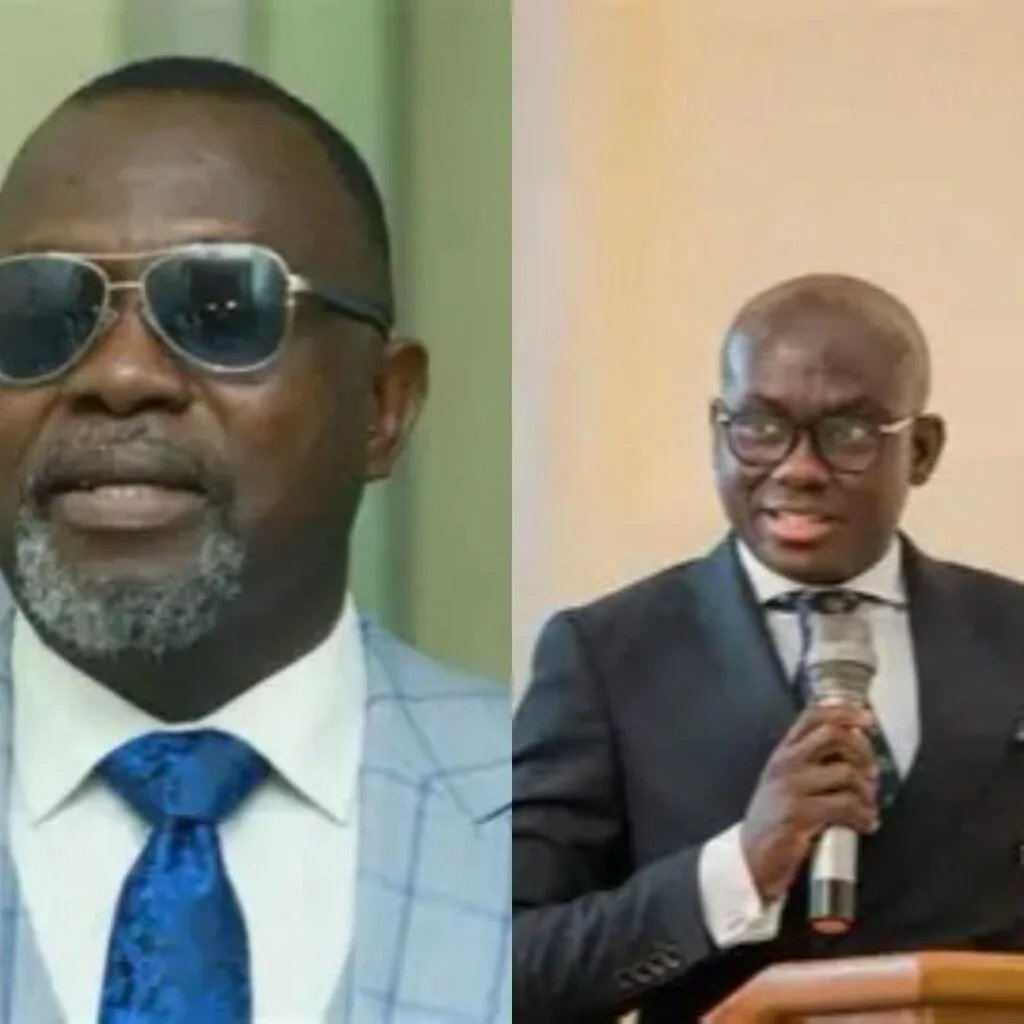
Hanan Abdul-Wahab, former CEO of the National Aviation College of Operations (NAFCO), is suing the Attorney-General's Office, the Deputy Attorney-General, and the Director of the Bureau of National Investigations (BNI) for contempt over his arrest at the Accra International Airport.
Lawyers representing Hanan Abdul-Wahab have announced plans to file contempt proceedings against the Attorney-General, the Deputy Attorney-General, and the Director of the Bureau of National Investigations (BNI), accusing them of deliberately breaching a High Court order by orchestrating their client’s arrest at the Accra International Airport despite the court having approved his travel.
The legal team also maintains that no valid court order freezing Abdul-Wahab’s bank accounts existed at the time of his arrest. In a statement issued on Sunday, July 5, counsel for Abdul-Wahab, Godfred Yeboah Dame, described as “false” claims made by Deputy Attorney-General Dr Srem Sai in a Facebook post on July 4, 2026, which sought to justify the arrest.
According to the lawyers, the High Court in Accra, presided over by Justice Achibonga, a Court of Appeal judge sitting as an additional High Court judge, granted Abdul-Wahab permission on June 29 to travel to the United Kingdom from July 4 to July 12 for a scheduled medical appointment with his optician.
The statement noted that the application was approved after both the defence and prosecution, including Dr Srem Sai, presented their arguments. It added that the ruling was consistent with established judicial practice, which allows accused persons standing trial to travel abroad for medical treatment and other legitimate purposes.
Dame further argued that several prominent individuals facing criminal prosecution, including Dr Stephen Opuni, Seidu Agongo, Alhaji Collins Dauda, Dr Cassiel Ato Forson, and Dr Kwabena Duffuor, had previously been granted similar travel permissions.
The legal team also dismissed allegations that Abdul-Wahab attempted to withdraw funds from a frozen Republic Bank account before departing the country. “We challenge him to produce evidence of a withdrawal of any sum by our client from any of his bank accounts since the date of the court order,” the statement said.
Dame insisted that no valid freezing order was in effect at the time. According to the statement, any previous orders freezing Abdul-Wahab’s accounts ceased to have effect after the prosecution withdrew the earlier charges against him on May 5, 2026, resulting in his discharge.
The lawyers also cited a ruling by the High Court at Adentan on May 20, 2026, concerning fresh charges filed on May 15. They said the court held that Abdul-Wahab’s re-arrest marked “a fresh process,” indicating that no previous freezing order remained in force.
Mr Dame added that this legal position had already been communicated to the Executive Director of the Economic and Organised Crime Office (EOCO) in a formal letter delivered about two weeks ago.
The statement accused the Attorney-General’s Office of misleading the public and unlawfully directing the BNI to arrest Abdul-Wahab based on allegations the defence says are unsupported by evidence.
Describing the airport arrest as a “blatant and wilful violation” of a High Court order, Dame said the legal team would proceed with contempt proceedings against the Attorney-General, the Deputy Attorney-General, and the Director of the BNI.
Hanan Abdul-Wahab was appointed as the CEO of NAFCO in 2015 and served until 2020. He has been embroiled in several controversies during his tenure, including allegations of corruption and mismanagement. NAFCO is a state-owned aviation college that provides training to Ghanaian pilots and aviation workers.
The incident has sparked widespread controversy, with many calling for the Attorney-General's Office to take responsibility for the breach of the court order. The Ghanaian public is awaiting the outcome of the contempt proceedings, which are expected to be heard in the coming weeks.
The BNI has yet to comment on the allegations, but sources close to the agency have indicated that they are cooperating fully with the investigation. The Executive Director of EOCO has also denied any involvement in the arrest, stating that the agency was not aware of any freezing order on Abdul-Wahab's accounts.
The Attorney-General's Office has not commented on the allegations, but sources close to the office have indicated that they are prepared to defend their actions in court.
The contempt proceedings are expected to be a significant test of the Attorney-General's Office, which has faced several criticisms in recent years over its handling of high-profile cases. The incident has once again raised questions about the role of the Attorney-General's Office and the BNI in the Ghanaian justice system.
Abdul-Wahab's lawyers have vowed to take the case to the highest court in the land if necessary, and the public is eagerly awaiting the outcome of the contempt proceedings. The Ghanaian public is also calling for greater transparency and accountability in the justice system.
Abdul-Wahab’s re-arrest has sparked a lot of attention on social media, with many Ghanaians expressing outrage over the alleged breach of the court order. The Deputy Attorney-General Dr Srem Sai has been criticized for his role in the arrest, with many calling for him to be held accountable.
The incident has also sparked a lot of debate about the role of the BNI and the Attorney-General's Office in the Ghanaian justice system. Many are calling for greater transparency and accountability in the justice system.
A Court of Appeal judge sitting as an additional High Court judge, Justice Achibonga, granted Abdul-Wahab permission to travel to the United Kingdom from July 4 to July 12 for a scheduled medical appointment with his optician.
Several prominent individuals facing criminal prosecution, including Dr Stephen Opuni, Seidu Agongo, Alhaji Collins Dauda, Dr Cassiel Ato Forson, and Dr Kwabena Duffuor, had previously been granted similar travel permissions.
Any previous orders freezing Abdul-Wahab’s accounts ceased to have effect after the prosecution withdrew the earlier charges against him on May 5, 2026, resulting in his discharge.
The court held that Abdul-Wahab’s re-arrest marked “a fresh process,” indicating that no previous freezing order remained in force.
Mr Dame added that this legal position had already been communicated to the Executive Director of the Economic and Organised Crime Office (EOCO) in a formal letter delivered about two weeks ago.