

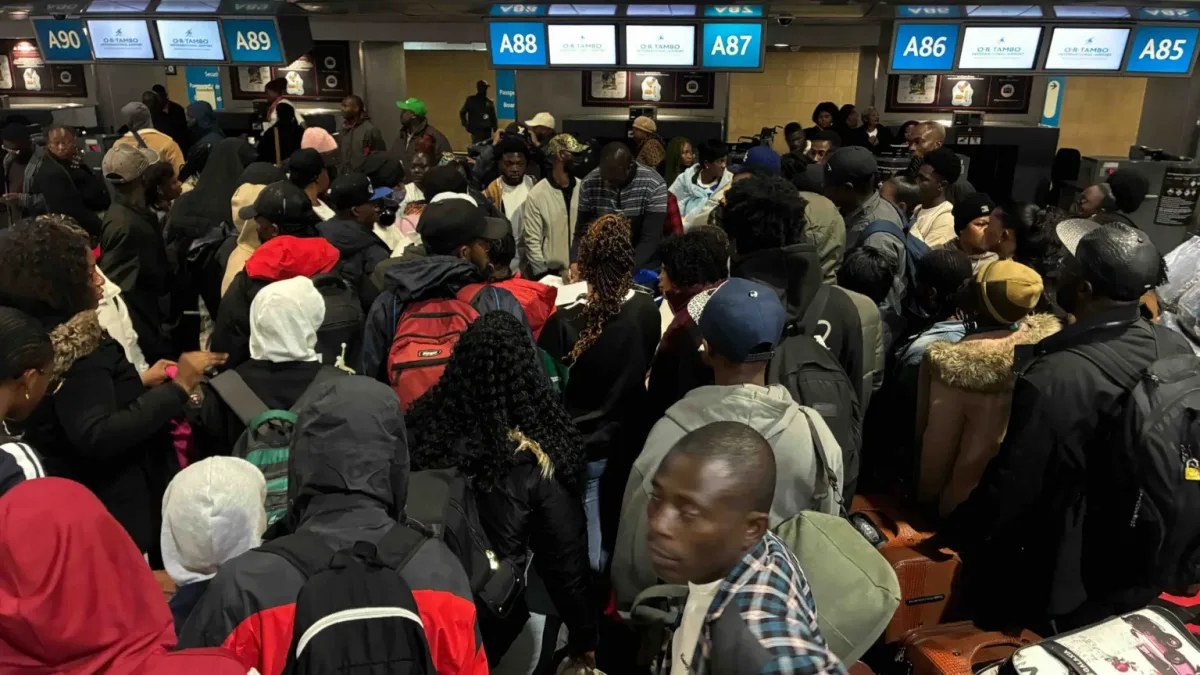
The early morning quiet at Johannesburg’s OR Tambo airport was shattered at 3:00 AM today as dozens of buses pulled up, loaded with Ghanaians eager to leave. These aren't tourists heading for a holiday; they’re part of a mass exodus of 800 citizens scrambling to return home after months of escalating tension in South African streets. What began as scattered protests has morphed into a climate of fear. This shift is forcing families, business owners, and workers to pack their lives into suitcases and abandon the country they once called home.
"It’s not comfortable for us to stay here anymore, so we have to go. I think we will find peace at home," says Rudolph, a man who has run a salon in South Africa for the last decade.
Rudolph’s story is echoed by hundreds of others who feel the walls closing in. The protests, spearheaded by a group calling itself March and March, have targeted immigrants under the guise of 'immigration reform.' This group has put a hard deadline on the calendar: June 30. They want all undocumented individuals gone by then. For many, this isn't just a political slogan; it’s an ultimatum that carries the threat of violence. The memory of 2008, when 62 foreigners were killed in similar unrest, and 2019, when at least 12 people lost their lives, looms large over the current situation.
Ghanaian High Commissioner Benjamin Quashie has been vocal about why the government is pulling its people out. He described a reality where economic activity for these Ghanaians has hit a wall and their daily lives have become a constant struggle for safety. The embassy isn't just watching from the sidelines; they’ve organised the logistics, screening the passengers to ensure an orderly departure. The government isn't just offering a plane ticket; they claim to have a reintegration strategy to help these returnees set up businesses back in Ghana, turning a desperate situation into a local economic pivot.
While March and March insists their marches are peaceful, the reality on the ground feels different for those being targeted. The protests initially flared up in Durban before crawling across other provinces, creating a sense of instability that's hard to ignore. Some analysts think the timing isn't accidental. With local elections fast approaching in November, anti-immigrant sentiment is a reliable tool for politicians looking to tap into public anger over strained public services. By framing immigrants as the cause of these shortages, agitators are finding an easy target to scapegoat.
The Scale of the Migration Crisis
There are roughly 25,000 Ghanaians currently living within South African borders. This is a significant community that contributes to the local economy. The initial wave of 300 people departing today is merely the first slice of a much larger group of 800 who have officially registered for repatriation. Authorities are currently processing the remaining passengers, with more flights scheduled to whisk citizens to safety in the coming weeks. This operation is a complex logistical dance between the High Commission and local law enforcement, who have been seen separating certain passengers into police vans for extra protection.
It’s a bitter pill to swallow for people like Rudolph, who spent ten years building his life and business. He says he won't ever return to South Africa, a sentiment shared by many who feel that their contribution to the country is no longer valued or wanted. The South African government has publicly condemned criminal acts against foreigners, yet they find themselves walking a thin line as they admit to needing stronger measures against illegal migration. The government faces the urgent challenge of maintaining order before the June 30 deadline, which keeps the situation volatile for those still waiting for their flight home.