

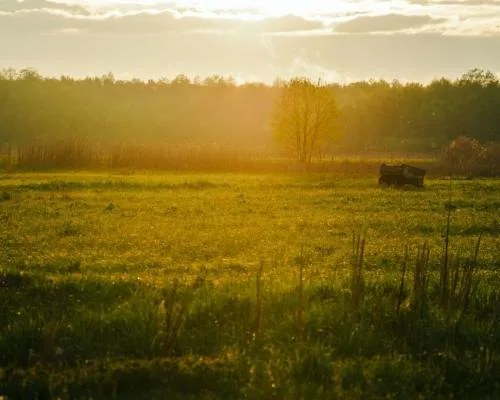
In a single day, a visitor to Biebrza national park can encounter more bird species than they would in a year in Britain. This shocking fact is a stark reminder of what Britain has lost in terms of its wildlife. The park, which is home to a wide range of species, including the white-tailed eagle, offers a glimpse into what Britain's landscape might have looked like before diversity and abundance were drained for productivity and profit. It's a landscape that's been lost in Britain, but still exists in Biebrza national park.
Amy-Jane Beer, the author of the Country Diary, recently visited the park and was struck by the sheer number of species she encountered. She didn't expect to see so many species in one place. In her diary, she writes about the 'homely clatter of the neighbourhood white storks' and the 'constant soundtrack of cuckoos and golden orioles'. She also describes the experience of watching the sunset from a wood-fired hot tub, listening to corncrakes as bats emerge and a beaver cruises past. It's an experience that she won't forget.
The park's unique landscape, which features a looping river with meanders and oxbows, is home to a wide range of wildlife. The river, which is the lifeblood of the park, supports a vast array of species, from birds and fish to elk and beavers. The park's ecosystem is a delicate balance of species, and the loss of any one species could have a significant impact on the entire ecosystem. This balance is what makes the park's ecosystem so unique.
One of the most striking things about Biebrza national park is the way it highlights what Britain has lost in terms of its wildlife. The park is home to many species that are familiar to Britons, but which are now rare or extinct in Britain. The white-tailed eagle, for example, was once found in Britain, but is now only found in a few remote areas. The park also provides a glimpse into what Britain's landscape might have looked like before the destruction of its natural habitats. It's a glimpse into a lost world.
The experience of visiting Biebrza national park is not just about seeing wildlife, but also about experiencing the park's unique landscape. The park's wood-fired hot tubs, which offer a chance to relax and watch the sunset, are a popular attraction. They're a great way to unwind and enjoy the park's beauty. The park's cabins, which are located on the edge of the forest, offer a chance to immerse oneself in nature. They're a great place to stay and experience the park's wildlife.
As Amy-Jane Beer notes in her diary, the experience of visiting Biebrza national park is a 'necessary recalibration' of one's perspective on the natural world. The park offers a chance to reconnect with nature and to experience the beauty and diversity of the natural world. It also serves as a reminder of what Britain has lost in terms of its wildlife and what can be done to restore it. We can learn a lot from the park's conservation efforts.
In terms of conservation efforts, Biebrza national park is an example of what can be achieved through careful management and protection of natural habitats. The park's unique landscape and wildlife are a result of the careful balance of species and ecosystems that have been maintained over time. The park's conservation efforts are also an important reminder of the need to protect and preserve Britain's own natural habitats. We can't afford to lose any more of our natural habitats.
The cost of visiting Biebrza national park is relatively affordable, with cabins and hot tubs available for rent. The park is also accessible by public transport, making it easy to get to and from. The park's location, which is remote and secluded, is also part of its charm, offering a chance to escape the hustle and bustle of city life. It's a great place to get away from it all.
Biebrza national park is a must-visit destination for anyone interested in wildlife and conservation. The park's unique landscape and wildlife offer a glimpse into what Britain's landscape might have looked like before the destruction of its natural habitats. The park's conservation efforts are also an important reminder of the need to protect and preserve Britain's own natural habitats. We must take action to preserve our natural habitats.
Key Facts
- Biebrza national park is home to over 200 species of birds
- The park is located in Poland and covers an area of over 59,000 hectares
- The park's unique landscape features a looping river with meanders and oxbows
- The park is home to many species that are familiar to Britons, but which are now rare or extinct in Britain
- The park's conservation efforts are an important reminder of the need to protect and preserve Britain's own natural habitats
'This is ecology writ large – a spectacular of interaction and a devastating demonstration of what we've lost at home.'
- Amy-Jane Beer
The experience of visiting Biebrza national park is one that will stay with you for a long time. The park's unique landscape and wildlife offer a glimpse into what Britain's landscape might have looked like before the destruction of its natural habitats. The park's conservation efforts are also an important reminder of the need to protect and preserve Britain's own natural habitats. We won't forget the park's beauty and importance.
As the world becomes increasingly urbanized, it's essential to remember the importance of preserving natural habitats and ecosystems. Biebrza national park is an example of what can be achieved through careful management and protection of natural habitats. The park's unique landscape and wildlife are a result of the careful balance of species and ecosystems that have been maintained over time. This balance is crucial for the park's ecosystem.
In the future, it's hoped that Biebrza national park will continue to thrive and serve as an example of what can be achieved through conservation efforts. The park's unique landscape and wildlife are a valuable resource, and it's essential that they are protected and preserved for future generations. We must ensure that the park's conservation efforts continue.
The impact of human activity on the natural world is a topic that's increasingly relevant in today's society. Biebrza national park is an example of what can be achieved through careful management and protection of natural habitats. The park's unique landscape and wildlife are a result of the careful balance of species and ecosystems that have been maintained over time. Human activity can have a significant impact on the natural world, and we must be careful not to harm it.
It's clear that Biebrza national park is a special place, one that offers a glimpse into what Britain's landscape might have looked like before the destruction of its natural habitats. The park's conservation efforts are an important reminder of the need to protect and preserve Britain's own natural habitats. As the world becomes increasingly urbanized, it's more important than ever to remember the importance of preserving natural habitats and ecosystems. We can learn a lot from the park's example.