

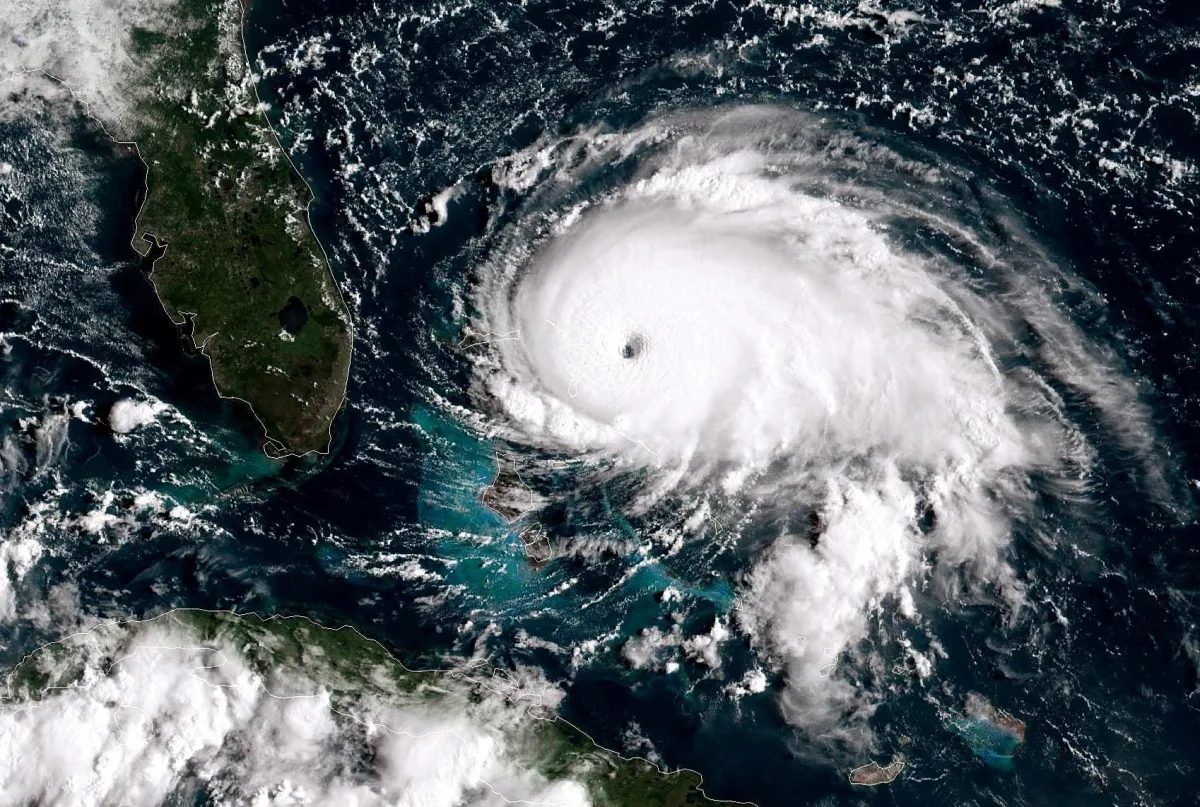
The official start of hurricane season is just a week away, and already, social media is filled with posts claiming a hurricane or tropical system is heading our way. These posts often share long-range, one-run weather model data, sparking unnecessary alarmism.
As the Atlantic hurricane season begins on June 1, the hype and alarmism start days or weeks in advance. This is largely driven by social media influencers who are seeking clicks, shares, and engagements, which can lead to real money or elevated clout. When people share incomplete or out-of-context weather information, it undermines the credibility of experts and contributes to the perception that forecasters are always wrong.
The biggest problem is the sharing of 'single run solutions' ten or more days out. Model solutions beyond 10 days are less reliable. The use of specific single 'deterministic' model runs from the European model, American Model, or any other model is problematic because it's based on a single scenario. Ensemble model forecasts, which depict multiple solutions based on slightly different initial conditions, are more accurate.
For instance, if you place a beach ball in the Mississippi River and predict where it will be three days later, you can get a relatively accurate forecast. However, if you place the ball in the river at 10 different starting points or under different conditions, the forecast outcome might vary. By taking the average of the 'ensemble,' it better accounts for uncertainties. This approach helps to provide a more accurate picture of what might happen.
Social media is a great thing, but the lack of filtering, context, and vetting can cause bad information to go viral.
To avoid spreading misinformation, it's essential to ask yourself four questions before sharing a suspicious post:
- Is the source credible?
- Is the information complete and in context?
- Are the predictions based on ensemble model forecasts or single run solutions?
- Is the forecast within a reliable timeframe?
Applying these four questions can make the job of weather experts, emergency managers, and other officials easier. They don't need to waste time swatting down viral rumors and innuendo, as hurricane season is already stressful enough.
As we approach the hurricane season, it's crucial to be cautious of social media hype and alarmism. By being mindful of the information we share and asking the right questions, we can help prevent the spread of misinformation. We can also ensure that we're prepared for any potential storms.
- The Atlantic hurricane season starts on June 1
- Model solutions beyond 10 days are less reliable
- Ensemble model forecasts are more accurate
- Social media influencers often share incomplete or out-of-context weather information for clicks and engagements
- Asking four questions before sharing a suspicious post can help prevent the spread of misinformation
The lack of filtering, context, and vetting on social media can cause bad information to go viral. As we head into the hurricane season, it's essential to be cautious of social media hype and alarmism. By being mindful of the information we share and asking the right questions, we can help prevent the spread of misinformation. We can also ensure that we're prepared for any potential storms.
As the season progresses, it's crucial to stay informed through credible sources. We should also be prepared for any potential storms. By doing so, we can minimize the risks associated with hurricanes. We can keep our communities safe.
But what's at stake is not just the credibility of weather experts. It's also the safety and well-being of communities. When people are misled by false information, they may not take necessary precautions. This can lead to devastating consequences. They won't be prepared for the storm, and they won't know how to react.
So, the next time you see a suspicious post on social media, remember to ask those four questions before sharing. It's a simple yet effective way to prevent the spread of misinformation. We can ensure that we're all prepared for the hurricane season.
Despite the risks, many people still share weather information without verifying its accuracy. This can be due to a lack of awareness. It can also be due to a desire to be the first to share breaking news. However, it's essential to prioritize accuracy over speed. We shouldn't be in a rush to share information that hasn't been verified. We should be cautious of social media hype and alarmism.
So, let's make a conscious effort to be mindful of the information we share on social media. This is especially important when it comes to weather-related news. By doing so, we can help prevent the spread of misinformation. We can keep our communities safe and informed. They won't be misled by false information, and they'll be prepared for any potential storms.