

Delhi's Sweltering Summer Nights
The single sharpest fact in one or two punchy sentences. Who did what, where, when, and why it matters. Not a summary of everything — the one thing that makes someone stop scrolling. A reader who only reads this paragraph must understand what happened.
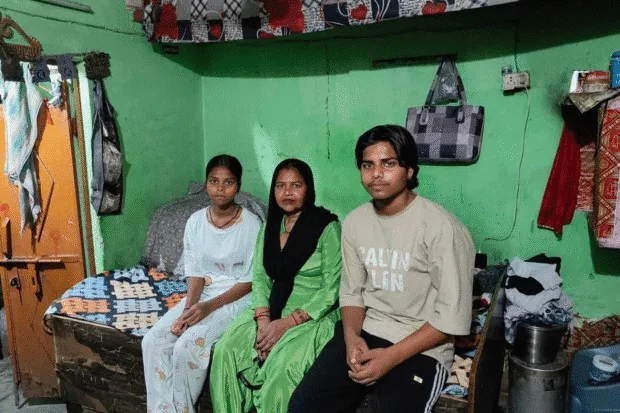
Durga Devi and her two teenage daughters have given up the familiar comfort of sleeping on their bed in Delhi every summer for the past five years. Instead, they opt for sleeping on the terrace floor where they can catch some breeze, and have installed an air cooler. This is not an exception, but a common practice among many residents living in cities like Delhi and Bengaluru.
The temperature inside their windowless bedroom can soar up to 45 degrees Celsius, making it uninhabitable. According to a report by the Indian Meteorological Department, temperatures in some parts of Delhi have exceeded 45 degrees Celsius this summer, with the mercury soaring as high as 49 degrees in some areas.
And it's not just Delhi. Bengaluru, the capital of Karnataka, has also seen a significant increase in temperatures, with residents complaining of unbearable heat even in the evenings. The city's urban heat island effect is a major contributor to this issue, with the absence of adequate green spaces and tree cover exacerbating the problem.
Unbearable Heat in India's Cities
Soaring temperatures are not a new phenomenon in India, but the frequency and intensity of heatwaves have increased in recent years. Cities like Delhi and Bengaluru are particularly vulnerable, with the urban heat island effect, rapid urbanization, and lack of green spaces contributing to the problem.
A study by the World Health Organization found that heat-related illnesses and deaths are a major public health concern in India, with the country experiencing some of the highest recorded temperatures globally. The WHO suggests that cities need to take urgent action to address this issue, including increasing tree cover, implementing heat-action plans, and reducing greenhouse gas emissions.
Heatwaves in India: A Growing Concern
India has witnessed several severe heatwaves in recent years, with the 2019 heatwave being one of the worst recorded. The heatwave led to over 2,500 deaths and left thousands more affected. The Indian Meteorological Department reported that the 2019 heatwave was the longest recorded in the country, lasting for 14 days.
Key Facts
- Temperatures in Delhi have exceeded 45 degrees Celsius this summer.
- The urban heat island effect is a major contributor to the problem in Bengaluru.
- The WHO recommends increasing tree cover, implementing heat-action plans, and reducing greenhouse gas emissions to address the issue.
- India has witnessed several severe heatwaves in recent years, with the 2019 heatwave being one of the worst recorded.
- The heatwave led to over 2,500 deaths and left thousands more affected.