

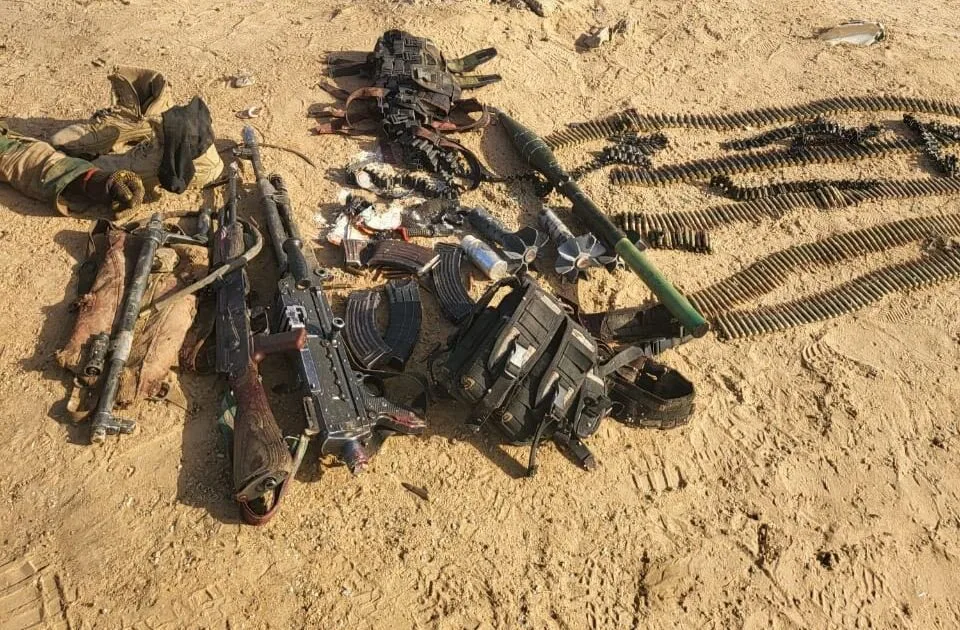
The Nigerian Army has just repelled a major attack by the Islamic State's West Africa Province (ISWAP) in Borno State. The attack, which was launched by ISWAP militants, was repelled after a coordinated land and air operation by the Nigerian Army. The army was able to recover arms and ammunition from the attackers. This incident is the latest in a series of attacks by ISWAP in the region. The group has been responsible for numerous attacks on civilians and military personnel in recent years.
The attack occurred in a remote area of Borno State, where ISWAP has been known to operate. The Nigerian Army has been conducting operations in the area to flush out the militants. The army's success in repelling the attack is a significant blow to ISWAP's operations in the region. The incident also highlights the ongoing security challenges in the region. Despite the Nigerian Army's efforts, ISWAP remains a potent force in the area.
The Nigerian Army's ability to repel the attack is a testament to its growing capabilities. The army has been working to improve its counter-insurgency tactics and has received training and support from international partners. The army's success in recovering arms and ammunition from the attackers will also help to disrupt ISWAP's supply chains. This could have a significant impact on the group's ability to launch future attacks.
The attack is a reminder of the ongoing conflict in the region. The conflict has displaced thousands of people and has had a significant humanitarian impact. The Nigerian government has been working to address the root causes of the conflict, but it's a complex issue. The government has also been working to improve security in the region, but it's an ongoing challenge. The incident highlights the need for continued international support to help the Nigerian government address the security challenges in the region.
Key Facts
- The attack occurred in Borno State, Nigeria
- The attack was launched by ISWAP militants
- The Nigerian Army repelled the attack after a coordinated land and air operation
- The army recovered arms and ammunition from the attackers
- The incident is the latest in a series of attacks by ISWAP in the region
- ISWAP has been responsible for numerous attacks on civilians and military personnel in recent years
- The Nigerian Army has been conducting operations in the area to flush out the militants
- The army's success in repelling the attack is a significant blow to ISWAP's operations in the region
Background on ISWAP
The Islamic State's West Africa Province (ISWAP) is a militant group that operates in the region. The group is an offshoot of Boko Haram, a militant group that has been active in the region for over a decade. ISWAP has been responsible for numerous attacks on civilians and military personnel in recent years. The group has also been known to kidnap people and demand ransom. ISWAP's ideology is rooted in a radical interpretation of Islam, and the group has been known to target Christians and other minority groups.
ISWAP's operations are primarily focused on the Lake Chad region, which includes parts of Nigeria, Chad, Cameroon, and Niger. The group has been able to exploit the porous borders in the region to launch attacks and move undetected. ISWAP has also been known to use the region's rugged terrain to its advantage, launching surprise attacks on military personnel and civilians. The group's ability to adapt and evolve has made it a significant challenge for regional security forces.
ISWAP's leadership is not well understood, but it's believed that the group is led by a council of leaders. The group's leadership has been able to maintain a level of cohesion and coordination, despite the death of several high-ranking leaders in recent years. ISWAP's ability to recruit new members has also been a challenge for regional security forces. The group has been able to exploit local grievances and economic conditions to recruit new members.
The Nigerian Army's Response
The Nigerian Army has been working to improve its counter-insurgency tactics in recent years. The army has received training and support from international partners, including the United States and the United Kingdom. The army has also been working to improve its intelligence gathering capabilities, which has helped it to anticipate and prepare for ISWAP's attacks. The army's success in repelling the recent attack is a testament to its growing capabilities.
The Nigerian Army's response to the attack was swift and decisive. The army was able to mobilize its troops quickly and launch a coordinated land and air operation to repel the attack. The army's use of air power was particularly effective, as it was able to provide close air support to its ground troops. The army's ability to recover arms and ammunition from the attackers will also help to disrupt ISWAP's supply chains.
The Nigerian Army's success in repelling the attack is a significant blow to ISWAP's operations in the region. The army's ability to adapt and evolve its tactics has made it a more effective force against ISWAP. The army's success will also help to boost morale among its troops, which is critical in a counter-insurgency campaign.
The Humanitarian Impact
The conflict in the region has had a significant humanitarian impact. Thousands of people have been displaced, and many have been forced to flee their homes. The conflict has also had a significant impact on the local economy, as trade and commerce have been disrupted. The humanitarian situation in the region is dire, with many people in need of food, shelter, and medical care.
The Nigerian government has been working to address the humanitarian crisis, but it's an ongoing challenge. The government has established several camps for internally displaced persons (IDPs), but conditions in the camps are often dire. The government has also been working to provide food and medical care to those in need, but it's a significant challenge. The international community has also been providing support, but more is needed to address the scale of the crisis.
The conflict has also had a significant impact on the region's infrastructure. Many roads and bridges have been destroyed, making it difficult for people to access basic services like healthcare and education. The conflict has also had a significant impact on the region's agriculture, as many farmers have been forced to flee their land. The region's economy has also been impacted, as trade and commerce have been disrupted.
The International Community's Response
The international community has been providing support to the Nigerian government to help it address the security challenges in the region. The United States, the United Kingdom, and other countries have been providing training and support to the Nigerian Army. The international community has also been providing humanitarian aid to help address the crisis.
The international community's response has been significant, but more is needed to address the scale of the crisis. The conflict in the region is complex, and it will require a sustained effort to resolve. The international community must continue to provide support to the Nigerian government, including training and equipment for its military. The international community must also provide humanitarian aid to help address the crisis.
The conflict in the region is a complex issue that requires a sustained effort to resolve. It's not just a matter of providing military support, but also addressing the root causes of the conflict. This includes addressing issues like poverty, inequality, and lack of access to education and healthcare. It's a challenge that requires a comprehensive approach, including diplomatic, economic, and military support.
The Way Forward
The Nigerian government must continue to work to address the security challenges in the region. The government must also work to address the root causes of the conflict, including poverty, inequality, and lack of access to education and healthcare. The government must also work to improve its relationship with local communities, which is critical in a counter-insurgency campaign.
The international community must also continue to provide support to the Nigerian government. This includes providing training and equipment to the Nigerian Army, as well as humanitarian aid to help address the crisis. The international community must also work to address the root causes of the conflict, including poverty, inequality, and lack of access to education and healthcare.
The conflict in the region is a complex issue that requires a sustained effort to resolve. It's not just a matter of providing military support, but also addressing the root causes of the conflict. It's a challenge that requires a comprehensive approach, including diplomatic, economic, and military support. The Nigerian government and the international community must work together to address the crisis and find a lasting solution.
Conclusion
The Nigerian Army's success in repelling the ISWAP attack is a significant blow to the group's operations in the region. The army's ability to adapt and evolve its tactics has made it a more effective force against ISWAP. The conflict in the region is complex, and it will require a sustained effort to resolve. The Nigerian government and the international community must work together to address the crisis and find a lasting solution. The humanitarian situation in the region is dire, and it requires immediate attention.
The international community must continue to provide support to the Nigerian government, including training and equipment for its military, as well as humanitarian aid to help address the crisis.