

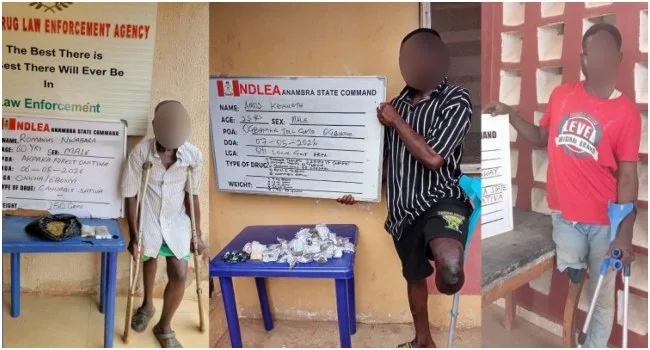
The National Drug Law Enforcement Agency (NDLEA) has made a significant breakthrough in its efforts to combat the illicit drug trade in Nigeria. On May 10, 2026, the agency arrested three persons with disabilities for drug trafficking and seized a massive haul of 766 kilograms of skunk, a potent and highly addictive cannabis product. The operation took place along the Okene-Lokoja highway in Kogi State, a region notorious for its high levels of drug-related activity. The NDLEA's success in this operation is a testament to the agency's commitment to disrupting the supply chains of illicit drugs in Nigeria. This recent bust is a major setback for the drug cartels that have been terrorizing the country for years.
The NDLEA's operation was a carefully planned and executed endeavor that involved the interception of a commuter bus heading to Abuja. Upon searching the vehicle, officers recovered 76 jumbo bags of skunk, each weighing approximately 10 kilograms. The total haul of 766 kilograms of skunk is estimated to be worth a staggering N5.8 billion, making it one of the largest drug seizures in Nigerian history. The arrest of the three persons with disabilities has also raised concerns about the exploitation of vulnerable individuals by drug cartels. It's clear that these individuals were used as pawns in a much larger game, and their arrest highlights the need for greater support and protection for persons with disabilities.
The NDLEA's efforts to combat the illicit drug trade in Nigeria are part of a broader effort to address the country's growing drug problem. Nigeria has become a major transit point for illicit drugs, with many of these substances ending up on the streets of European and American cities. The country's porous borders and lack of effective law enforcement have made it an attractive location for drug cartels, who have taken advantage of these weaknesses to smuggle large quantities of illicit substances into the country. The NDLEA's success in this operation is a significant step forward in the fight against the illicit drug trade, but it's clear that much more needs to be done to address the root causes of this problem.
The operation has also highlighted the need for greater cooperation between law enforcement agencies and other stakeholders in the fight against the illicit drug trade. The NDLEA's success in this operation is a testament to the agency's ability to work effectively with other agencies and organizations to disrupt the supply chains of illicit drugs. However, it's clear that more needs to be done to address the social and economic factors that drive the illicit drug trade. This includes providing support and protection for vulnerable individuals, such as persons with disabilities, and addressing the poverty and inequality that fuels the demand for illicit substances.
Key Facts
- The NDLEA arrested three persons with disabilities for drug trafficking on May 10, 2026.
- The operation took place along the Okene-Lokoja highway in Kogi State.
- 766 kilograms of skunk were seized, with an estimated value of N5.8 billion.
- The NDLEA intercepted a commuter bus heading to Abuja and recovered 76 jumbo bags of skunk.
- The operation is one of the largest drug seizures in Nigerian history.
- The NDLEA's efforts are part of a broader effort to address Nigeria's growing drug problem.
- Nigeria has become a major transit point for illicit drugs, with many of these substances ending up on the streets of European and American cities.
Background to the Illicit Drug Trade in Nigeria
The illicit drug trade is a major problem in Nigeria, with the country becoming a significant transit point for illicit substances. The country's porous borders and lack of effective law enforcement have made it an attractive location for drug cartels, who have taken advantage of these weaknesses to smuggle large quantities of illicit substances into the country. The NDLEA has been working to combat the illicit drug trade, but the agency faces significant challenges in its efforts to disrupt the supply chains of illicit drugs. One of the major challenges facing the NDLEA is the lack of resources and funding, which has hindered the agency's ability to effectively combat the illicit drug trade.
The illicit drug trade has also had a significant impact on Nigerian society, with many young people becoming addicted to illicit substances. The demand for illicit substances is fueled by poverty and inequality, with many individuals turning to drugs as a way to escape the harsh realities of their daily lives. The NDLEA's efforts to combat the illicit drug trade are part of a broader effort to address these social and economic factors, but it's clear that much more needs to be done to address the root causes of the problem.
The NDLEA's success in this operation is a significant step forward in the fight against the illicit drug trade, but it's clear that the agency faces significant challenges in its efforts to disrupt the supply chains of illicit drugs. The lack of resources and funding is a major concern, and it's clear that the NDLEA needs greater support and cooperation from other stakeholders in the fight against the illicit drug trade. This includes providing greater resources and funding for the NDLEA, as well as addressing the social and economic factors that drive the demand for illicit substances.
The Role of the NDLEA in Combating the
Illicit Drug Trade The NDLEA is the primary agency responsible for combating the illicit drug trade in Nigeria. The agency was established in 1989, and its primary mandate is to disrupt the supply chains of illicit drugs and to provide support and protection for individuals affected by the illicit drug trade. The NDLEA has been working to combat the illicit drug trade, but the agency faces significant challenges in its efforts to disrupt the supply chains of illicit drugs.
The NDLEA's efforts to combat the illicit drug trade are part of a broader effort to address Nigeria's growing drug problem. The agency has been working to provide support and protection for individuals affected by the illicit drug trade, including persons with disabilities. The NDLEA's success in this operation is a testament to the agency's ability to work effectively with other agencies and organizations to disrupt the supply chains of illicit drugs. However, it's clear that more needs to be done to address the root causes of the problem, including providing greater support and protection for vulnerable individuals.
The NDLEA's role in combating the illicit drug trade is critical, and the agency's success in this operation is a significant step forward in the fight against the illicit drug trade. However, it's clear that the agency faces significant challenges in its efforts to disrupt the supply chains of illicit drugs. The lack of resources and funding is a major concern, and it's clear that the NDLEA needs greater support and cooperation from other stakeholders in the fight against the illicit drug trade.
The Impact of the Illicit Drug Trade on
Nigerian Society The illicit drug trade has had a significant impact on Nigerian society, with many young people becoming addicted to illicit substances. The demand for illicit substances is fueled by poverty and inequality, with many individuals turning to drugs as a way to escape the harsh realities of their daily lives. The NDLEA's efforts to combat the illicit drug trade are part of a broader effort to address these social and economic factors, but it's clear that much more needs to be done to address the root causes of the problem.
The illicit drug trade is a major problem in Nigeria, and it's clear that the country needs to take a more comprehensive approach to addressing the issue. This includes providing greater support and protection for vulnerable individuals, such as persons with disabilities, and addressing the poverty and inequality that fuels the demand for illicit substances. The NDLEA's success in this operation is a significant step forward in the fight against the illicit drug trade, but it's clear that much more needs to be done to address the root causes of the problem.
The illicit drug trade has also had a significant impact on the economy, with many businesses and industries being affected by the trade. The trade has also led to an increase in crime and violence, with many individuals being involved in the trade. The NDLEA's efforts to combat the illicit drug trade are part of a broader effort to address these social and economic factors, but it's clear that much more needs to be done to address the root causes of the problem.
The Need for Greater Support and Protection for
Vulnerable Individuals The arrest of the three persons with disabilities has highlighted the need for greater support and protection for vulnerable individuals. It's clear that these individuals were used as pawns in a much larger game, and their arrest highlights the need for greater support and protection for persons with disabilities. The NDLEA's efforts to combat the illicit drug trade are part of a broader effort to address these social and economic factors, but it's clear that much more needs to be done to address the root causes of the problem.
The NDLEA's success in this operation is a significant step forward in the fight against the illicit drug trade, but it's clear that the agency faces significant challenges in its efforts to disrupt the supply chains of illicit drugs. The lack of resources and funding is a major concern, and it's clear that the NDLEA needs greater support and cooperation from other stakeholders in the fight against the illicit drug trade. This includes providing greater resources and funding for the NDLEA, as well as addressing the social and economic factors that drive the demand for illicit substances.
The need for greater support and protection for vulnerable individuals is critical, and the NDLEA's efforts to combat the illicit drug trade are part of a broader effort to address these social and economic factors. However, it's clear that much more needs to be done to address the root causes of the problem, including providing greater support and protection for persons with disabilities. The NDLEA's success in this operation is a significant step forward in the fight against the illicit drug trade, but it's clear that the agency faces significant challenges in its efforts to disrupt the supply chains of illicit drugs.
The Way Forward in the Fight Against the
Illicit Drug Trade The NDLEA's success in this operation is a significant step forward in the fight against the illicit drug trade, but it's clear that much more needs to be done to address the root causes of the problem. The agency's efforts to combat the illicit drug trade are part of a broader effort to address Nigeria's growing drug problem, but it's clear that the agency faces significant challenges in its efforts to disrupt the supply chains of illicit drugs.
The lack of resources and funding is a major concern, and it's clear that the NDLEA needs greater support and cooperation from other stakeholders in the fight against the illicit drug trade. This includes providing greater resources and funding for the NDLEA, as well as addressing the social and economic factors that drive the demand for illicit substances. The NDLEA's success in this operation is a significant step forward in the fight against the illicit drug trade, but it's clear that much more needs to be done to address the root causes of the problem.
The way forward in the fight against the illicit drug trade is critical, and the NDLEA's efforts to combat the illicit drug trade are part of a broader effort to address Nigeria's growing drug problem. However, it's clear that much more needs to be done to address the root causes of the problem, including providing greater support and protection for vulnerable individuals, such as persons with disabilities. The NDLEA's success in this operation is a significant step forward in the fight against the illicit drug trade, but it's clear that the agency faces significant challenges in its efforts to disrupt the supply chains of illicit drugs.