

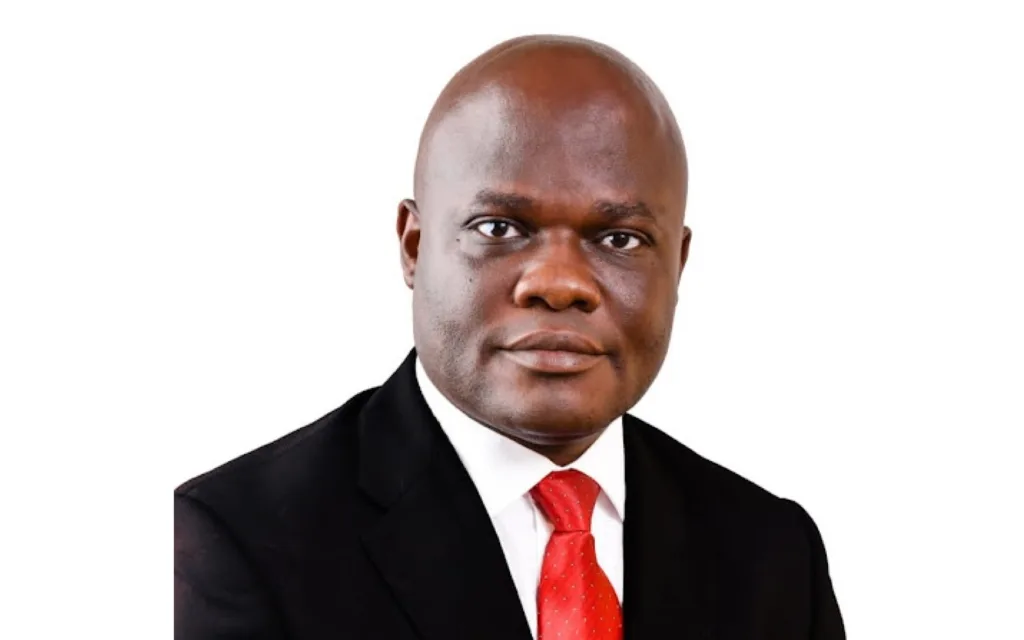
The Ministry of Local Government, Chieftaincy, and Religious Affairs is considering the adoption of an anti-witchcraft bill aimed at ending the scourge of witchcraft accusations in Ghana. The Minister of Local Government, Chieftaincy, and Religious Affairs, Ahmed Ibrahim, told Parliament that the bill seeks to criminalize witchcraft accusations, protect victims, and punish perpetrators. He explained that while the bill had been tabled, it had not yet been passed into law.
The ministry had set a target to review two existing laws on witchcraft enacted within the sub-region to align Ghana's legal framework with international human rights standards. Addressing Parliament, Mr. Ibrahim emphasized the need for collaboration with the Ministry of Gender, Children, and Social Protection to safeguard vulnerable populations and ensure comprehensive protection mechanisms.
The phenomenon of witchcraft accusations remains a pressing social challenge in Ghana, often resulting in stigma, violence, and exclusion of vulnerable groups, especially women, children, and the elderly. Mr. Ibrahim recalled that in September 2025, the Human Rights Committee of Parliament assured stakeholders that it would reintroduce the bill for passage and presidential assent.
The minister stated that until the bill is enacted, Ghana lacks a comprehensive national law, specifically criminalizing witchcraft accusations. This leaves victims vulnerable to stigma, violence, and exclusion, particularly in rural areas. Mr. Ibrahim emphasized the importance of rallying traditional leaders to ensure cultural legitimacy and grassroots support before the bill is finalized.
The ministry will engage chiefs, religious leaders, legislators, and community stakeholders in dialogue on the dangers of witchcraft accusations. They will also integrate traditional authority perspectives into the Private Member's Bill and the sub-regional law review. This will strengthen collaboration with the Gender Ministry to protect victims, with an emphasis on shelters and psychosocial support.
Ghana's Minister of Local Government, Chieftaincy, and Religious Affairs, Ahmed Ibrahim, is a seasoned politician with a strong track record. He has been an MP since 2013 and has served in various capacities, including as a deputy minister.
The Ministry of Local Government, Chieftaincy, and Religious Affairs plays a critical role in addressing witchcraft accusations and promoting peace in Ghana. The ministry has a strong presence in the country, with offices in all regions.
The new bill seeks to provide a comprehensive national law that aligns with international human rights standards. It aims to end witchcraft accusations and promote a culture of dignity, compassion, and justice for all.
Ghana's efforts to address witchcraft accusations are crucial for promoting peace and stability in the country. The new bill has the potential to make a significant difference in the lives of vulnerable groups.
The Ministry of Local Government, Chieftaincy, and Religious Affairs has made significant progress in promoting peace and stability in Ghana. The new bill is a testament to the ministry's commitment to ending witchcraft accusations.
The Ghanaian government has shown a willingness to address witchcraft accusations and promote a culture of peace. The new bill is a positive step forward for the country.
The new bill is expected to have a significant impact on Ghanaian society. It has the potential to promote a culture of dignity, compassion, and justice for all.