

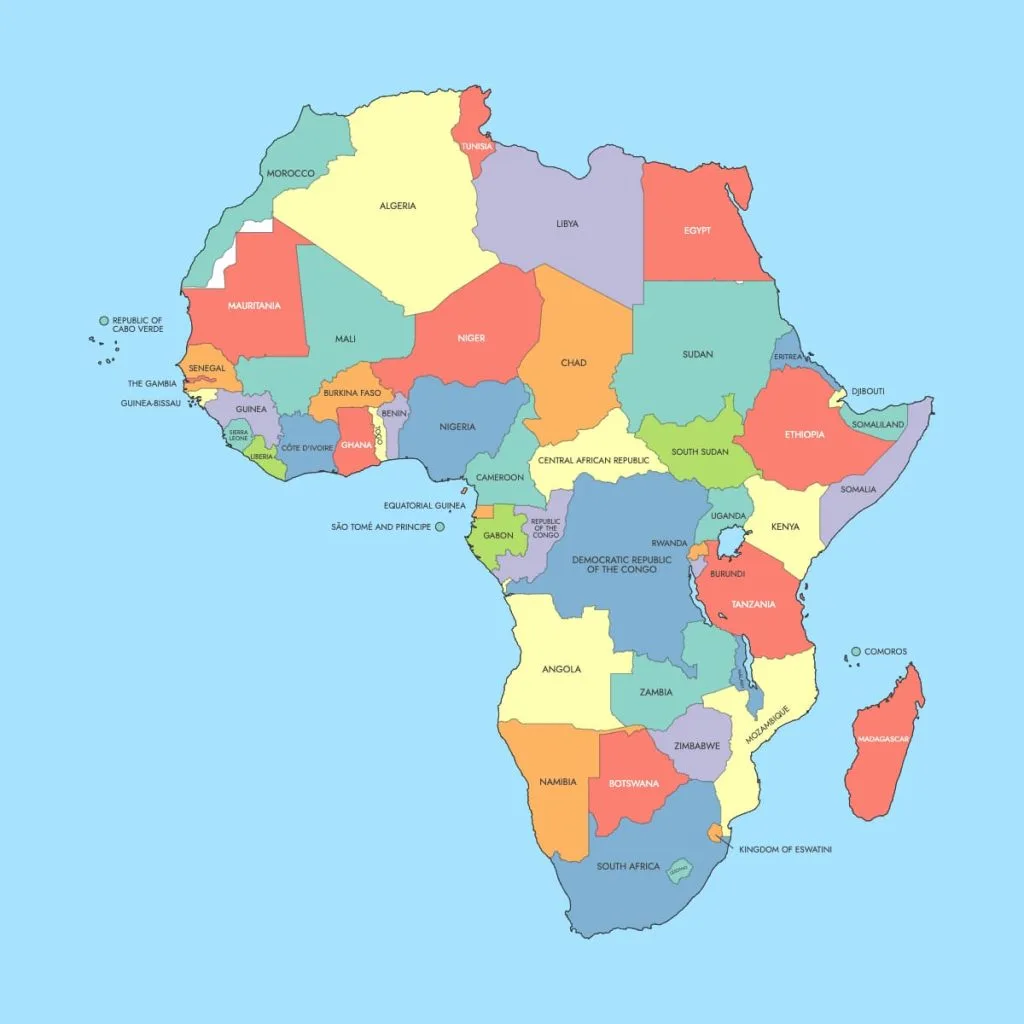
If you walk through a retail aisle in Lagos, you'll notice a significant shift in the African marketplace. There was a time when a brand's success was measured solely by its ability to provide a product that was 'good enough' and 'cheap enough.' But times have changed. African consumers are now more discerning, and they expect more from the brands they support. They want to know what's in the products they buy, how they're made, and what impact they have on the environment. This shift in consumer behavior is being driven by a growing middle class, increased access to information, and a desire for sustainability.
As a result, brands that prioritize transparency, sustainability, and trust are more likely to succeed in the African market.
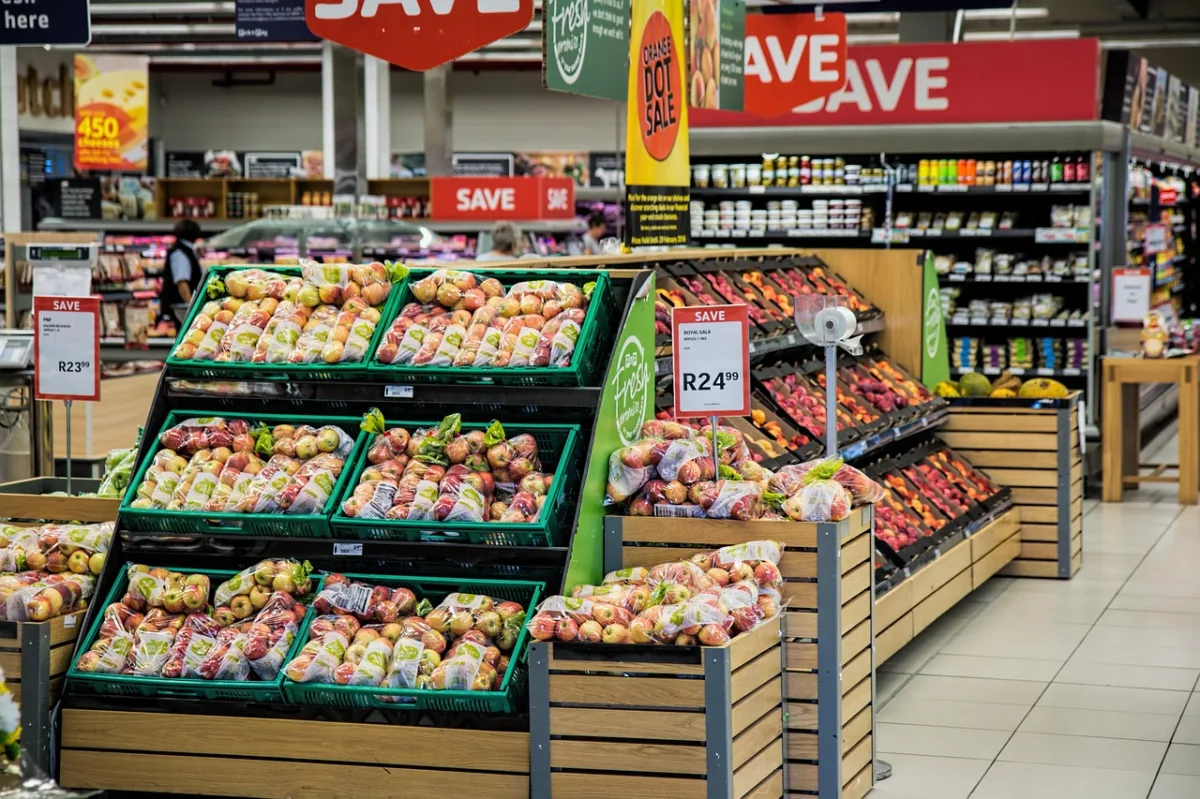
The African consumer market is a complex and diverse landscape, with different countries and regions having their own unique characteristics. However, one thing that's consistent across the continent is the desire for quality products that meet their needs and expectations. In the past, many African consumers were willing to compromise on quality in order to get a cheaper product. But now, they're willing to pay a premium for products that are made with high-quality ingredients, are sustainable, and have a positive impact on the environment. This shift in consumer behavior presents a significant opportunity for businesses that are willing to adapt and innovate.
So, what does this mean for businesses operating in Africa? It means that they need to rethink their strategy and prioritize transparency, sustainability, and trust. They need to be open and honest about their products, their manufacturing processes, and their impact on the environment. They need to invest in sustainable practices, such as renewable energy, waste reduction, and eco-friendly packaging. And they need to build trust with their customers by being responsive to their needs, providing excellent customer service, and being transparent about their business practices.
Yet, this is not an easy task. Many businesses in Africa are still struggling to adapt to the changing consumer landscape. They're faced with challenges such as limited infrastructure, lack of access to finance, and intense competition. But for those that are willing to innovate and adapt, the rewards are significant. They can tap into a growing market of discerning consumers who are willing to pay a premium for high-quality, sustainable products.
Key Facts
- African consumers are no longer satisfied with products that are just 'good enough' and 'cheap enough'.
- They now expect transparency, sustainability, and trust from brands.
- The African consumer market is a complex and diverse landscape, with different countries and regions having their own unique characteristics.
- The desire for quality products that meet their needs and expectations is consistent across the continent.
- African consumers are willing to pay a premium for products that are made with high-quality ingredients, are sustainable, and have a positive impact on the environment.
The Shift in Consumer Behavior
The shift in consumer behavior in Africa is being driven by a growing middle class, increased access to information, and a desire for sustainability. As more Africans gain access to the internet, social media, and other forms of media, they're becoming more informed about the products they buy and the companies they support. They're also becoming more aware of the impact that their purchasing decisions have on the environment and society. This increased awareness is driving a desire for sustainable products and practices.
And it's not just about the environment. African consumers are also becoming more discerning about the companies they support. They want to know that the companies they buy from are treating their employees fairly, supporting local communities, and contributing to the economy. They're looking for brands that share their values and are committed to making a positive impact.
But what's driving this shift in consumer behavior? One of the main factors is the growing middle class in Africa. As more Africans gain access to education, employment, and economic opportunities, they're becoming more affluent and more discerning. They're looking for products that meet their needs and expectations, and they're willing to pay a premium for quality.
The Importance of Transparency
Transparency is key to building trust with African consumers. They want to know what's in the products they buy, how they're made, and what impact they have on the environment. They want to be able to make informed decisions about the products they buy and the companies they support.
'The days of 'greenwashing' are over,' says Alex Gendis, a seasoned industrial operations leader. 'African consumers are savvy and informed, and they can spot a fake from a mile away. If you're not transparent about your products and practices, you'll lose their trust and their business.'
So, how can businesses prioritize transparency? They can start by being open and honest about their products, their manufacturing processes, and their impact on the environment. They can provide clear labeling, disclose their ingredients, and explain their manufacturing processes. They can also invest in sustainable practices, such as renewable energy, waste reduction, and eco-friendly packaging.
The Role of Sustainability
Sustainability is a critical factor in the African consumer market. African consumers are becoming more aware of the impact that their purchasing decisions have on the environment and society. They're looking for brands that prioritize sustainability and are committed to reducing their environmental footprint.
And it's not just about the environment. Sustainability is also about social responsibility. African consumers want to know that the companies they support are treating their employees fairly, supporting local communities, and contributing to the economy. They're looking for brands that share their values and are committed to making a positive impact.
But what does sustainability mean in the context of the African consumer market? It means investing in renewable energy, reducing waste, and using eco-friendly packaging. It means sourcing ingredients from local farmers and supporting local communities. It means treating employees fairly and providing them with safe working conditions.
The Future of the African Consumer Market
The future of the African consumer market is bright. As more Africans gain access to education, employment, and economic opportunities, they're becoming more affluent and more discerning. They're looking for products that meet their needs and expectations, and they're willing to pay a premium for quality.
And it's not just about the domestic market. The African consumer market is also becoming more integrated into the global economy. African consumers are looking for brands that are committed to sustainability, transparency, and social responsibility. They're looking for brands that share their values and are committed to making a positive impact.
But what does this mean for businesses operating in Africa? It means that they need to prioritize transparency, sustainability, and trust. They need to be open and honest about their products, their manufacturing processes, and their impact on the environment. They need to invest in sustainable practices, such as renewable energy, waste reduction, and eco-friendly packaging. And they need to build trust with their customers by being responsive to their needs, providing excellent customer service, and being transparent about their business practices.