

The single sharpest fact in one or two punchy sentences. Who did what, where, when, and why it matters. Not a summary of everything — the one thing that makes someone stop scrolling. A reader who only reads this paragraph must understand what happened.
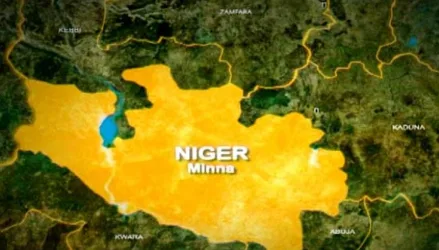
Intercommunal violence in western central Nigeria killed at least 48 people on Wednesday, a security report seen by AFP said on Thursday. The report, prepared for the United Nations, said “herder militia” armed with machetes raided farmers from the Kamuku ethnic group in the town of Tegina in Niger state, “killing at least 42 people”, prompting a reprisal that killed six herders working in a plantation.
And in a cycle of retaliation, Kamuku farmers launched attacks on three herding settlements around Tegina, also burning homes and killing at least two herders, according to Abdullahi Alhassan, a local community leader. The killing of Muhammad Shehu, a respected community leader among the herders, led to “a cycle of communal rifts between the two communities”, the security report said.
Niger state is reeling from deadly violence by jihadists as well as kidnapping-for-ransom and cattle rustling gangs called bandits. A month into the annual rainy season, a huge number of farmers have failed to access their lands due to attacks by bandits and jihadists who impose hefty levies on farmers in exchange for permission to work their farms.
The displacement of communities across the north and centre poses risk to Nigeria’s food security, international aid agencies have warned. In its latest advisory on Thursday, the United Nations World Food Programme (WFP) warned that Nigeria’s food security is “worsening faster than previously anticipated.”
Over 17 million people are experiencing “crisis, emergency, or catastrophic levels” of hunger in northern Nigeria, WFP said.
So what happens next? The international community will be keeping a close eye on events in Niger as they seek to mitigate the risk of widespread famine in the country.
“The raid was reprisals for the killing last month of the herders’ patriarch they blamed on vigilantes from Kamuku farmers,” said Abdullahi Alhassan, a local community leader.
Illegal mining, from which jihadists and bandits benefit, partly drives the violence in some regions of Nigeria. Nigeria’s northwestern and central regions regularly see deadly violence over land and water exploitation between farming and herding communities, which has worsened in recent years because of population pressure and climate change.
The government in Abuja has yet to comment on the latest violence, but it is clear that something needs to be done to address the root causes of these conflicts. With hunger and famine looming over the horizon, it's time for the government to take a strong stance against the forces of violence that are disrupting the lives of Nigerians.
In a country that should be feeding the nation and the rest of the continent with its bountiful harvest, Niger’s woes are a stark reminder of its own vulnerability and the importance of addressing these underlying issues.
Key Facts
- At least 48 people have been killed in clashes between herder militias and farmers in Niger.
- The violence is the latest in a series of deadly communal conflicts plaguing the country.
- Over 17 million people are experiencing “crisis, emergency, or catastrophic levels” of hunger in northern Nigeria.
- The United Nations World Food Programme (WFP) warns that Nigeria’s food security is “worsening faster than previously anticipated.”
- Niger state is reeling from deadly violence by jihadists as well as kidnapping-for-ransom and cattle rustling gangs called bandits.