

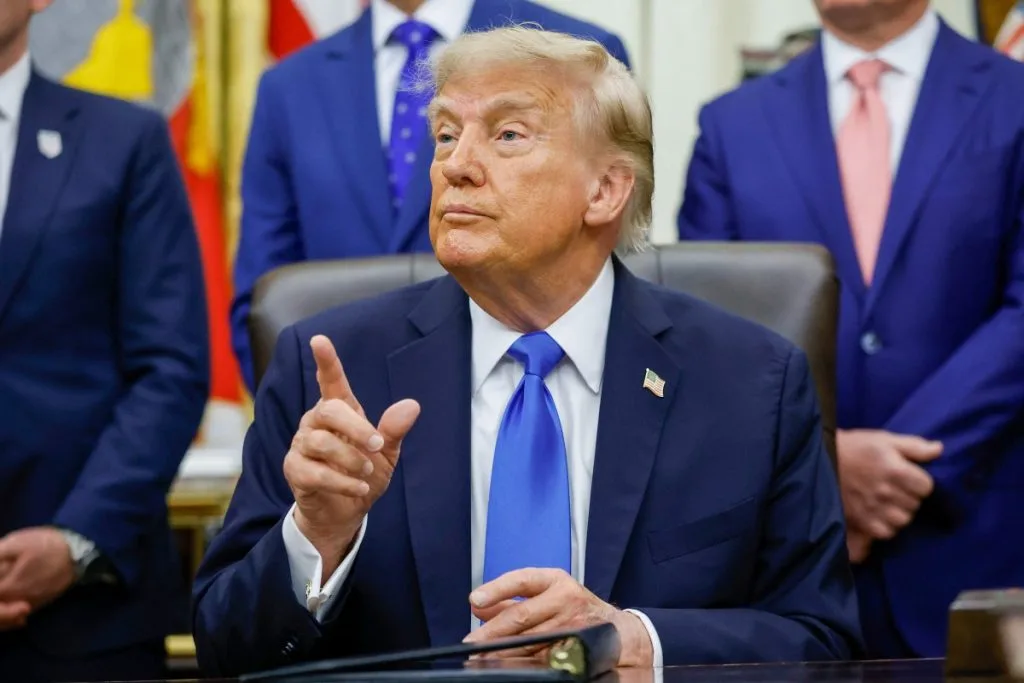
The United States is tightening its grip on citizenship claims, with a new proposal that will force parents to prove their own status when applying for passports for their children. This isn't just a small tweak; it's part of President Donald Trump's ongoing effort to limit what the administration calls 'birth tourism' — foreign nationals coming to the U.S. specifically to give birth and secure automatic U.S. citizenship for their babies.
Under this proposed directive, parents or legal guardians will have to show documents like a valid U.S. passport, a birth certificate, an I-94 form, or a permanent residency card. These documents will be used to check if the child actually qualifies for citizenship based on Trump's executive order from August 6th. Tommy Pigott, a spokesman for the State Department, explained that President Trump wants to ensure the value of American citizenship is protected and that the passport process reflects this standard.
This new guidance is the first real roadmap for how Trump’s executive order will be put into action. Remember, Trump’s first attempt to change birthright citizenship was shut down by the U.S. Supreme Court in a 6-3 decision. They said it went against the 14th Amendment’s Citizenship Clause. This new order is a bit more focused. It exempts children born to parents working for foreign governments in the U.S., those who engaged in fraud to get citizenship, or individuals deemed 'alien enemies.'
Up until now, applying for a child’s passport was much simpler. Parents mainly needed to show they were the parents and present a photo ID, while also indicating the child's citizenship status on the form without needing supporting documents for the parents themselves.
But not everyone is taking this lying down. Lawyers are already fighting back. Class-action lawsuits have been filed on behalf of affected children, with some cases already in federal courts. In Maryland, U.S. District Judge Deborah Boardman has expressed doubts about the legality of this new directive and has allowed the plaintiffs to update their case.
The Justice Department, however, argues that it’s too early to stop the policy since the official guidelines haven't been released to the public yet.
If this policy goes through, it will be a massive shift in how U.S. passports are issued. It marks a significant escalation in the Trump administration's immigration crackdown. The State Department is still accepting public comments on the proposed rule, which means there might be more changes before it's finalized. It’s a move that could impact thousands of families who have relied on the long-standing interpretation of birthright citizenship in America.