

Here is the polished version of your news article, with improved language as requested.
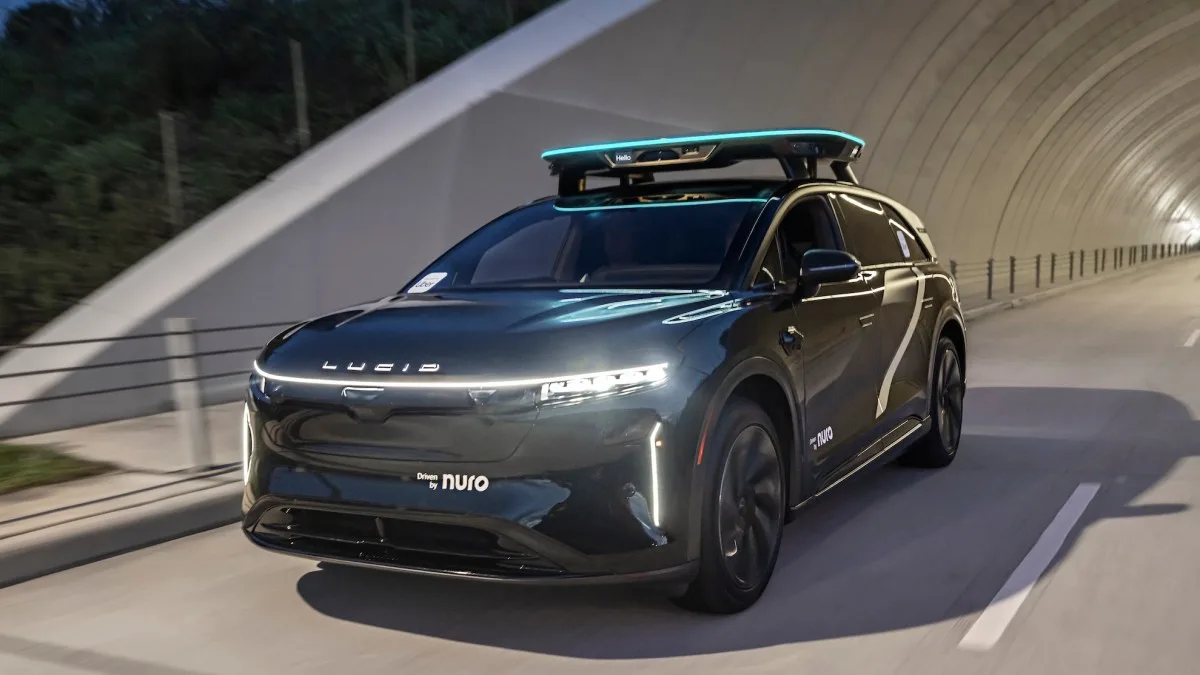
Uber is bringing self-driving cars to Houston — and they're not just any robotaxis. By mid-2027, the ride-hailing giant will launch a premium robotaxi service in the Texas city, making it the second U.S. market for its partnership with EV maker Lucid and autonomous vehicle startup Nuro.
The announcement came Tuesday, June 17, 2026, and follows a flurry of activity in the San Francisco Bay Area, where the trio plans to debut the service later this year. Uber says it'll eventually expand the program to "dozens of cities."
Here's how it works: The robotaxis will use Lucid's electric vehicles — think luxury sedans with that sleek, high-end interior — equipped with Nuro's self-driving technology. Uber handles the platform and the riders. It's a three-way split that Uber hopes will give it an edge in the autonomous race.
Houston wasn't picked at random. The city has been a testing ground for autonomous vehicles for years, with companies like Waymo and Cruise already running pilot programs there. Texas's warm weather and wide, grid-like streets make it easier for self-driving tech to operate compared to, say, Boston's narrow, snow-covered roads.
The service will be "premium," which likely means pricier rides but fancier cars — think Lucid Air sedans with plush seats and a quiet cabin. Uber hasn't announced exact pricing yet, but expect it to sit above standard UberX and maybe even Uber Black.
For context, Uber has been pivoting hard toward autonomy after years of losses. The company sold its own self-driving unit, Uber ATG, to Aurora Innovation in 2020, but has since partnered with multiple autonomous vehicle makers instead of building its own tech. This Lucid-Nuro deal is its biggest bet so far.
Nuro, founded by two former Google engineers, is known for its small, pod-like delivery vehicles, but it's also been working on passenger robotaxis. Lucid, meanwhile, is the California-based EV maker that went public in 2021 and has been struggling with production targets — this partnership gives it a new revenue stream.
Houstonians won't see these robotaxis until mid-2027, but San Francisco riders could get a taste as early as late 2026. If the Bay Area launch goes smoothly, Uber will likely accelerate its rollout to other cities. The company has already signed deals with Waymo in some markets, so it's hedging its bets across multiple autonomous platforms.
Uber has long argued that robotaxis will supplement human drivers, not replace them overnight. But the writing is on the wall: autonomous fleets are coming, and cities like Houston are where the future gets tested first.