

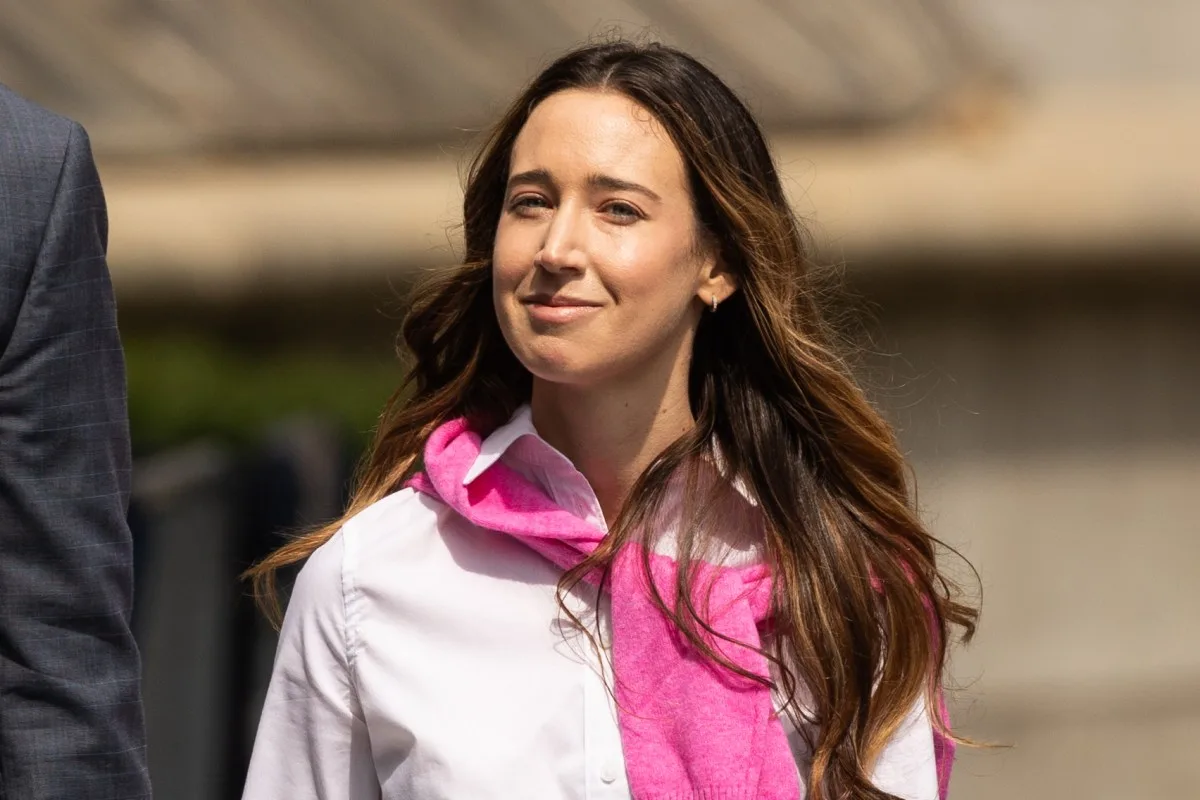
Charlie Javice, the convicted founder of the college financial aid startup Frank, is reportedly trying to get a presidential pardon from the Trump administration. According to the Wall Street Journal, her camp has been quietly working the phones, courting people close to the White House.
So far, Javice's name hasn't turned up on a formal clemency request list at the Justice Department. But that list is growing fast. The administration is reportedly weighing roughly 250 pardons this summer to mark America's 250th birthday, and a wave of clemency requests is pouring in from white-collar defendants — including Sam Bankman-Fried.
Javice was convicted in 2024 on fraud charges for lying to JPMorgan Chase about Frank's customer base. She claimed the startup had 4.25 million users when it actually had around 300,000. JPMorgan bought Frank for $175 million in 2021, then quickly discovered the deception and sued. At trial, prosecutors said she fabricated data and misled the bank's due diligence team. She was found guilty of securities fraud, bank fraud, and conspiracy, and is awaiting sentencing.
Frank was supposed to be a simple tool that helped students fill out the Free Application for Federal Student Aid (FAFSA). Javice launched it in 2017, and it gained attention for its user-friendly interface. But the company's growth story turned out to be largely fictional. The fake user numbers were central to the JPMorgan deal — and to her conviction.
A presidential pardon would wipe out Javice's conviction before she ever serves a day in prison. But it's not a sure thing. The pardon process typically requires a formal application through the Justice Department's Office of the Pardon Attorney, which reviews cases and makes recommendations. Going around that process — as Javice is reportedly doing — is a sign that her team doesn't expect the normal route to work.
Javice isn't the only high-profile defendant angling for clemency. Sam Bankman-Fried, the former FTX CEO convicted of stealing billions from customers, is also reportedly seeking a pardon. The summer 2026 timeline — tied to the Semiquincentennial, the 250th anniversary of the Declaration of Independence — gives the administration a patriotic reason to grant a large batch of pardons. Critics say it could become a get-out-of-jail-free card for wealthy fraudsters with connections.
The White House hasn't commented on Javice's reported efforts. The Justice Department declined to confirm or deny any pending pardon requests. A spokesperson for Javice's legal team didn't respond to requests for comment.
If Javice does get a pardon, it would be a stunning reversal for someone who was convicted just two years ago. She faces up to 30 years in prison at sentencing, which is currently unscheduled. A pardon would also erase the collateral consequences — she'd no longer be a felon, and she could potentially work in finance again.
But the move could also spark backlash. The Trump administration has already faced criticism for its clemency decisions, including pardons for political allies and wealthy donors. Adding two convicted fraudsters to the list — especially one who stole from a major bank and another who wiped out customer savings — would test the limits of that criticism.
For now, Javice's name isn't on any official list. But her team is clearly trying to change that. With 250 pardons on the table, she's betting that persistence — and the right connections — will pay off.