

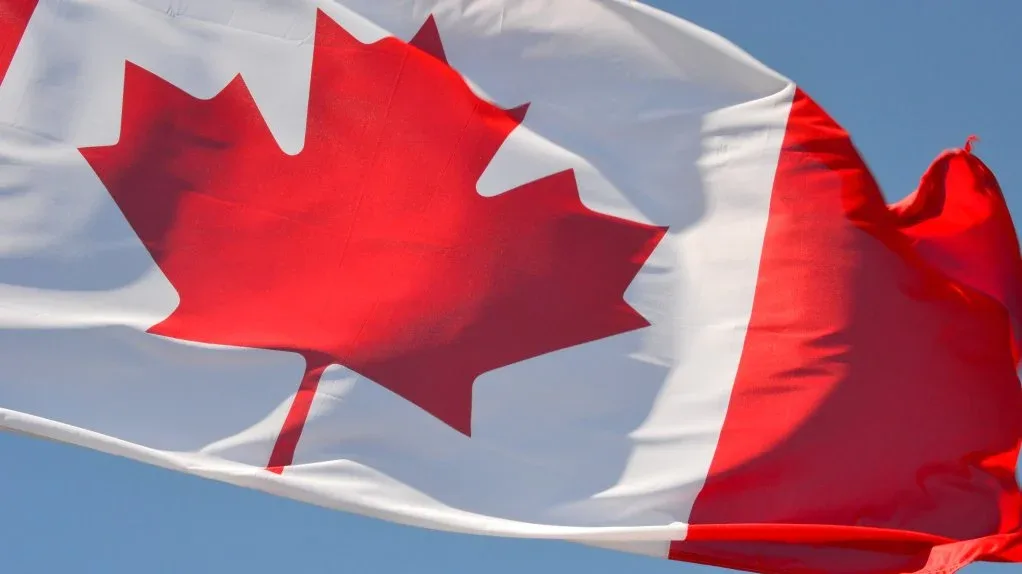
Canada isn't taking the United States' recent tariffs lying down. On Tuesday, the Canadian government announced it would impose retaliatory tariffs, some as high as 50%, on roughly 700 American products. These new duties, set to kick in on September 8, target about $20 billion worth of annual US imports. We're talking about everything from steel and aluminium to your everyday household appliances, electronics, and even fresh and frozen fish.
Ottawa says these measures are all about protecting Canadian workers, manufacturers, and producers. They're meant to counter the impact of tariffs recently slapped on Canadian goods by the US. The most significant punch in this round is Canada doubling its existing tariffs on American steel and aluminium, bringing them to a hefty 50%. Other goods will see tariffs of 25% and 15%, with Canadian authorities carefully choosing items that mirror the Canadian exports already hit by US duties.
Canada's Trade Minister, Mélanie Joly, made it clear that some products were chosen specifically for their political and economic clout in the US. We're talking about goods produced in states that, you know, openly supported President Donald Trump. Joly hinted that Canada still has more "good cards" to play, suggesting this isn't the end of the line for retaliatory measures.
The latest tit-for-tat comes right after trade talks in Washington fell apart and just days after the Trump administration imposed its own tariffs, some up to 50%, on Canadian goods. Canadian Prime Minister Mark Carney had already promised that Ottawa would respond "dollar for dollar," though he admitted it would mean higher costs and fewer choices for Canadians.
The auto sector is a particularly sore point. Both countries are heavily invested in cars, and they're miles apart on this. Canada is keeping its existing 25% tariff on US-made vehicles, rather than matching Trump's threat to raise it to 50%. They're also keeping a limited tariff-free arrangement for companies that build cars in Canada but import some parts from the US. This comes as Trump eyes doubling tariffs on Canadian autos and parts.
Considering over 90% of vehicles made in Canada are exported, this industry is really walking a tightrope.
Canada imports a massive amount of goods from the US – about $272 billion annually. The American market is, by far, Canada's most important trading partner. Canadian officials expect to spend much more supporting their own exporters who are struggling with the US tariffs than they'll actually collect from these new import duties.
To soften the blow for its businesses, the Canadian government is rolling out support measures, including interest-free loans. And get this – these loans won't even need to be repaid until after Trump leaves office. This is a long game.
But not everyone in Canada is on the same page. Some provincial leaders are divided. Doug Ford, the Premier of Ontario, is all for the counter-tariffs. However, Danielle Smith, Premier of Alberta, is urging caution. Alberta relies heavily on oil exports to the US, so she's worried about getting caught in the crossfire.
Economists are also chiming in, warning that these retaliatory tariffs might end up hurting Canadian businesses more by driving up the cost of imported goods, even if the public is behind a tougher stance. Some experts are suggesting Canada could use its own powerful exports like oil, natural gas, electricity, and critical minerals – especially potash, a major fertilizer export – as leverage. For now, though, Canada isn't including its most economically vital exports in the latest round, focusing its response squarely on American imports.