

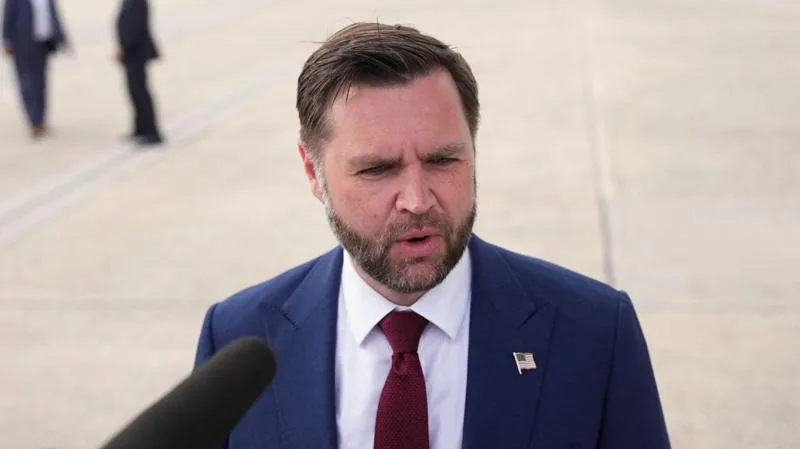
Washington and Tehran are currently doing a delicate dance, trying to nail down an agreement that could potentially pull the world back from the brink of a wider conflict. Vice-President JD Vance admitted that while the two sides aren't quite there yet, they're operating in good faith to bridge the remaining gaps. The talks are currently hung up on specific language points, with the thorny issue of uranium enrichment sitting right at the centre of the boardroom table.
At the heart of this potential deal is a 14-point memorandum of understanding that has been floating around in various drafts. If it actually gets signed off, it would mean a 60-day extension to the current ceasefire that has been in place since April 8. The US would lift its naval blockade on Iranian ports, and finally issue the waivers needed for Iran to get its oil flowing back into the global market. Given that a massive chunk of the world's energy, one-fifth of all liquefied natural gas and oil, usually passes through the Strait of Hormuz, this deal is less about diplomacy and more about stopping the global pump from running dry.
We're not there yet, but we're very close and we're going to keep on working at it, according to JD Vance. The document reportedly gives Iran 30 days to clear out mines currently clogging up that vital shipping lane, while simultaneously allowing for unrestricted passage of vessels. Tehran and Oman would take over the management of routing ships through the passage, effectively turning the page on current US-led maritime security operations in the area.
President Donald Trump has been looking at the proposal for a couple of days now, though he hasn't put his pen to paper just yet. He's facing serious pressure from his own party and international allies to get this sorted, but he's also made it clear that a return to combat operations remains a very real option.
Treasury Secretary Scott Bessent, the man currently tasked with steering the financial side of these negotiations, is playing his cards close to his chest. He refused to confirm any deal was set in stone, noting that getting ahead of the President is a mistake. When asked if the package might include cash for rebuilding Iran, he sidestepped the question, saying the team needs to land the deal before worrying about what happens on the other side.
The skepticism is understandable considering the Iranian Revolutionary Guard Corps claimed they hit a US base just yesterday, and Tehran insists they shot down an American aircraft—a claim the US Central Command has flatly denied, insisting all their assets are accounted for.
For the average person in the UK or Nigeria, this isn't just about geopolitics; it's about the price at the pump. When the Strait of Hormuz gets jittery, the global price of a barrel of crude oil spikes, and that cost eventually hits the pockets of motorists from London to Lagos. If this deal goes through, the influx of Iranian oil could provide a much-needed cooling effect on international fuel costs. However, the technical nightmare of what to do with Iran's stockpile of highly enriched uranium remains.
President Trump has toyed with the idea of diluting the material either on-site or shipping it to a third country, but these are exactly the kind of technicalities that keep diplomats up at night. He's also made it clear that any deal will need to address the uranium issue, which is a major sticking point in the negotiations.
The White House has publicly dismissed the Iranian state media reports of the 14-point plan as a complete fabrication, but the sheer level of detail suggests that the two sides are at least speaking the same language. The conflict has been an exhausting game of brinkmanship that has strained regional alliances and worried Gulf states who are desperate for a return to normal trade.
Whether this ends in a signed document or a fresh round of airstrikes is entirely in the hands of a few people in Washington and Tehran. For now, the world is waiting to see if the rhetoric of good faith turns into something actually worth the paper it's printed on. The international community is holding its breath, hoping that the fragile peace will hold, and that the negotiations will ultimately lead to a lasting resolution to the crisis.