

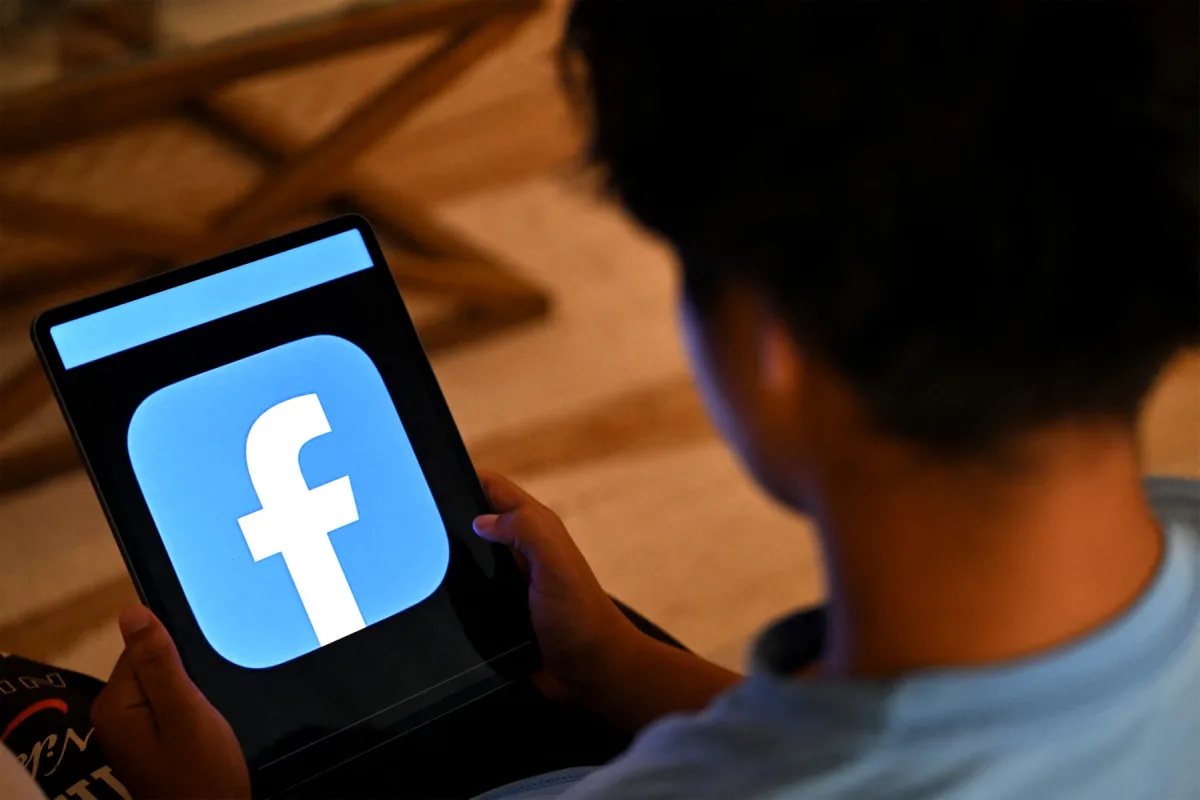
British Prime Minister Keir Starmer on Monday announced a forthcoming total ban on social media for children under 16, saying such platforms are “making children unhappy.”
The ban will cover platforms like Snapchat, TikTok, YouTube, Instagram, Facebook, and X, but not messaging services such as WhatsApp. Starmer said the government hopes to pass the regulation by late December and for the ban to come into force in spring next year.
“These platforms are exposing children to content that is dangerous and designed to be addictive,” Starmer said. He added that the government would also take “world-leading action on gaming services and live streaming platforms” that allow strangers to contact children.
“Is there a situation in the offline world where you would just let your child pair up with an adult that you don’t know about? No. So we’re taking action on that,” he said, without giving details.
The UK government also said it would consider overnight curfews and breaks in infinite scrolling for under-18s, with more details expected in July.
Starmer’s announcement was influenced by Australia, which in December became the first nation to ban people under 16 from social media. Canada’s culture minister last week introduced similar legislation under the proposed Digital Safety Act, which would ban children under 16 from having social media accounts and require AI chatbot services to limit harmful content. Indonesia began enforcing its own social media ban for users under 16 in March, while several European governments have expressed interest in similar moves.
A spokesperson for YouTube responded with a warning that such a blanket ban could push children towards “less safe services.”
The UK government’s consultation on the issue, which closed in late May, attracted about 116,000 contributions — the second-largest response ever received. Over 83 percent of parents who responded said the risks of social media outweighed the benefits for children, with 91 percent backing a minimum age of 16.
Last week, the government said tech giants must stop children in Britain from being able to send and receive nude images on their devices. Britain’s interior ministry gave companies, including Apple and Google, three months to introduce safety features to block children from taking and accessing naked photos on phones and tablets. If they fail, the government will introduce legislation forcing them to activate the technology.
Starmer’s centre-left Labour government said technology companies had a “moral responsibility” to “protect children from coercion, abuse and sextortion.” According to analysis by the Internet Watch Foundation charity cited by the government, 91 percent of online child sexual abuse reports recorded in 2024 contained self-generated content from children themselves.
The ban is expected to be passed by late December 2026 and come into force in spring 2027.