


The Strait of Hormuz, a narrow waterway connecting the Persian Gulf to the Gulf of Oman, is one of the most critical shipping lanes in the world. It's here that the US has launched 'Project Freedom', a naval operation aimed at ensuring the safe passage of oil tankers. The move comes amid rising tensions between the US and Iran, with both countries accusing each other of aggression. The US says it's responding to Iranian threats to disrupt oil shipments, while Iran claims the US is trying to strangle its economy. The situation is complex, with multiple countries and interests at play.
The US has been building up its military presence in the region, with several warships and aircraft deployed to the area. The UK, France, and other European countries have also sent ships to the region, citing concerns about maritime security. Iran, meanwhile, has been conducting its own naval exercises, which it says are meant to demonstrate its ability to defend its territorial waters. The situation is volatile, with both sides engaging in a war of words and accusing each other of provocation. The US has imposed tough sanctions on Iran, which has responded by scaling back its commitments under the 2015 nuclear deal.

The roots of the conflict go back to the US withdrawal from the nuclear deal, which was negotiated by the Obama administration. The deal, known as the Joint Comprehensive Plan of Action (JCPOA), imposed strict limits on Iran's nuclear program in exchange for relief from economic sanctions. The US withdrawal from the deal was a major blow to Iran, which had been hoping to use the agreement to rebuild its economy. Since then, the US has imposed increasingly tough sanctions on Iran, which has responded by scaling back its commitments under the deal. The situation is now at a boiling point, with both sides accusing each other of aggression.
The US says it's committed to ensuring the safe passage of oil tankers through the Strait of Hormuz, which is critical to the global economy. The waterway is used by nearly a third of the world's seaborne oil exports, and any disruption to shipping lanes could have major consequences for the global economy. The US has accused Iran of attacking several oil tankers in the region, which Iran has denied. The situation is complex, with multiple countries and interests at play. The US is working with its allies to build a coalition to protect shipping lanes, while Iran is seeking support from its own allies, including Russia and China.
Key Facts
- The Strait of Hormuz is a narrow waterway connecting the Persian Gulf to the Gulf of Oman.
- The US has launched 'Project Freedom' to ensure the safe passage of oil tankers.
- The operation is a response to Iranian threats to disrupt oil shipments.
- The US has imposed tough sanctions on Iran, which has responded by scaling back its commitments under the 2015 nuclear deal.
- The UK, France, and other European countries have sent ships to the region to protect shipping lanes.
- Iran has conducted its own naval exercises, which it says are meant to demonstrate its ability to defend its territorial waters.
- The US has accused Iran of attacking several oil tankers in the region, which Iran has denied.
- The situation is volatile, with both sides engaging in a war of words and accusing each other of provocation.
Background to the Conflict
The conflict between the US and Iran has a long and complex history. The two countries have been at odds since the 1979 Iranian Revolution, which overthrew the US-backed Shah of Iran. The US has imposed increasingly tough sanctions on Iran, which has responded by developing its own military capabilities. The situation has been exacerbated by the US withdrawal from the nuclear deal, which has led to a significant escalation of tensions. The US says it's committed to preventing Iran from developing a nuclear bomb, while Iran says it's only seeking to defend its territorial integrity.
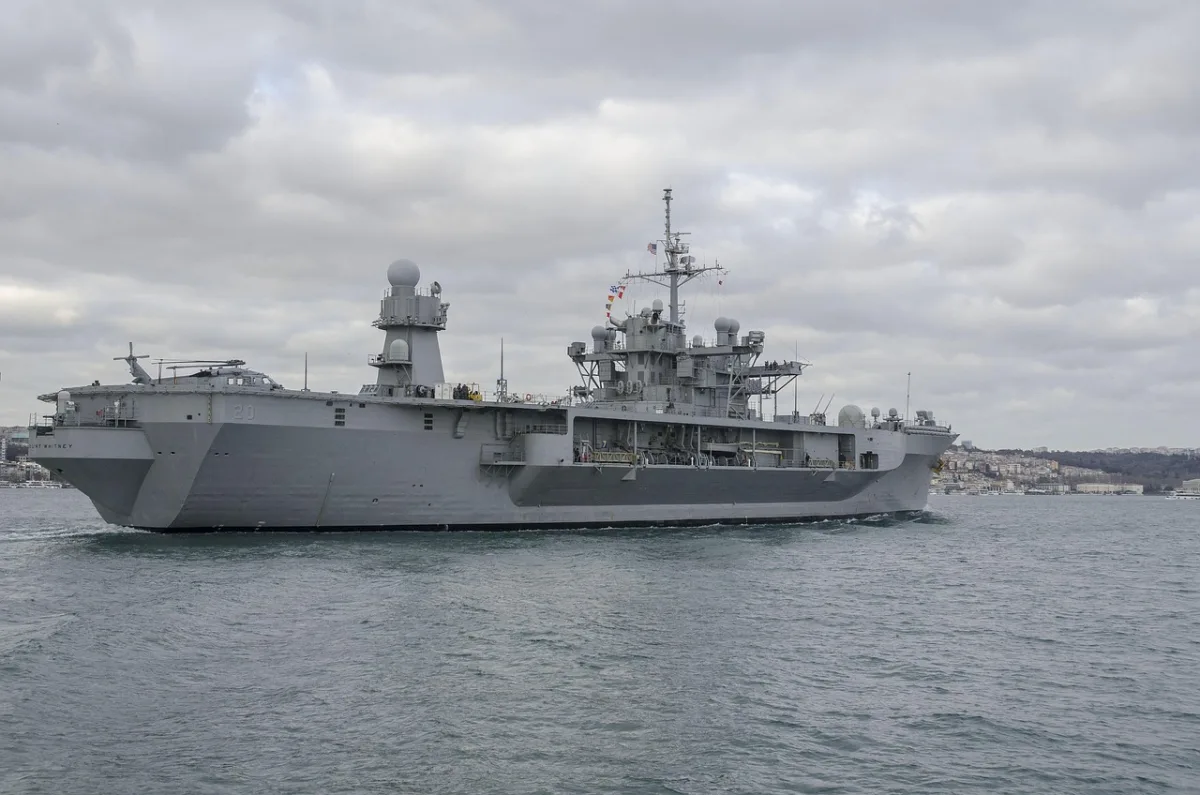
The US has been building up its military presence in the region, with several warships and aircraft deployed to the area. The move is seen as a response to Iranian threats to disrupt oil shipments, which could have major consequences for the global economy. The US is working with its allies to build a coalition to protect shipping lanes, while Iran is seeking support from its own allies, including Russia and China. The situation is complex, with multiple countries and interests at play. The US says it's committed to ensuring the safe passage of oil tankers, while Iran says it's only seeking to defend its territorial waters.
The conflict has significant implications for the global economy, with the Strait of Hormuz a critical shipping lane for oil exports. Any disruption to shipping lanes could have major consequences, including higher oil prices and economic instability. The US is working to build a coalition to protect shipping lanes, while Iran is seeking to develop its own military capabilities. The situation is volatile, with both sides engaging in a war of words and accusing each other of provocation.
The Role of Other Countries
The conflict between the US and Iran is not just a bilateral issue, with multiple countries and interests at play. The UK, France, and other European countries have sent ships to the region to protect shipping lanes, citing concerns about maritime security. Russia and China, meanwhile, have been seeking to develop their own relationships with Iran, including energy and trade deals. The situation is complex, with multiple countries seeking to advance their own interests in the region.
The UK has been a key player in the conflict, with several warships deployed to the region. The UK says it's committed to protecting shipping lanes and ensuring the safe passage of oil tankers. France, meanwhile, has been seeking to develop its own relationship with Iran, including energy and trade deals. The situation is complex, with multiple countries seeking to advance their own interests in the region. The US is working with its allies to build a coalition to protect shipping lanes, while Iran is seeking support from its own allies.
The situation has significant implications for the global economy, with the Strait of Hormuz a critical shipping lane for oil exports. Any disruption to shipping lanes could have major consequences, including higher oil prices and economic instability. The US and its allies are working to build a coalition to protect shipping lanes, while Iran is seeking to develop its own military capabilities. The situation is volatile, with both sides engaging in a war of words and accusing each other of provocation.
The Impact on the Global Economy
The conflict between the US and Iran has significant implications for the global economy, with the Strait of Hormuz a critical shipping lane for oil exports. Any disruption to shipping lanes could have major consequences, including higher oil prices and economic instability. The US is working to build a coalition to protect shipping lanes, while Iran is seeking to develop its own military capabilities. The situation is complex, with multiple countries and interests at play.
The global economy is highly dependent on oil exports from the Middle East, with the Strait of Hormuz a critical shipping lane. Any disruption to shipping lanes could have major consequences, including higher oil prices and economic instability. The US is working to build a coalition to protect shipping lanes, while Iran is seeking to develop its own military capabilities. The situation is volatile, with both sides engaging in a war of words and accusing each other of provocation.
The conflict has already had significant implications for the global economy, with oil prices rising in response to the tensions. The situation is complex, with multiple countries and interests at play. The US is working to build a coalition to protect shipping lanes, while Iran is seeking to develop its own military capabilities. The situation is volatile, with both sides engaging in a war of words and accusing each other of provocation.
The View from Iran
The conflict between the US and Iran is seen very differently from Tehran, where the government says it's only seeking to defend its territorial integrity. The US is seen as a hostile power, which has imposed tough sanctions on Iran and is seeking to strangle its economy. The Iranian government says it's committed to developing its own military capabilities, including its nuclear program, which it says is for peaceful purposes.
The US is trying to strangle our economy, but we will not be intimidated. We will continue to develop our own military capabilities, including our nuclear program, which is for peaceful purposes. We will not be bullied by the US or any other country.
The situation is complex, with multiple countries and interests at play. The US is working to build a coalition to protect shipping lanes, while Iran is seeking to develop its own military capabilities. The situation is volatile, with both sides engaging in a war of words and accusing each other of provocation. The Iranian government says it's committed to defending its territorial integrity, while the US says it's committed to preventing Iran from developing a nuclear bomb.
The conflict has significant implications for the people of Iran, who are already suffering under tough economic sanctions. The situation is complex, with multiple countries and interests at play. The US is working to build a coalition to protect shipping lanes, while Iran is seeking to develop its own military capabilities. The situation is volatile, with both sides engaging in a war of words and accusing each other of provocation.
The Way Forward
The conflict between the US and Iran is complex and multifaceted, with multiple countries and interests at play. The US is working to build a coalition to protect shipping lanes, while Iran is seeking to develop its own military capabilities. The situation is volatile, with both sides engaging in a war of words and accusing each other of provocation. The way forward is uncertain, with multiple scenarios possible.
The US and Iran could negotiate a new deal, which would address the concerns of both sides. The deal could include limits on Iran's nuclear program, as well as relief from economic sanctions. The situation is complex, with multiple countries and interests at play. The US is working to build a coalition to protect shipping lanes, while Iran is seeking to develop its own military capabilities.
The conflict could also escalate, with both sides engaging in a military conflict. The situation is volatile, with both sides accusing each other of provocation. The US has imposed tough sanctions on Iran, which has responded by scaling back its commitments under the 2015 nuclear deal. The situation is complex, with multiple countries and interests at play. The US is working to build a coalition to protect shipping lanes, while Iran is seeking to develop its own military capabilities.
The conflict has significant implications for the global economy, with the Strait of Hormuz a critical shipping lane for oil exports. Any disruption to shipping lanes could have major consequences, including higher oil prices and economic instability. The US is working to build a coalition to protect shipping lanes, while Iran is seeking to develop its own military capabilities. The situation is volatile, with both sides engaging in a war of words and accusing each other of provocation.