

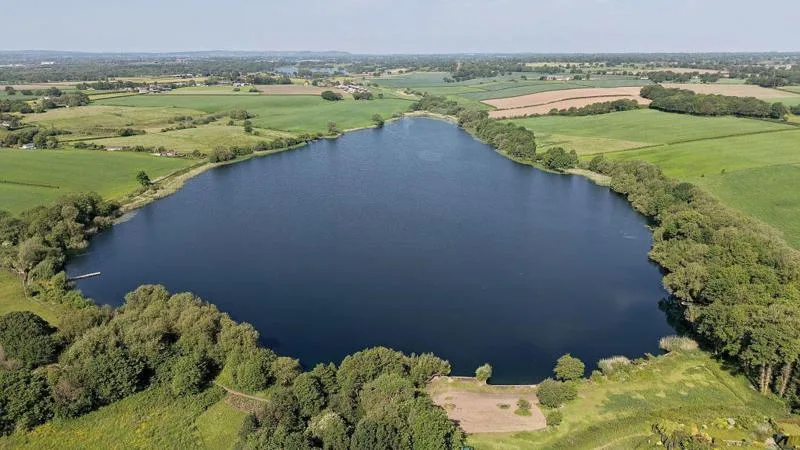
Nine families are currently mourning after a sudden surge in temperatures across the UK led to a series of devastating drownings. The Royal Life Saving Society (RLSS) has confirmed the heartbreaking tally. It includes seven young people, a man in his 60s, and a woman in her 70s. It's a bloody awful reminder that even when the sun is blazing and the mercury hits record highs, the reality of our open water is a different story entirely.
While the air might feel like the middle of July, the water temperature in many of our reservoirs and gravel pits remains bone-chillingly cold. Diving in without a thought leads to something called cold water shock. It’s an involuntary gasp reflex that happens the second your skin hits freezing water. That single gasp can pull water into your lungs before you’ve even had a chance to orient yourself. It makes even the strongest swimmer struggle to keep their head above the surface.
"So lie on your back with you head back, with your ears submerged, use your arms and legs to stabilise yourself and just let your breathing come back to a normal breathing pattern. And when you're feeling confident that you've gotten used to the water and your breathing's normal, you can shout for help or swim to save yourself."
That advice comes from Jim Bridge, a representative for the Water Safety Partnership. He’s pushing the 'float to live' technique, which is the gold standard for surviving a sudden submersion. If you find yourself panicking in open water, the worst thing you can do is fight it. Your instinct will be to thrash about and try to swim to the bank, but that burns energy you don't have. Fighting the water is a losing battle when your muscles are already stiffening from the cold.
For those wondering why this keeps happening despite constant warnings, the answer is often a mix of youthful optimism and lack of experience. Many young people see a shimmering lake or a quiet canal as a perfect cooling-off spot after a long day in school. They don't see the depth, the hidden currents, or the discarded debris—like shopping trolleys or sharp rusted metal—that can trap a swimmer. It’s not just about the water temperature; it’s about what’s beneath the surface that you can’t see until it’s too late.
Staying Safe Near the Water
- Always stick to lifeguarded areas where professionals are watching the perimeter.
- Enter the water slowly instead of jumping in, as a gradual approach allows your body to acclimatise to the chill.
- Avoid consuming alcohol before swimming, as it impairs your judgement and physical coordination just when you need them most.
- Keep a constant eye on children even if they are just paddling at the water's edge, as accidents happen in seconds.
- Check for local signage, which is often placed specifically to warn about steep drop-offs or dangerous currents.
The weather pattern is finally starting to shift, with cooler air moving into the northern and eastern parts of England today. That might keep more people away from the water. The lessons from the last few days are critical for anyone who enjoys the outdoors. We’ve seen these patterns before, where a spike in mercury leads to a spike in tragedies. It serves as a stern warning to check the environment before taking the plunge.
It’s a peculiar British habit to sprint to the nearest pond the moment the sun shows its face. But the danger isn't just a matter of 'being a good swimmer.' Even Olympic-level athletes can be floored by the physical reaction to cold water shock. If you’re heading out for a dip in the countryside, make sure you know exactly what you’re getting into before you leave the bank behind.