

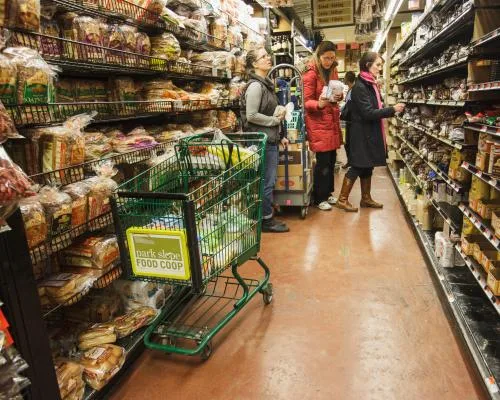
The Park Slope Food Coop has finally done it. On Tuesday night, this Brooklyn institution, famous for its high-maintenance membership rules and self-importance, voted to drop a dozen Israeli products. About 7,000 members logged onto a virtual meeting to settle a conflict that has dragged on for years. The final tally saw 67% of participants backing the boycott, which covers items ranging from peppers to tahini.
Our co-op has a long and proud tradition of more than 20 boycotts. We want to build on this tradition by boycotting Israeli products until Israel complies with international law.
This quote comes from Alyce Barr, a loyal member for nearly five decades who helped sponsor the proposal. The co-op, founded in 1973, isn't new to this kind of thing. In the past, they’ve refused to carry goods from apartheid South Africa and Chile during the reign of Augusto Pinochet. This time, however, the fight felt different—more like a "proxy war," as one local rabbi put it.
It wasn't just a simple vote. The lead-up involved two separate ballot initiatives. Aside from the boycott itself, members voted to scrap a rule that previously required a 75% supermajority for such measures to pass. Removing that barrier made the boycott move much easier to clear. For many, this was simply about sticking to the co-op’s long-standing values of socially conscious shopping. For others, it was an unwelcome intrusion of global politics into their grocery run.
The atmosphere at the store itself turned sour. There were reports of tables being flipped, materials getting dumped in the street, and members hurling abuse at one another. Management had to step in after hearing complaints about antisemitic and anti-Arab comments during a general assembly last month. The situation got so heated that the leadership had to increase security. They cited everything from suspicious mail to aggressive, non-stop phone calls.
General manager Joe Szladek has insisted these security measures aren't picking sides, even if it feels like that to the people on the ground.
Some big names jumped into the fray, too. Democrats Dan Goldman and Brad Lander, who are currently battling it out in a congressional primary, both went on record against the boycott. While Lander said he wasn't trying to sway votes, his stance clearly signaled how hot this topic has become in local Brooklyn politics. On the flip side, people like Palestinian advocate Mahmoud Khalil have defended the boycott. He calls it the bare minimum for a group that cares about human rights.
This isn't just about fruit and veg. The Park Slope Food Coop has become a tiny mirror for a much larger, global divide. It's a place where every item on a shelf is supposedly a statement. Whether you're a fan of the co-op’s intense membership requirements or you find their reputation for 'liberal gatekeeping' a bit much, it's clear that this institution takes itself very seriously. For a place that sells bulk lentils and obscure organic snacks, it has managed to punch way above its weight in local cultural discourse.
The co-op staff is tasked with enforcing this new reality. They have to identify the affected brands—specifically those from Israel and settlements in occupied Palestine—and make sure they don't hit the shelves. It’s a logistical headache that will likely test the patience of the workers and the management alike. Given the history of the place, arguments between members will likely persist long after the tahini is pulled from the inventory.