

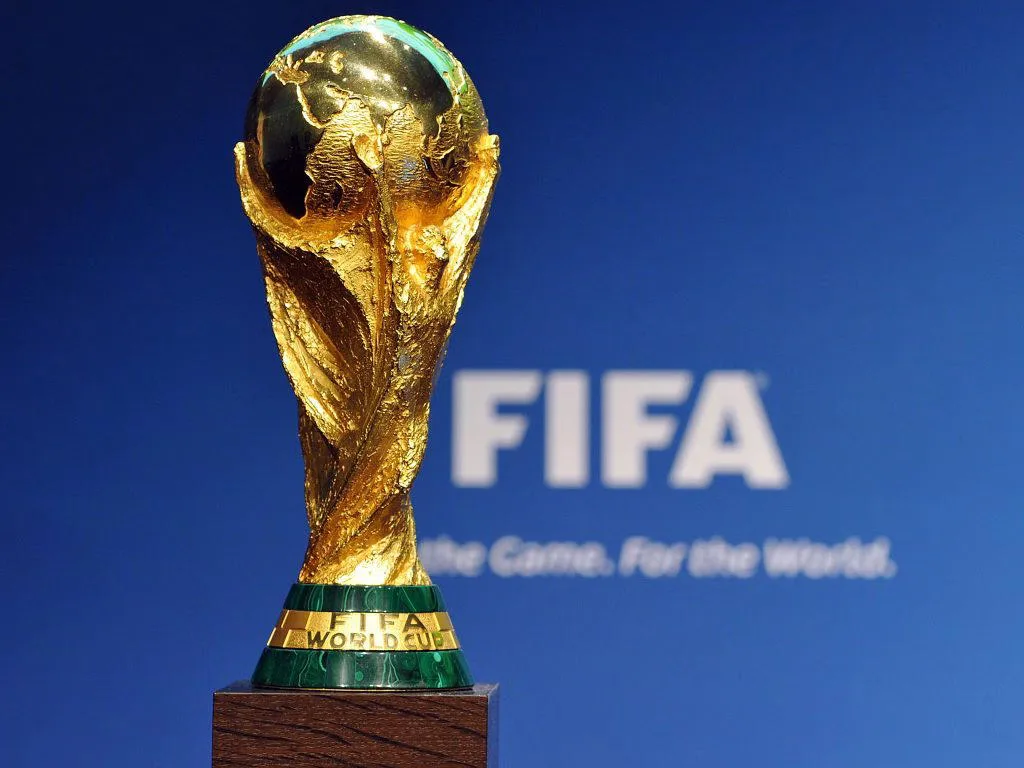
The Democratic Republic of the Congo may miss the World Cup due to strict travel and health protocols. But what happens when a team qualifies for the FIFA World Cup but can't participate?
FIFA replaces the affected nation with another team rather than reducing the number of participants in the tournament. The replacement is often selected from the same qualification pathway or confederation. This could include the next-best ranked team, a playoff runner-up, or another eligible side based on qualification records. They're chosen to maintain the original tournament structure.
The aim is to ensure all groups remain complete. It's determined by how many days are left to the tournament for logistics reasons. Tournament structure remains unchanged even when a qualified team is removed.
FIFA rarely changes the overall format of the competition. Instead, the replacement nation is inserted directly into the group originally assigned to the withdrawn team. Match schedules and fixtures are usually left untouched. This is to avoid major disruptions to broadcasters, organisers, and participating countries. They don't want to cause any issues.
Possible sanctions for the affected federation include financial penalties, suspension from future competitions, loss of prize money, and administrative sanctions against the football federation. These punishments are generally directed at the national football body rather than the players themselves. They won't affect the players directly.
Another possibility would see FIFA continue the tournament with 47 nations instead of the planned 48. In that situation, the affected group would contain only three teams rather than the standard four teams used across the other World Cup groups. However, such a move could create complications. It could affect the knockout qualification format.
Over the years, several nations have missed FIFA tournaments after qualification due to political disputes, sanctions, eligibility violations, or health-related concerns. Replacement teams have stepped in to fill the vacant places. They're selected based on the qualification pathway or confederation.
Key Facts
- Replacement team is selected from the same qualification pathway or confederation
- Tournament structure remains unchanged
- Possible sanctions for the affected federation include financial penalties and suspension from future competitions
- FIFA rarely changes the overall format of the competition
- Match schedules and fixtures are usually left untouched
The situation with the Democratic Republic of the Congo highlights FIFA's procedures for replacing qualified teams. It's not the first time a team has faced the risk of missing the World Cup due to circumstances beyond their control. They can't participate due to factors they don't control.
FIFA's procedures are designed to ensure the tournament continues with minimal disruption. The organisation's primary goal is to maintain the integrity of the competition. They also want to be fair to all participating teams. It's a delicate balance.
As the situation with the Democratic Republic of the Congo continues to unfold, it's clear that FIFA will follow its established procedures. They'll ensure the tournament proceeds as planned. The rules are in place to handle such situations.
The world of football is no stranger to last-minute changes and unforeseen circumstances. But with FIFA's procedures in place, fans can rest assured that the show will go on. Even if a qualified team can't participate, the tournament will continue. It's what fans expect.