

The National Baseball Players Association (MLBPA) has taken a firm stance against a proposed salary cap, sparking a potentially contentious Collective Bargaining Agreement (CBA) battle.
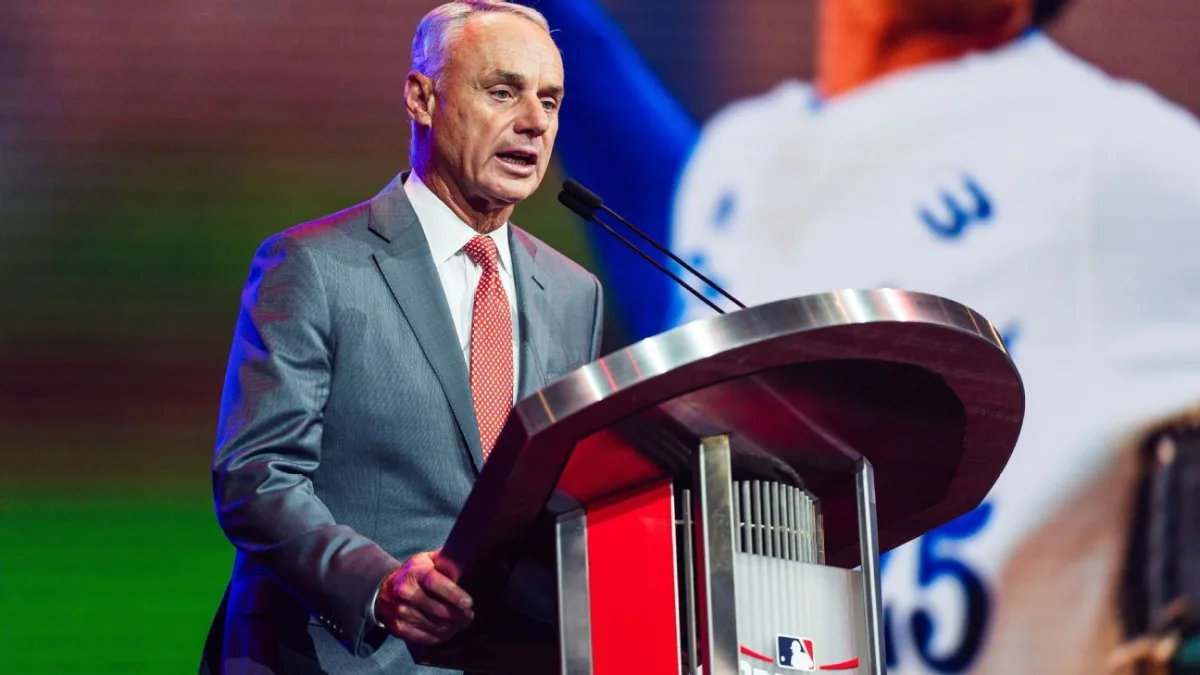
MLB Commissioner Rob Manfred is pushing for the introduction of a salary cap, citing concerns about competitive balance and the need to control rising player salaries. However, MLBPA Executive Director Tony Clark is adamant that a cap would be detrimental to player welfare, arguing that it would restrict freedom of contract and limit the ability of top players to negotiate their worth.
The issue of a salary cap has been a contentious one in American sports for decades. In the National Football League (NFL), the salary cap has been in place since 1994 and has helped to regulate player compensation and team competitiveness. The NFLPA has also faced criticism for its handling of player rights under the cap.
While the NFL salary cap has promoted competitive balance and regulated player salaries, it has also been criticized for its impact on player welfare and its potential to limit freedom of contract. The NBA has implemented a salary cap, but its results have been mixed. The cap has helped to promote competitive balance and regulate player salaries, but it has also been criticized for its impact on player welfare and its potential to limit freedom of contract.
In contrast, Major League Baseball (MLB) has no formal salary cap, but instead operates under a luxury tax system. This has allowed teams to spend lavishly on player salaries, but has also created tensions over fairness and revenue distribution.
The MLBPA is pushing for a more equitable distribution of revenue, arguing that teams should be required to contribute more to the collective pool. Clark has stated that the union is willing to negotiate around the issue of revenue sharing, but is resolute in its opposition to a salary cap.
"A salary cap would be a fundamental shift in the way our sport operates," Clark said. "It would undermine the principles of collective bargaining and would create a system that is fundamentally unfair to players."
The CBA battle is set to become a high-stakes showdown between the MLBPA and MLB owners. With the current agreement set to expire in December 2026, both sides will be looking to secure key concessions in the new deal. The outcome of the negotiations will have significant implications for player salaries, revenue distribution, and the overall competitiveness of the league.
Key Facts:
- The MLBPA has been in opposition to a salary cap since 2010.
- The current CBA agreement expires in December 2026.
- The proposed salary cap would be set at $250 million per team.
- The luxury tax threshold for teams would be increased to $300 million.
- The MLBPA is seeking a more equitable distribution of revenue, with a target of 50-50 split between players and owners.
The fate of the salary cap and the future of player compensation in MLB hangs in the balance. With the MLBPA and MLB owners locked in a potentially bitter dispute, fans are bracing themselves for a long and contentious negotiation process.
The Impact of a Salary Cap
The issue of a salary cap has been a contentious one in American sports for decades. In the NFL and NBA, the cap has been seen as a key tool in promoting competitive balance and regulating player salaries. However, the cap has also been criticized for its impact on player welfare and its potential to limit freedom of contract.
In the National Football League, the cap has helped to regulate player compensation and team competitiveness. However, the NFLPA has also faced criticism for its handling of player rights under the cap. The cap has been criticized for its impact on player welfare and its potential to limit freedom of contract.
In the NBA, the cap has helped to promote competitive balance and regulate player salaries. However, the cap has also been criticized for its impact on player welfare and its potential to limit freedom of contract. The cap has created controversy over player salaries and the impact on team competitiveness.
The CBA Battle
The stakes are high in the CBA battle, with the outcome set to have significant implications for player salaries, revenue distribution, and the overall competitiveness of the league. The MLBPA and MLB owners will need to find a compromise that balances the competing interests of players and owners.
The issue of a salary cap is just one of several thorny issues that need to be addressed in the CBA negotiations. Other key issues include revenue distribution, player compensation, and the role of agents in the negotiation process.
The Outcome of the Negotiations
The outcome of the CBA negotiations will be closely watched by fans and industry experts alike. With the current agreement set to expire in December 2026, both sides will be looking to secure key concessions in the new deal.
Tony Clark, Executive Director of the MLBPA, has been a vocal opponent of the proposed salary cap. He has argued that the cap would be detrimental to player welfare and would undermine the principles of collective bargaining.
Rob Manfred, MLB Commissioner, has pushed for the introduction of a salary cap, citing concerns about competitive balance and the need to control rising player salaries.
Key Players in the Negotiations
Tony Clark is adamant that a salary cap would be detrimental to player welfare, arguing that it would restrict freedom of contract and limit the ability of top players to negotiate their worth.
The National Baseball Players Association (MLBPA) has been in opposition to a salary cap since 2010.
The current CBA agreement expires in December 2026.
The proposed salary cap would be set at $250 million per team.
The luxury tax threshold for teams would be increased to $300 million.
The MLBPA is seeking a more equitable distribution of revenue, with a target of 50-50 split between players and owners.
The outcome of the CBA battle will have significant implications for player salaries, revenue distribution, and the overall competitiveness of the league.
The fate of the salary cap and the future of player compensation in MLB hangs in the balance.
Fans are bracing themselves for a long and contentious negotiation process.
The MLBPA is pushing for a more equitable distribution of revenue, arguing that teams should be required to contribute more to the collective pool.
The MLBPA is seeking a more equitable distribution of revenue, with a target of 50-50 split between players and owners.
The NFL and NBA have both implemented salary caps, but the results have been mixed.
In the NFL, the cap has helped to promote competitive balance and regulate player salaries. However, it has also been criticized for its impact on player welfare and its potential to limit freedom of contract.
In the NBA, the cap has helped to promote competitive balance and regulate player salaries. However, it has also been criticized for its impact on player welfare and its potential to limit freedom of contract.
The MLBPA is pushing for a more equitable distribution of revenue, arguing that teams should be required to contribute more to the collective pool.
The proposed salary cap would be set at $250 million per team.
The luxury tax threshold for teams would be increased to $300 million.
The MLBPA is seeking a more equitable distribution of revenue, with a target of 50-50 split between players and owners.
The outcome of the CBA battle will have significant implications for player salaries, revenue distribution, and the overall competitiveness of the league.
The fate of the salary cap and the future of player compensation in MLB hangs in the balance.
Fans are bracing themselves for a long and contentious negotiation process.
Rob Manfred has pushed for the introduction of a salary cap, citing concerns about competitive balance and the need to control rising player salaries.
Tony Clark is adamant that a salary cap would be detrimental to player welfare, arguing that it would restrict freedom of contract and limit the ability of top players to negotiate their worth.
The outcome of the CBA battle will have significant implications for player salaries, revenue distribution, and the overall competitiveness of the league.
The fate of the salary cap and the future of player compensation in MLB hangs in the balance.
Fans are bracing themselves for a long and contentious negotiation process.
The CBA battle is set to become a high-stakes showdown between the MLBPA and MLB owners.
With the current agreement set to expire in December 2026, both sides will be looking to secure key concessions in the new deal.
Rob Manfred has pushed for the introduction of a salary cap, citing concerns about competitive balance and the need to control rising player salaries.
The proposed salary cap would be set at $250 million per team.
The luxury tax threshold for teams would be increased to $300 million.
The MLBPA is seeking a more equitable distribution of revenue, with a target of 50-50 split between players and owners.
The issue of a salary cap has been a contentious one in American sports for decades.
In the NFL and NBA, the cap has been seen as a key tool in promoting competitive balance and regulating player salaries.
However, the cap has also been criticized for its impact on player welfare and its potential to limit freedom of contract.
The MLBPA is pushing for a more equitable distribution of revenue, arguing that teams should be required to contribute more to the collective pool.
The current CBA agreement expires in December 2026.
The proposed salary cap would be set at $250 million per team.
The luxury tax threshold for teams would be increased to $300 million.
The MLBPA is seeking a more equitable distribution of revenue, with a target of 50-50 split between players and owners.
The outcome of the CBA battle will have significant implications for player salaries, revenue distribution, and the overall competitiveness of the league.
The fate of the salary cap and the future of player compensation in MLB hangs in the balance.
Fans are bracing themselves for a long and contentious negotiation process.
The CBA battle is set to become a high-stakes showdown between the MLBPA and MLB owners.
With the current agreement set to expire in December 2026, both sides will be looking to secure key concessions in the new deal.
The MLBPA is pushing for a more equitable distribution of revenue, arguing that teams should be required to contribute more to the collective pool.
The proposed salary cap would be set at $250 million per team.
The luxury tax threshold for teams would be increased to $300 million.
The MLBPA is seeking a more equitable distribution of revenue, with a target of 50-50 split between players and owners.
The outcome of the CBA battle will have significant implications for player salaries, revenue distribution, and the overall competitiveness of the league.
The fate of the salary cap and the future of player compensation in MLB hangs in the balance.
Fans are bracing themselves for a long and contentious negotiation process.