

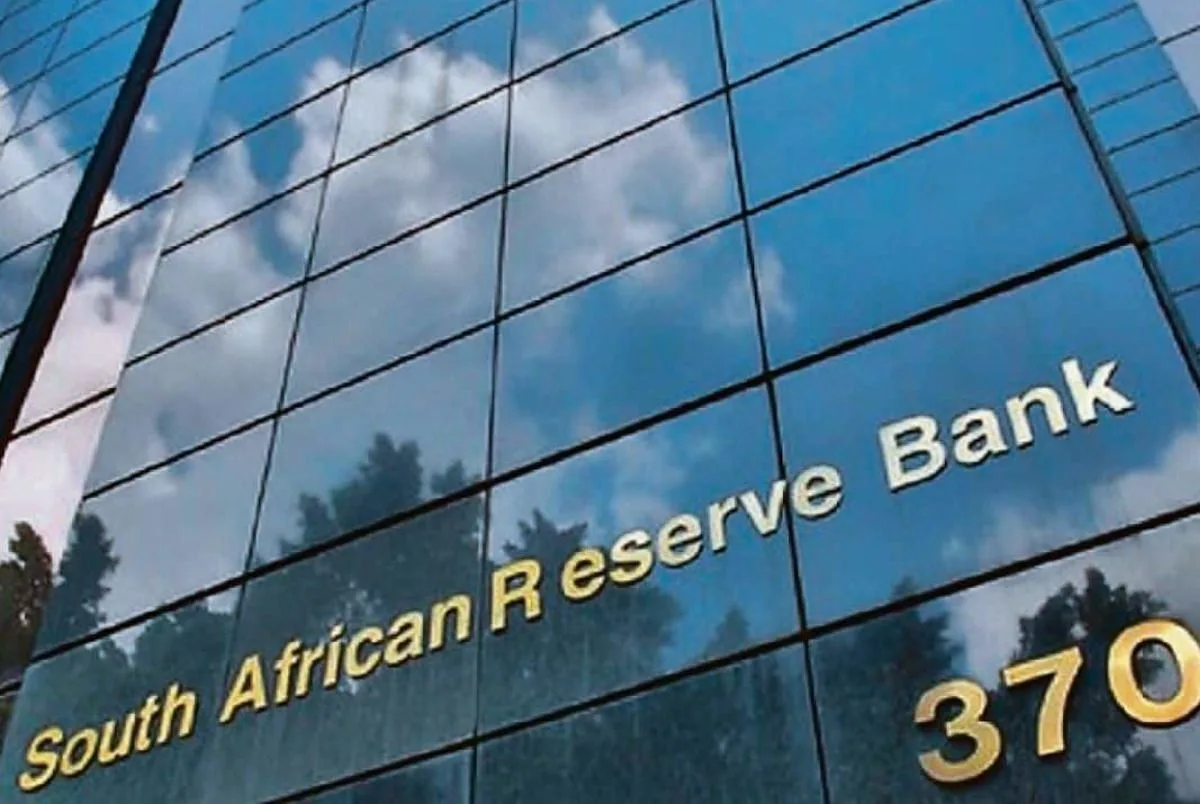
If you’ve been checking your bank balance lately with a mix of dread and hope, prepare for the former. The Monetary Policy Committee (MPC) of the South African Reserve Bank (SARB) is widely expected to push interest rates up by 25 basis points tomorrow, May 28. This move would drag the repo rate to 7%, forcing the prime lending rate to a painful 10.5%. For anyone carrying a bond, vehicle finance, or even just a hefty credit card balance, this is the kind of news that ruins a perfectly good weekend before it even starts.
This isn't just a random decision meant to keep bankers busy. Headline consumer inflation surged to 4% in April, a sharp jump from the 3.1% recorded just a month earlier in March. That number sits uncomfortably above the Reserve Bank’s preferred 3% target, leaving Governor Lesetja Kganyago and his team with very little wiggle room. When inflation hits those levels, the central bank’s go-to tool is to make borrowing money more expensive to cool down spending, even if it hurts the average person’s pockets.
The geopolitical shadow over your paycheck
Believe it or not, the chaos happening in the Middle East is the primary reason your bond payment is about to go up. Renewed geopolitical instability in that region has disrupted energy supply routes, sending global oil prices spiraling. Because South Africa relies heavily on imports for its fuel, those costs filter down to almost everything you touch. This includes the petrol you put in your car and the cost of trucking food to your local supermarket shelves.
Government tried to cushion the blow by introducing temporary fuel levy relief measures. A significant portion of that relief is being phased out, which only adds fuel to the inflationary fire. Economists are calling this the first real ripple effect of the recent global energy supply shocks, and it’s hitting local emerging markets hard. International politics is making life much more expensive for a family living in a suburb like Soweto or a flat in Sea Point.
Exactly how much more you'll cough up
For those of you wondering what this looks like in Rand and cents, the math is straightforward but unpleasant. A 25 basis point hike means you’re essentially paying back more interest to the bank every single month. If you’re sitting on a R1 million home loan, expect to find about R168 extra gone from your account each month. If you’re a high-flyer with a R5 million bond, that monthly increase jumps to R837.
- R750,000 bond: R126 extra per month
- R1,000,000 bond: R168 extra per month
- R2,500,000 bond: R419 extra per month
- R5,000,000 bond: R837 extra per month
These figures assume a 20-year term with no deposit. They highlight how quickly small percentage changes stack up when debt is involved. Banks don't hesitate to pass these repo rate increases directly onto their customers, usually within days of the MPC announcement. You’ll see the impact on your statement almost immediately, leaving little time to adjust your monthly budget.
"With inflation risks mounting, analysts believe the MPC may have little room to maintain a dovish stance."
This is just the beginning of the stress test for 2026. After the May 28 announcement, the MPC is scheduled to meet again in July, September, and November. If the inflation numbers don't show signs of calming down, this single hike might be the first in a series of bumps. For the average South African already struggling with the rising cost of living, the situation requires careful financial planning as the inflation cycle continues.