

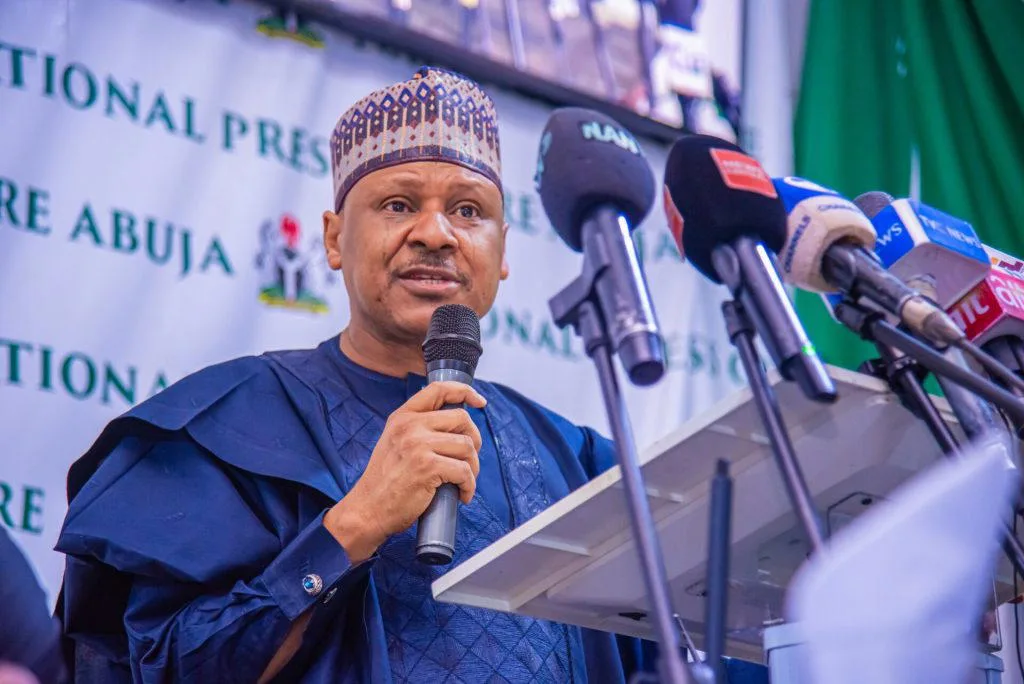
The Federal Government has reached out to Muslim faithful across the country today, asking everyone to take the spirit of Eid-el-Adha beyond just the slaughter of rams. Minister of Information and National Orientation, Mohammed Idris, issued the call this Wednesday morning, urging a collective focus on sacrifice and national solidarity.
He framed the celebration, often called the 'Festival of Sacrifice,' as a reflection of the commitment Prophet Ibrahim (AS) showed in his faith. The Minister suggested that this is a moment for Nigerians to look past the usual ethnic, religious, and political divides that often dominate our national discourse. He insists that these core values are the glue holding the nation together as we navigate the current state of the country.
Eid-el-Adha is a season that calls for reflection, unity, tolerance, and renewed commitment to the values that bind us together as one nation.
This sentiment comes at a time when the administration of President Bola Ahmed Tinubu is trying to keep the focus on its 'Renewed Hope Agenda.' The government maintains that its primary goal remains creating a more secure and inclusive Nigeria, even as many families struggle with the rising cost of basic commodities. The Minister’s plea for charity is especially urgent for those who might feel the squeeze during a festive season.
Eid-el-Adha is one of the two major festivals celebrated in Islam. Its origins are deeply tied to the narrative of Prophet Ibrahim’s willingness to sacrifice his son as an act of obedience to God. In Nigeria, the day is almost always marked by public holidays and the gathering of family members to share meals and distribute meat to neighbours and the less privileged. The practice fosters community bonds, as the meat is traditionally divided into three parts: one for the family, one for relatives or friends, and one for the poor.
Beyond the ritual, the holiday often serves as a barometer for the local economy. Market prices for livestock—goats, cows, and rams—often dictate the mood of the season, with many Nigerians feeling the pressure of inflation before the festivities even begin. The government's push for citizens to 'remember the less privileged' is a direct acknowledgment that not every household can afford the standard celebration this year.
Mohammed Idris, who serves as the chief spokesperson for the federal administration, was appointed by President Tinubu to manage the government’s image and outreach. His call for prayer and stability is part of a standard tradition where government leaders use major religious milestones to project a sense of calm and governance. The success of this messaging in bridging the gap between the administration and an exhausted public will be tested by the economic realities that emerge after the holiday.
- The Minister of Information and National Orientation, Mohammed Idris, released the statement on May 27, 2026.
- The government's 'Renewed Hope Agenda' is the central policy framework the current administration is touting.
- Prophet Ibrahim (AS) serves as the central figure whose story forms the foundation of the Eid-el-Adha holiday.
- Nigeria observes this day as a public holiday, which allows workers and students to join in the traditional communal prayers and festivities.
- The core message focused on four main pillars: sacrifice, compassion, unity, and national solidarity.