

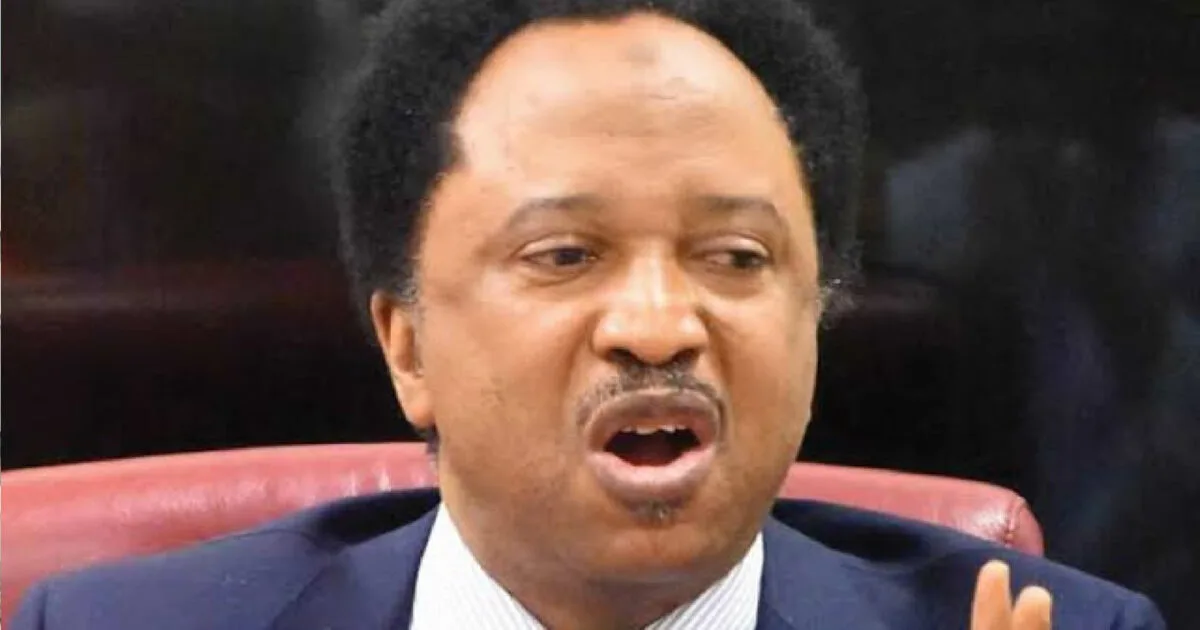
Nigerian youths have been encouraged to take an active role in politics by former Senator Shehu Sani, who believes that funding young candidates is crucial for creating a more representative government. Sani's call to action is based on the Not Too Young To Run Act, a law that aims to increase youth participation in politics by reducing the age limit for running for public office. This law, which was passed in 2018, has paved the way for younger candidates to participate in elections and has given hope to many young Nigerians who want to make a difference in their country. However, despite this progress, many young candidates still face significant challenges in terms of funding their campaigns, which is why Sani's call to action is so important. By funding young candidates, Nigerian youths can help to create a more diverse and representative government that truly reflects the needs and aspirations of the country's young people.
The Not Too Young To Run Act is a significant piece of legislation that has the potential to transform Nigeria's political landscape. By reducing the age limit for running for public office, the law has given younger candidates the opportunity to participate in elections and bring fresh ideas and perspectives to the table. However, as Sani has pointed out, funding is a major challenge for many young candidates, which is why it's so important for Nigerian youths to get involved and support these candidates financially. This can be done through donations, volunteering, or spreading the word about the candidates and their campaigns. Every little bit counts, and by working together, Nigerian youths can help to create a more vibrant and inclusive democracy.
Shehu Sani is a well-known figure in Nigerian politics, having served as a senator from 2015 to 2019. During his time in office, he was a strong advocate for social justice and human rights, and he continues to be a vocal critic of corruption and bad governance. Sani's call to action is therefore not surprising, given his long history of advocating for the rights and interests of young people. However, his statement has sparked a lot of interest and debate, with many Nigerians welcoming his call to action and urging young people to get involved in politics. Others have criticized Sani's statement, arguing that it's not enough to simply fund young candidates, and that more needs to be done to address the underlying issues that prevent young people from participating in politics.
The issue of youth participation in politics is a complex and multifaceted one, and there are no easy solutions. However, by funding young candidates and supporting them in their campaigns, Nigerian youths can help to create a more diverse and representative government that truly reflects the needs and aspirations of the country's young people. This is not just a matter of demographics; it's also a matter of ensuring that the government is accountable to all citizens, regardless of age or background. As Sani has pointed out, young people have a critical role to play in shaping Nigeria's future, and it's up to them to take an active role in politics and demand the change they want to see.
Key Facts
- Shehu Sani is a former Nigerian senator who served from 2015 to 2019.
- The Not Too Young To Run Act was passed in 2018 and reduces the age limit for running for public office.
- The law aims to increase youth participation in politics and create a more diverse and representative government.
- Funding is a major challenge for many young candidates in Nigeria.
- Shehu Sani has called on Nigerian youths to fund young candidates and support them in their campaigns.
- The issue of youth participation in politics is complex and multifaceted, and there are no easy solutions.
Background to the Not Too Young To Run Act
The Not Too Young To Run Act was a response to the widespread discontent among young Nigerians who felt that they were being excluded from the political process. For many years, Nigeria's political landscape has been dominated by older, more established politicians, who have often been accused of being out of touch with the needs and aspirations of the country's young people. The Act was therefore a major step forward, as it gave younger candidates the opportunity to participate in elections and bring fresh ideas and perspectives to the table. However, as Sani has pointed out, the Act is only the first step, and more needs to be done to support young candidates and ensure that they have the resources they need to succeed.
The Not Too Young To Run Act has been widely praised as a positive step towards increasing youth participation in politics. However, it's not without its challenges, and many young candidates have reported facing significant obstacles in terms of funding and support. This is why Sani's call to action is so important, as it highlights the need for Nigerian youths to get involved and support young candidates in their campaigns. By working together, young people can help to create a more vibrant and inclusive democracy that truly reflects the needs and aspirations of all Nigerians.
The Importance of Youth Participation in Politics
Youth participation in politics is critical for creating a more diverse and representative government. When young people are involved in the political process, they bring fresh ideas and perspectives to the table, which can help to drive innovation and progress. They also help to ensure that the government is accountable to all citizens, regardless of age or background. However, despite the importance of youth participation, many young Nigerians have been discouraged from getting involved in politics due to the many challenges they face. These challenges include lack of funding, lack of support, and the dominance of older, more established politicians.
"The future of Nigeria belongs to the young people, and it's up to them to take an active role in shaping it," says Shehu Sani. This statement highlights the importance of youth participation in politics and the need for young people to get involved in the political process. By funding young candidates and supporting them in their campaigns, Nigerian youths can help to create a more vibrant and inclusive democracy that truly reflects the needs and aspirations of all Nigerians.
The Role of Social Media in Youth Participation
Social media has played a significant role in increasing youth participation in politics in Nigeria. Platforms like Twitter, Facebook, and Instagram have given young people the opportunity to connect with each other, share ideas, and mobilize around social and political issues. They have also provided a platform for young candidates to reach out to voters and promote their campaigns. However, social media is not without its challenges, and many young people have reported facing online harassment and intimidation. This is why it's so important for social media companies to take steps to protect their users and ensure that their platforms are safe and inclusive.
The Challenges Facing Young Candidates
Young candidates in Nigeria face many challenges, including lack of funding, lack of support, and the dominance of older, more established politicians. These challenges can be daunting, and many young candidates have reported feeling discouraged and disillusioned. However, despite these challenges, many young people are determined to succeed and make a difference in their country. By funding young candidates and supporting them in their campaigns, Nigerian youths can help to level the playing field and create a more inclusive and representative democracy.
The Future of Nigerian Politics
The future of Nigerian politics is uncertain, but one thing is clear: young people will play a critical role in shaping it. As Shehu Sani has pointed out, the future of Nigeria belongs to the young people, and it's up to them to take an active role in shaping it. By getting involved in politics, funding young candidates, and supporting them in their campaigns, Nigerian youths can help to create a more vibrant and inclusive democracy that truly reflects the needs and aspirations of all Nigerians. This will not be easy, and there will be many challenges along the way. However, with determination, hard work, and a commitment to creating positive change, young people can help to build a brighter future for themselves and for their country.
Conclusion
In conclusion, Shehu Sani's call to action is an important reminder of the need for Nigerian youths to get involved in politics and support young candidates in their campaigns. By funding young candidates and supporting them in their campaigns, Nigerian youths can help to create a more diverse and representative government that truly reflects the needs and aspirations of the country's young people. This is not just a matter of demographics; it's also a matter of ensuring that the government is accountable to all citizens, regardless of age or background. As Sani has pointed out, young people have a critical role to play in shaping Nigeria's future, and it's up to them to take an active role in politics and demand the change they want to see.