

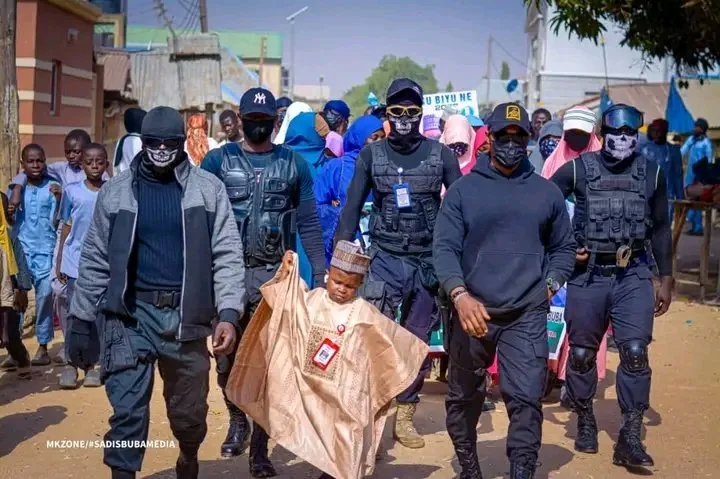
Mahmud Sadis Buba, a 30-year-old APC aspirant, has made headlines by passing the screening for the Kaduna Reps seat. His youthful appearance has sparked online conversations, with many Nigerians taking to social media to express their surprise and admiration. Buba's achievement is significant, given the traditional dominance of older politicians in Nigerian politics. This development has raised hopes for younger generations, who are eager to see more representation in the country's leadership. As the news broke, many couldn't help but wonder what this means for the future of Nigerian politics.
The screening process, which is a crucial step towards candidacy, has given Buba a boost in his bid to represent Kaduna in the House of Representatives. His success has also highlighted the APC's efforts to promote youth participation in politics. The party has been working to increase the number of younger candidates, in a bid to appeal to a wider range of voters. Buba's screening is a significant step towards this goal, and it will be interesting to see how his campaign unfolds. As the elections approach, Nigerians will be watching closely to see if Buba can capitalize on his momentum.
The reaction to Buba's screening has been largely positive, with many Nigerians praising his courage and ambition. However, some have also raised concerns about his experience and qualifications. As a 30-year-old, Buba is relatively young compared to other politicians in Nigeria. This has led some to question whether he has the necessary experience to represent Kaduna effectively. Despite these concerns, Buba's supporters argue that his youth and energy could be an asset in Nigerian politics.
They point to his ability to connect with younger voters and bring a fresh perspective to the table.
As the news of Buba's screening continues to spread, it's clear that this development has significant implications for Nigerian politics. The country has a long history of older politicians dominating the landscape, and Buba's success could mark a shift towards a more youthful and diverse leadership. This could have far-reaching consequences, from changing the way policies are made to increasing voter engagement among younger Nigerians. As the elections approach, it will be interesting to see how Buba's campaign unfolds and whether he can capitalize on his momentum.
Key Facts
- Mahmud Sadis Buba is a 30-year-old APC aspirant.
- He has passed screening for the Kaduna Reps seat.
- Buba's youthful appearance has sparked online conversations.
- The screening process is a crucial step towards candidacy.
- The APC has been working to promote youth participation in politics.
- Buba's success has raised hopes for younger generations in Nigerian politics.
- The reaction to Buba's screening has been largely positive.
- Some have raised concerns about Buba's experience and qualifications.
- Buba's supporters argue that his youth and energy could be an asset in Nigerian politics.
Background on Nigerian Politics
Nigerian politics has traditionally been dominated by older politicians. This has led to a lack of representation for younger generations, who are eager to see more diversity in the country's leadership. The APC's efforts to promote youth participation are a significant step towards addressing this issue. By encouraging younger candidates to run, the party is hoping to appeal to a wider range of voters and bring fresh perspectives to the table. This approach has been successful in other countries, where younger politicians have been able to connect with voters and drive positive change.
The dominance of older politicians in Nigerian politics is largely due to the country's history and cultural context. In Nigeria, age is often seen as a sign of wisdom and experience, and older politicians are often viewed as more qualified to lead. However, this has led to a lack of representation for younger generations, who are eager to see more diversity in the country's leadership. The APC's efforts to promote youth participation are a significant step towards addressing this issue, and Buba's success is a testament to the party's commitment to this goal.
As the elections approach, it will be interesting to see how Buba's campaign unfolds. Will he be able to capitalize on his momentum and connect with voters, or will his lack of experience hold him back? The answer to this question will depend on a range of factors, from Buba's policies and message to the broader political context in Nigeria. One thing is certain, however: Buba's success has raised hopes for younger generations, and his campaign will be closely watched by Nigerians and international observers alike.
The Role of Social Media
Social media has played a significant role in Buba's success, with many Nigerians taking to platforms like Twitter and Facebook to express their support and admiration. The online conversation around Buba's screening has been largely positive, with many praising his courage and ambition. This has helped to raise Buba's profile and build momentum for his campaign. As the elections approach, it will be interesting to see how social media continues to shape the narrative around Buba and other candidates.
Social media has become an essential tool for politicians in Nigeria, allowing them to connect with voters and build support. In a country where traditional media outlets are often dominated by older politicians, social media provides a platform for younger candidates to reach a wider audience. This has been particularly important for Buba, who has used social media to build a following and promote his campaign. As the elections approach, it will be interesting to see how social media continues to shape the narrative around Buba and other candidates.
The APC's Youth Strategy
The APC's efforts to promote youth participation in politics are a significant step towards addressing the lack of representation for younger generations. By encouraging younger candidates to run, the party is hoping to appeal to a wider range of voters and bring fresh perspectives to the table. This approach has been successful in other countries, where younger politicians have been able to connect with voters and drive positive change. The APC's youth strategy is a key part of the party's efforts to revitalize its image and appeal to a new generation of voters.
The APC's youth strategy is not without its challenges, however. The party has faced criticism for its handling of younger candidates, with some arguing that the party is not doing enough to support them. This has led to tensions between the party's leadership and its younger members, who are eager to see more opportunities for advancement. Despite these challenges, the APC's efforts to promote youth participation are a significant step towards addressing the lack of representation for younger generations.
The Future of Nigerian Politics
As the elections approach, it's clear that Nigerian politics is at a crossroads. The country is facing a range of challenges, from economic stagnation to insecurity and corruption. The next generation of leaders will play a critical role in addressing these challenges and driving positive change. Buba's success is a testament to the potential for younger politicians to make a difference, and his campaign will be closely watched by Nigerians and international observers alike.
The future of Nigerian politics belongs to the youth, and it's time for us to take our rightful place at the table. We're not just the leaders of tomorrow; we're the leaders of today, and it's time for us to start making our mark.
As the elections approach, it will be interesting to see how Buba's campaign unfolds and whether he can capitalize on his momentum. The answer to this question will depend on a range of factors, from Buba's policies and message to the broader political context in Nigeria. One thing is certain, however: Buba's success has raised hopes for younger generations, and his campaign will be closely watched by Nigerians and international observers alike.
Conclusion
In conclusion, Mahmud Sadis Buba's success in passing the screening for the Kaduna Reps seat is a significant development in Nigerian politics. His youthful appearance has sparked online conversations, and his campaign will be closely watched by Nigerians and international observers alike. As the elections approach, it will be interesting to see how Buba's campaign unfolds and whether he can capitalize on his momentum. The future of Nigerian politics is uncertain, but one thing is clear: the next generation of leaders will play a critical role in shaping the country's future.