

Deregulation Must Not Become An Avenue for Profiteering
The single sharpest fact in one or two punchy sentences. Who did what, where, when, and why it matters. Not a summary of everything — the one thing that makes someone stop scrolling. A reader who only reads this paragraph must understand what happened.
The Federal Government has directed the Nigerian Midstream and Downstream Petroleum Regulatory Authority (NMDPRA) to ensure that petroleum marketers do not exploit Nigerians through excessive pricing under the deregulated downstream petroleum market. Minister of State for Petroleum Resources (Oil), Senator Heineken Lokpobiri, gave the directive in Abuja yesterday while delivering the keynote address at the NMDPRA General Counsel and Legal Advisers Forum.
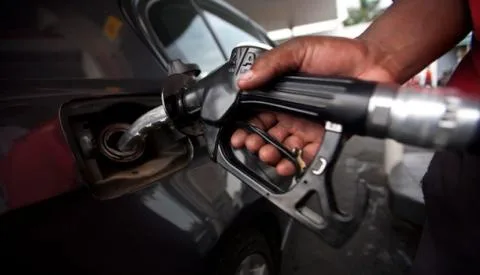
Lokpobiri said although the downstream sector had been fully deregulated, the regulator must ensure that deregulation does not become an avenue for profiteering at the expense of consumers. According to him, following de-escalation of tensions in the Middle East and decline in global crude prices, Nigerians expected corresponding reductions in the pump price of Premium Motor Spirit, PMS, popularly known as petrol. However, this is yet to happen, as refiners and marketers have continued to sell petrol at elevated pump prices despite the significant decline in crude oil prices from a peak of $120 per barrel to about $72 per barrel last week.
### Market Forces to Eventually Restore Equilibrium The Minister further stated that market forces will eventually restore equilibrium, but the regulator also has a statutory responsibility to ensure that deregulation does not become an avenue for profiteering. This must be done in line with the extant provisions of the Petroleum Industry Act.
### Dangote Refinery Sets Market Prices The Petroleum Industry Act has given the regulator the architecture to transform Nigeria's petroleum industry, but building investor confidence now depends on consistent and predictable regulation. Senator Lokpobiri noted that the refinery industry has reached a stage where regulatory certainty, transparency, and investor confidence has become more important than mere compliance with regulations.
### Consumers Deserve Correct Quantity of Product Lokpobiri also charged the NMDPRA to intensify monitoring to ensure consumers receive the correct quantity of fuel purchased at filling stations. He said: ‘What is the regulator doing?’Lokpobiri asks ‘When someone pays for 10 litres of Premium Motor Spirit, they should receive exactly 10 litres, not less.’
### Regulatory Certainty Key to Stability The Secretary and Legal Adviser, NMDPRA, Dr Joseph Tolorunse, explained that regulatory certainty has ensured stability of fiscal rules throughout the lifespan of projects and prevented policy reversals. Tolorunse noted that the law has made Nigeria’s oil and gas industry more competitive, adding that increased competitiveness will attract investment, with “investment leading to growth.”
### NMDPRA Shifts Focus from Compliance to Certainty Chief Executive of NMDPRA, Mallam Rabiu Umar, said the petroleum industry has reached a stage where regulatory certainty, transparency, and investor confidence has become more important than mere compliance with regulations. Umar noted that the implementation of the PIA shifted focus from what the law provided to how it is being implemented and whether it is delivering the certainty required by investors. He said: “Compliance remains the foundation. The broader objective is to create a petroleum industry characterised by certainty, predictability, transparency and confidence.”