

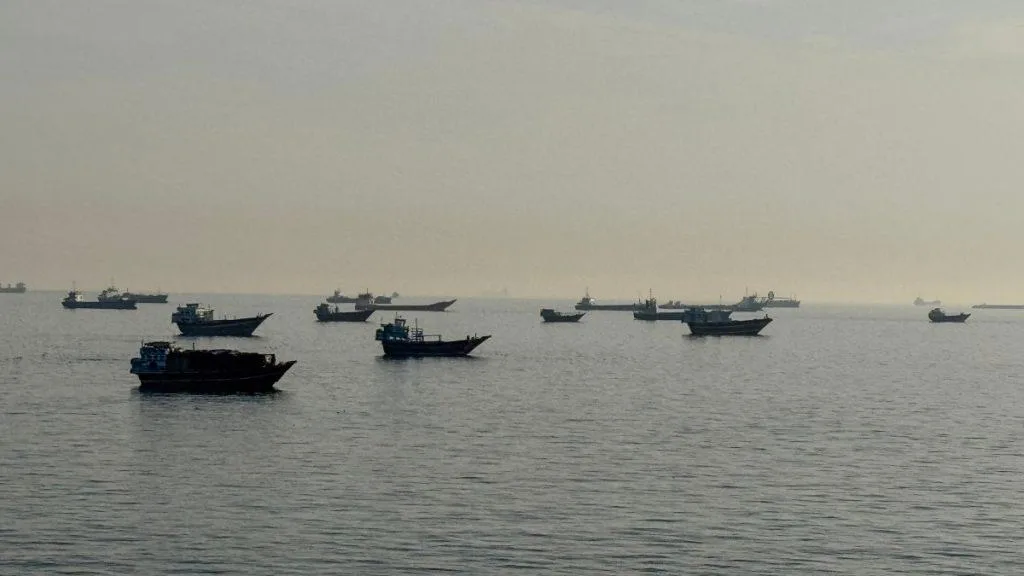
The Strait of Hormuz has been Iranian, is Iranian, and will remain Iranian.
Iran on Saturday fired back at US President Donald Trump’s claim that he would soon declare the Strait of Hormuz part of US territory, saying the crucial energy waterway it has blockaded “will remain Iranian”. Trump has repeatedly said the strait, which Tehran effectively closed at the start of the Middle East war in late February, is under US control — an assertion the Islamic republic denies.
The US President made the claim at a political rally in New York state on Friday, stating that after the US defeats Iran, “pretty soon I’ll be declaring the Hormuz Strait a territory of the United States”. However, an unnamed White House official later clarified that Trump was joking, according to the Wall Street Journal.
But Iran is not laughing, with the country’s Deputy Foreign Minister Kazem Gharibabadi saying the strait is and will continue to be under the country’s control. He made the statement on the social media platform X, stating, “This strait will only be closed and opened under Iran’s command.”
Iran's demand for control of the Strait of Hormuz is backed by a number of conditions laid out last week by a top Iranian official, including an end to what they term the “war and aggression against Iran and its allies in Lebanon, Palestine, Yemen, and Iraq.” The official, Mohammad Bagher Zolghadr, also demanded an end to crippling sanctions, the release of frozen assets, and compensation for wartime damage.
As the diplomatic standoff between the two countries continues, attacks on vessels passing through the strait have continued, highlighting the risks to regional shipping. The United Arab Emirates' state-owned oil giant ADNOC reported on Saturday that one of its vessels came under attack the night before, while on Friday, the Gulf nation blamed Iran for attacks on two vessels linked to ADNOC as they passed through the strait.
The attacks are a stark reminder of the ongoing tensions in the region. The US has imposed a retaliatory blockade of Iranian ports in an attempt to cripple the country's economy. US President Trump said earlier this week that keeping energy prices low for Americans is the top priority in the Iran conflict, with preventing Tehran from acquiring a nuclear weapon ranking second.
The closure of the Strait of Hormuz has had significant economic implications, with oil prices surging since the dispute erupted. The strait is responsible for carrying around a fifth of the world’s oil and LNG exports, making it a crucial waterway for global trade.
Despite the ongoing tensions, Iran has signaled a willingness to cooperate with Oman on managing the Strait of Hormuz. The US has imposed its own retaliatory blockade of Iranian ports in an attempt to cripple the country's economy.