

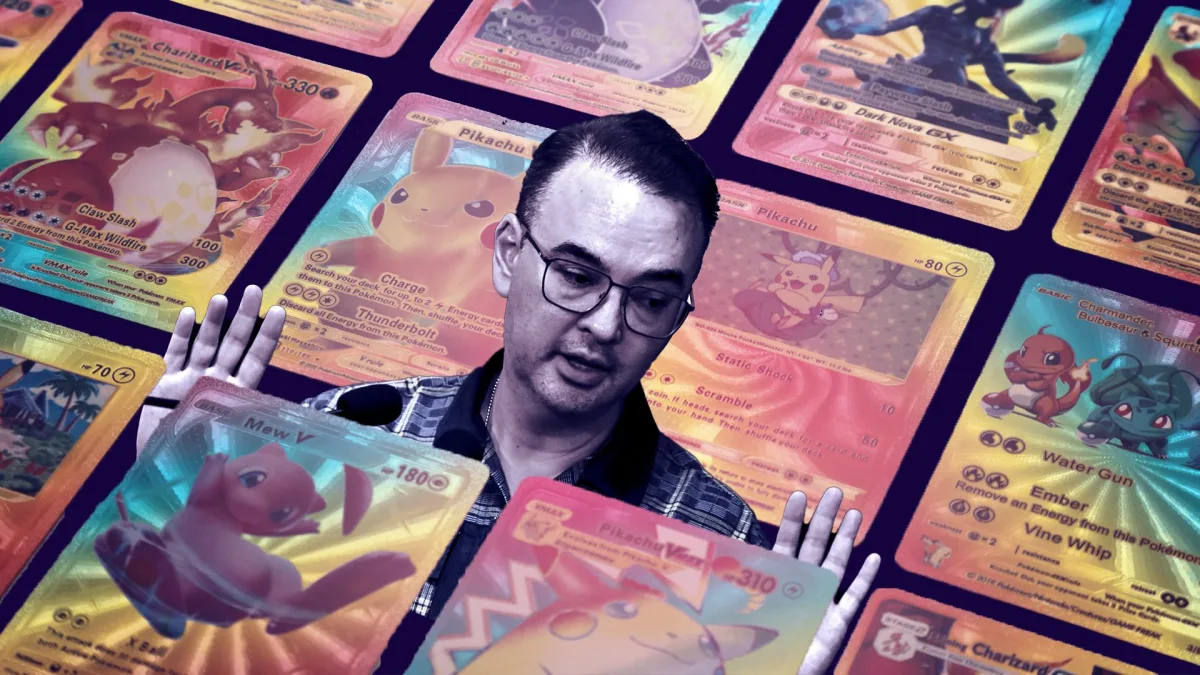
When a politician decides that the best way to explain a national political crisis is by comparing his colleagues to characters from a children’s card game, you can bet the internet will react with pure chaos. Alan Peter Cayetano, a veteran of Philippine politics, found himself on the receiving end of a digital mob last weekend after using a Pokémon-themed analogy to break down the ongoing drama inside the Senate. It didn't go well, and the reaction was more than just eye-rolling.
Social media platforms like X were flooded with comments from people who felt the comparison was shallow and disrespectful to a franchise that has grown into a massive global industry. One user bluntly posted, “Pokemon ng ina mo, Cayetano!” capturing the general mood of a public that is already exhausted by the Senate’s reputation. Hardcore fans of the trading card game—who are well aware that Cayetano is a known collector often spotted at conventions—felt he was making a mockery of their hobby. It felt like he was trying to dumb down a complex situation for 'the kids,' but as many pointed out, the kids would've probably just preferred if he opened a few booster packs instead of talking.
"If I was a senator, I would keep my Pokemon TCG collection on the down low. Why would you even flaunt this expensive hobby when the majority of poor Filipinos are struggling financially?"
This sentiment touches on a reality that goes way beyond the halls of the Senate: Pokémon cards aren't just cardboard rectangles featuring Pikachu or Charizard anymore. Over the last thirty years, the brand has exploded into a $147 billion behemoth. It has surpassed giants like Batman and Star Wars to become the highest-grossing media franchise in history. With 75 billion cards floating around the world, the market has transformed into a high-stakes arena. A single piece of cardstock can be worth more than a luxury house in a gated subdivision in Metro Manila.
Take the case of Logan Paul, the famous internet personality. In 2021, he dropped over $5 million on a rare Pikachu Illustrator card, only to sell it later for a staggering $16.5 million. When you have prices hitting those numbers, the hobby stops being about nostalgia and starts looking like an unregulated stock market. Experts are now calling these cards 'blue-chip art' because they're easily portable and globally recognized.
Because these cards are small, lightweight, and worth a fortune, they've unfortunately caught the attention of criminal syndicates. Reports from The Telegraph have revealed that authorities in Spain and Sweden successfully busted money-laundering rings using Pokémon cards to move illicit funds across borders. It's much easier to sneak a suitcase full of rare, slabbed cards through customs than a suitcase bulging with cold, hard cash. This creates a weird intersection where professional investors, crypto-traders, and actual criminals all end up bidding on the same deck of cards.
Physical stores have become targets. CNN documented a string of high-profile robberies across major cities, from Las Vegas to Nottingham, where thieves bypassed jewelry and went straight for the display cases housing rare cards. For a collector, a perfect 'grade 10' card is a masterpiece. For a criminal, it's essentially a high-value currency that's difficult to trace. The average annual return on these cards, estimated at 46% by Fortune, has outpaced traditional investments like the S&P 500.
This makes them a magnet for 'investors' who don't care about the game itself but strictly about the price tag.
This reality makes Cayetano’s choice of metaphor feel especially out of touch. While he was trying to use a 'relatable' hobby to explain governance, he was really touching on a market defined by hyper-capitalism and, occasionally, crime. It’s hard for the average Filipino struggling with inflation to find the charm in a card game when it’s being treated like a speculative asset for the wealthy. Next time, a different analogy would be better. Or better yet, just leave the monsters out of the politics entirely.
Charizard doesn't deserve the stress.