

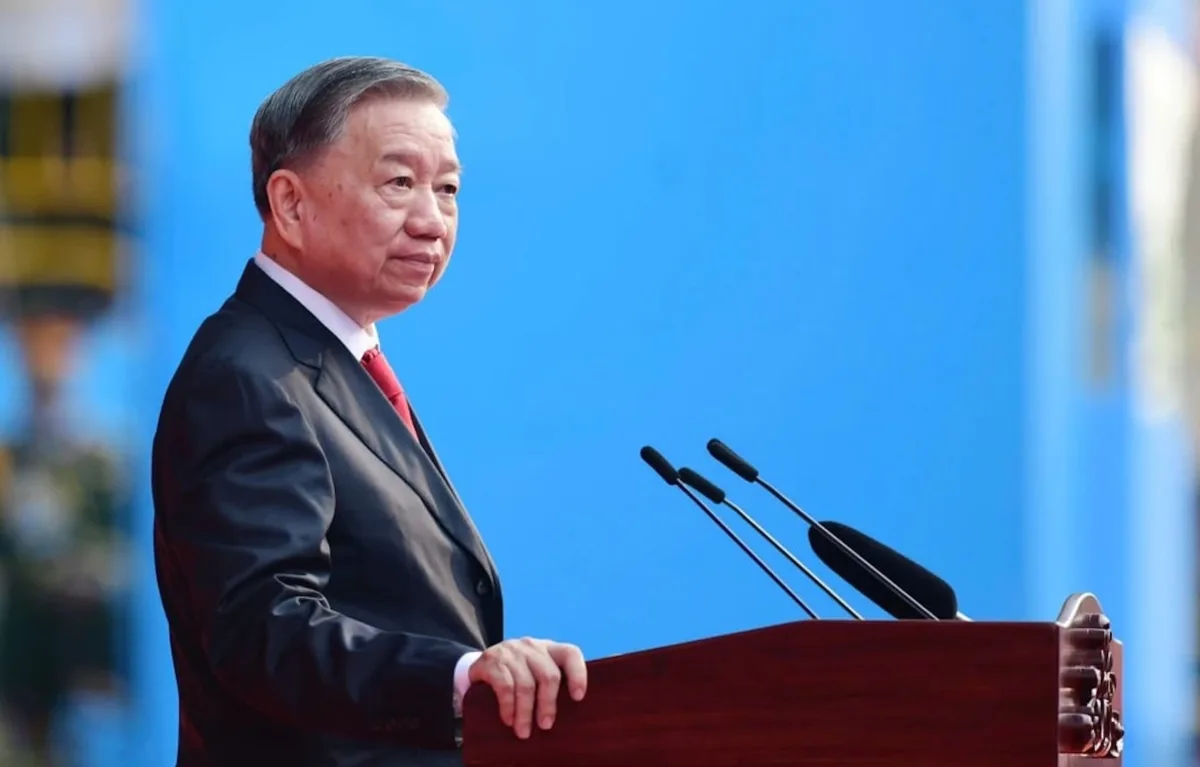
It’s not every day that the most powerful man in Vietnam decides to drop by for a two-day state visit. From May 31 to June 1, President Ferdinand Marcos Jr. will be rolling out the red carpet for To Lam, who holds the dual titles of president and Communist Party chief. This visit isn't just about diplomatic pleasantries and fancy dinners. It’s a calculated move to lock in agreements on trade, security, and the increasingly tense waters of the South China Sea.
To Lam is currently wrapping up a regional tour that would make any frequent flyer exhausted. He’s stopping in Thailand this Wednesday before jetting off to Singapore on Friday to deliver the keynote address at the Shangri-La Dialogue. This annual security gathering is a major event where military brass and politicians from around the world meet to discuss how to keep the peace in Asia. His visit to Manila immediately after this highlights how much Vietnam values its relationship with the Philippines right now.
Since President Ferdinand Marcos Jr. took the reins, he’s been on a mission to widen the Philippines' circle of friends. You’ve probably noticed the surge in military exercises—most recently, the massive multilateral drills held just last month. By inviting To Lam, the Malacañang is signalling that they aren't just relying on traditional Western allies. They’re building a neighbor-to-neighbor defense network to stand up against the growing assertiveness of Chinese vessels in our territory.
Partners in the South China Sea
Manila and Hanoi share a unique kind of camaraderie, even if it sounds surprising given the territorial disputes. While both countries have overlapping claims to various features in the Spratly Islands, they rarely let it turn into a fistfight. In fact, their navies have even been known to organize sports matches while stationed in the area. It’s a bit of a "keep your friends close, but keep your neighbors closer" vibe, wouldn't you say?
This friendship reached a new milestone in 2024 when the two countries' coast guards held their first-ever joint exercises. These drills were a clear message that cooperation is the preferred path, even when things get rocky with Beijing. Both nations have spent years dealing with standoffs at sea, where Chinese ships frequently challenge their presence. Working together on maritime safety acts as a signal that the two nations are watching and working as one.
To Lam’s internal standing offers insight into his diplomatic weight. In April, he made his first overseas trip to Beijing to meet with President Xi Jinping. His double mandate as both president and party chief makes him the most powerful figure in Vietnamese politics in decades. Because he holds the highest authority in Hanoi, any deal signed here possesses the necessary backing to be enforced.
"We are looking to build a network of partnerships to ensure stability and prosperity in the region."
Beyond the defense talk, the economic side of this visit is huge for everyday Filipinos. Vietnam is a major player in rice exports and electronics manufacturing, two sectors where our economies can really complement each other. The goal for this visit is to turn that latent potential into concrete trade deals. If we can get smoother trade routes and better cooperation on maritime security, it means more than just peace of mind; it means better business for our ports and potentially cheaper goods for your local market.
What happens after To Lam’s flight departs on June 1 will be the real test. We aren't just looking at signatures on a paper; we’re looking at the start of a sustained, deeper military and economic integration. With the regional security landscape shifting faster than a Manila jeepney in traffic, this visit is definitely one to watch. It’s a clear move to ensure that, no matter what happens in the South China Sea, we aren't facing it alone.