

Super Typhoon Bavi: A Growing Threat to the Philippines
The single sharpest fact in one or two punchy sentences. Who did what, where, when, and why it matters. Not a summary of everything — the one thing that makes someone stop scrolling. A reader who only reads this paragraph must understand what happened.
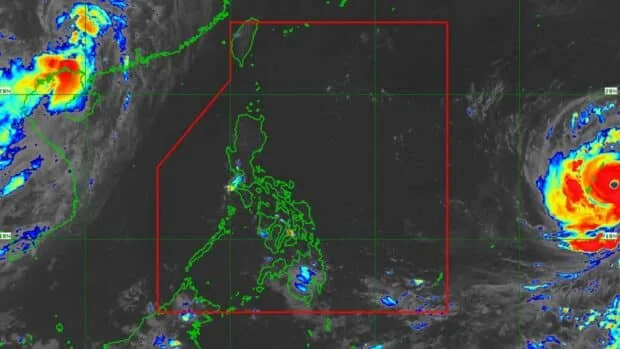
Super Typhoon Bavi remained outside the Philippine area of responsibility (PAR) as of 3 a.m., but it may enter PAR by Wednesday morning, according to weather bureau Pagasa. The cyclone is packing maximum sustained winds of 195 kilometers per hour and may bring heavy rain to various regions.
Pagasa said isolated rain showers and thunderstorms remain possible due to the easterlies and localized thunderstorms. The weather bureau said the easterlies, or warm winds coming from the Pacific Ocean, are affecting the eastern sections of Luzon and the Visayas.
Cagayan Valley, Bicol Region, Eastern Visayas, Aurora, Quezon, and Dinagat Islands may experience partly cloudy to cloudy skies with isolated rain showers or thunderstorms, while Metro Manila and the rest of the country will also have partly cloudy to cloudy skies with isolated rain showers or thunderstorms.
Pagasa warned that severe thunderstorms could still trigger flash floods or landslides in vulnerable areas. Bavi was located 2,700 kilometers east of Eastern Visayas, packing gustiness of up to 240 km/h while moving westward at 15 km/h.
Forecasters said landfall in any part of the country remains less likely at this time, although the supertyphoon could pass close to extreme northern Luzon or the Batanes area.
Pagasa advised the public, particularly residents in northern Luzon and areas along the eastern seaboard, to continue monitoring updates as the track and intensity forecast may still change in the coming days.
Key Facts
- Super Typhoon Bavi may enter the Philippine area of responsibility (PAR) by Wednesday morning.
- The cyclone is packing maximum sustained winds of 195 kilometers per hour.
- Bavi is moving westward at 15 km/h.
- The weather bureau warned that severe thunderstorms could still trigger flash floods or landslides in vulnerable areas.
- Residents in northern Luzon and areas along the eastern seaboard are advised to continue monitoring updates.
A History of Super Typhoons in the Philippines
The Philippines is a tropical country in Southeast Asia that is prone to powerful typhoons, especially during the Pacific typhoon season. Super Typhoon Bavi is the latest in a series of powerful storm systems that have affected the country in recent years.
According to records, the Philippines has experienced numerous powerful typhoons over the years, including Super Typhoon Yolanda, which made landfall in 2013, and Super Typhoon Haiyan, which ravaged the country in 2013. These storms have caused widespread damage and loss of life, and have left a lasting impact on the country's infrastructure and economy.
What Happens Next
The Philippine government is closely monitoring the situation and has advised residents in affected areas to be prepared for potential landfall. Residents are also advised to follow evacuation orders and to stay away from areas prone to flooding.
Pagasa will continue to provide updates on the storm's track and intensity, and residents are advised to stay tuned to local news and weather reports for the latest information.
This story has been updated to reflect the latest information from Pagasa.