

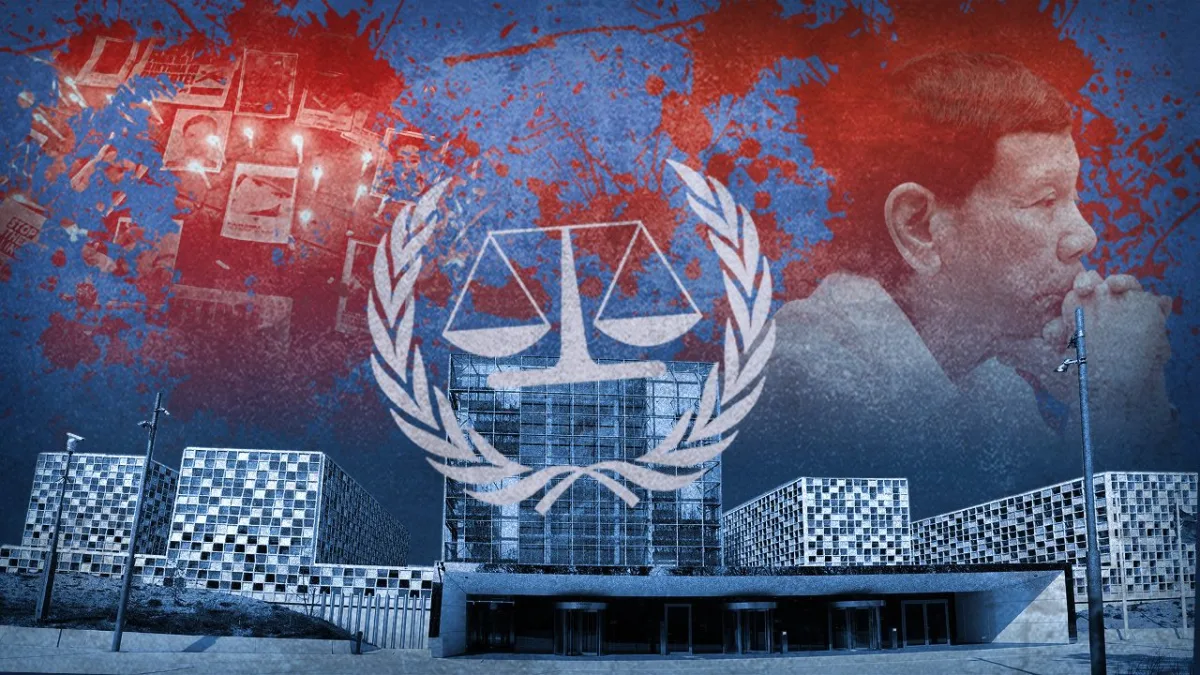
The International Criminal Court (ICC) Trial Chamber III is gathering today, May 27, for a status conference that brings the long-running saga of the former Philippine president's "war on drugs" into a new, technical chapter. This session isn't the main trial itself, but rather the boardroom equivalent where lawyers and judges map out the rules of engagement. They're deciding when exactly the trial starts, how to handle sensitive evidence, and which languages will be spoken when the actual fireworks begin.
Rodrigo Duterte has opted out of this specific appearance. He waived his right to be present for the initial hearing, effectively letting his legal team handle the heavy lifting while he remains in the Philippines. This is a common move in international law for defendants who don't want to fly across the world for procedural check-ins. It highlights the growing distance between the Hague-based court and the man once called 'The Punisher' by his supporters.
Kristina Conti, the assistant to the counsel, noted that this is likely the first of at least two, and quite possibly more, of these meetings. The goal is to avoid chaos. You can't just throw a case involving thousands of alleged victims onto a stage without clear guidelines. They must establish rules on how to use audio-visual links for witnesses who might be living in remote provinces and are terrified of retribution. They need to ensure that when a witness speaks, their voice is heard clearly without technological hiccups ruining a critical testimony.
The Anatomy of the ICC Case
The ICC process began moving rapidly after the Pre-Trial Chamber formally confirmed the case against Rodrigo Duterte. These charges stem from the brutal campaign against illegal drugs that defined his presidency from 2016 to 2022, which saw thousands of suspected dealers and users killed in police operations or by unidentified gunmen. Human rights groups estimate the death toll is significantly higher than the official police counts. This creates a massive paper trail of extrajudicial killing allegations that the court is now tasked with sifting through.
Unlike local courts in Manila or Cebu, the ICC functions on a different clock and with different rules of evidence. Prosecutors must prove that these killings weren't just isolated police errors but part of a systematic state policy. They're looking for direct links between the orders issued in Malacañang and the bodies found on the streets of Tondo or Davao. It's a complex puzzle that involves connecting public pronouncements made on late-night national television to specific violent events on the ground.
"There will be at least two [conferences], but probably more in our case," Kristina Conti said, explaining the logistical hurdle of bringing such a high-profile case to fruition.
Logistical Hurdles Ahead
The court has to solve the language problem, too. With witnesses, police officers, and victims coming from different parts of the country, they need to settle on English and Filipino, perhaps even regional dialects, for the transcript. Interpreters must be certified and ready to handle the heavy emotional weight of the testimonies. If they get a single translation word wrong, the defense will use it to hammer the prosecution’s credibility. They're being extra careful to avoid such errors.
Deadlines for evidence submissions are another headache. The prosecution has to hand over thousands of documents, photos, and medical reports to the defense teams before they can even set an opening date for the trial. This is a game of chess, not a sprint. If the defense complains they haven't received enough data, the judges will push the trial back. The families of the victims will have to wait even longer for a potential verdict.
For the ordinary Filipino watching from home, the 3:30 pm livestream represents a rare chance to see a global institution challenge a leader who seemed untouchable for years. It isn't just about the verdict anymore; it's about whether an international body can effectively pierce the wall of domestic politics. The process is slow, expensive, and often confusing, but it’s moving as the court works toward a final resolution.