

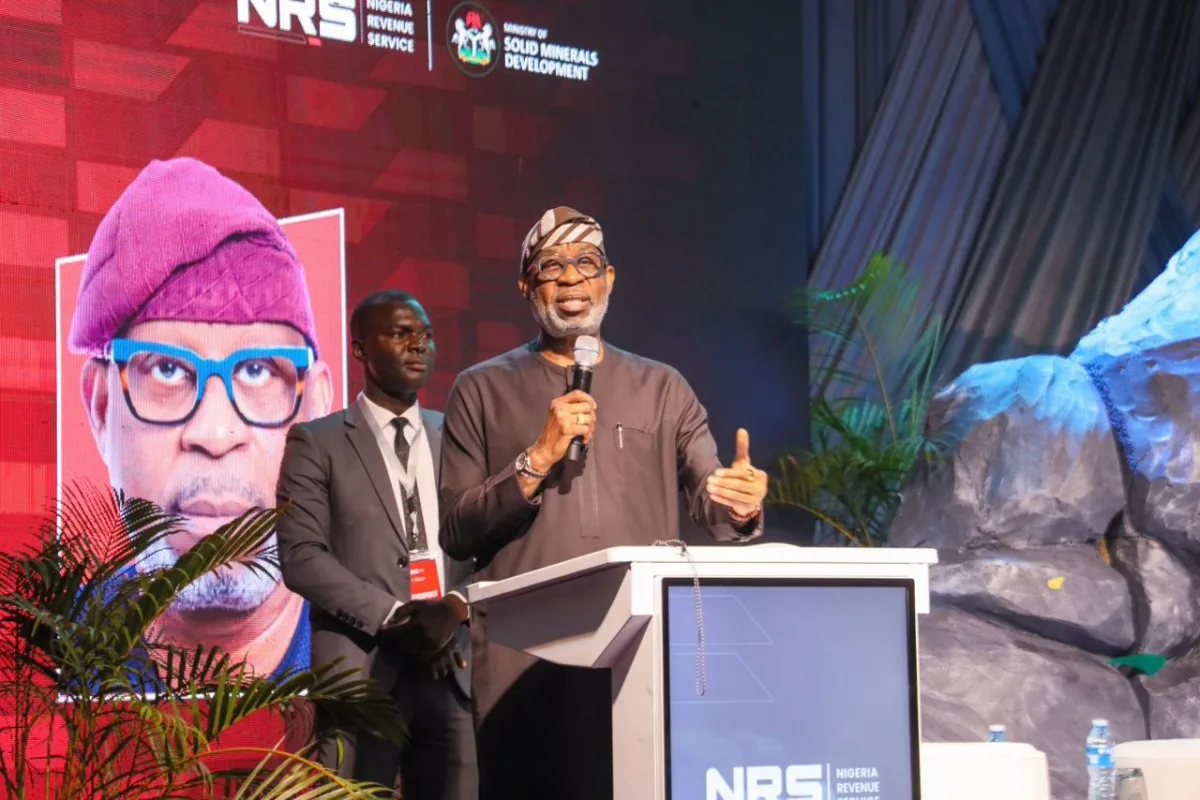
The Minister of Solid Minerals Development, Dele Alake, says President Bola Ahmed Tinubu's economic reforms are repositioning Nigeria's economy for sustainable growth. He made this statement at a joint stakeholders' sensitisation meeting in Abuja. Alake stated that the mining sector is now attracting fresh investments and renewed investor confidence.
The minister pointed to fresh investments in lithium processing, gold refining, and local value addition as proof that the reforms are working. These investments are already creating jobs. They're also boosting industrial growth and strengthening the economy. Alake knows that Nigeria can't afford to rely heavily on oil while neglecting the vast opportunities in the solid minerals sector.
The Federal Government is intensifying efforts to combat illegal mining. It's also building a more transparent, responsible, and investor-friendly mining sector. According to Alake, the Tinubu administration's reforms are laying the foundation for economic diversification and long-term national growth. The meeting focused on strengthening collaboration. It also focused on improving compliance and enhancing revenue generation within Nigeria's solid minerals sector.
Dele Alake was appointed Minister of Solid Minerals Development by President Bola Ahmed Tinubu. Before his appointment, Alake was a well-known figure in Nigerian politics. He's been a strong advocate for economic diversification. He's worked tirelessly to promote the development of Nigeria's solid minerals sector.
The mining sector has been a significant contributor to Nigeria's economy. However, it's faced several challenges, including illegal mining and a lack of investment. The Tinubu administration's reforms aim to address these challenges. They're creating a more favorable business environment for investors. The government is working to provide incentives for investors. It's improving infrastructure and enhancing the regulatory framework for the mining sector.
The increased investment in the mining sector is expected to create more jobs. It's expected to boost economic growth and reduce the country's reliance on oil. It's also expected to increase government revenue and improve the overall business environment. The reforms are a significant step towards diversifying Nigeria's economy. They're promoting sustainable growth by reducing the country's dependence on oil and increasing investment in other sectors.
Dele Alake said, 'Nigeria could no longer afford to rely heavily on oil while neglecting the vast opportunities in the solid minerals sector.' This quote sums up the government's approach to the mining sector - it's time to diversify and create a more sustainable economy. The government is taking a holistic approach to economic development. It's not just focusing on the mining sector.
The Nigerian government is also working to promote the development of other sectors, including agriculture and manufacturing. The goal is to create a diversified economy that is less reliant on oil and more resistant to external shocks. The mining sector is a key part of this strategy. The government is working to create a favorable business environment for investors in the mining sector.
In terms of specific projects, the government is focusing on developing the country's lithium and gold reserves. These minerals are in high demand globally. Nigeria has significant reserves. The government is working to attract investors to develop these reserves and create a thriving mining industry. It's a challenging task, but the government is committed to making it happen.
The meeting between the Nigeria Revenue Service and the Ministry of Solid Minerals Development is a significant step towards achieving this goal. The meeting brought together stakeholders from across the sector to discuss ways to improve collaboration, compliance, and revenue generation. It's a sign that the government is serious about developing the mining sector. It's committed to creating a more favorable business environment for investors.
Key Facts
- The Tinubu administration's reforms are attracting fresh investments to the mining sector
- Fresh investments in lithium processing and gold refining are creating jobs and boosting economic growth
- The government is intensifying efforts to combat illegal mining and build a more transparent mining sector
- The mining sector is a key part of the government's strategy to diversify the economy and reduce reliance on oil
- The government is working to promote the development of other sectors, including agriculture and manufacturing
The future of Nigeria's mining sector looks bright, with the government's reforms and investments expected to drive growth and create jobs. As the sector continues to develop, it's likely that we'll see more investment and more economic growth. The mining sector is playing a key role in the country's development. It's an exciting time for Nigeria's economy.
The government's efforts to develop the mining sector are not just about creating jobs and driving economic growth - they're also about creating a more sustainable economy. By diversifying the economy and reducing reliance on oil, the government is helping to create a more stable and resilient economy. This is good news for Nigeria and its people. It's a sign that the country is on the right track.
The Tinubu administration's reforms are having a significant impact on Nigeria's mining sector. The sector is attracting fresh investments, creating jobs, and driving economic growth. The government's efforts to develop the sector are a key part of its strategy to diversify the economy and reduce reliance on oil. As the sector continues to develop, it's likely that we'll see more investment and more economic growth - and that's good news for Nigeria and its people. The government's commitment to the mining sector is clear, and it's expected to yield positive results in the long term.