

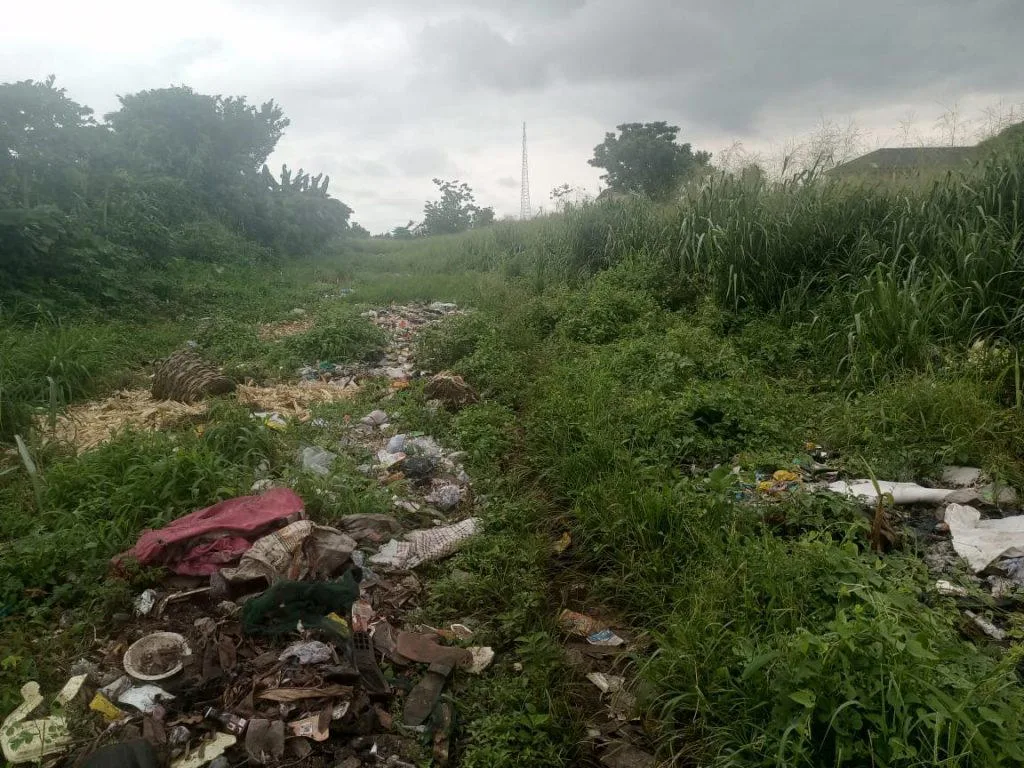
The South-East region is witnessing mixed fortunes in its efforts to improve sanitation. According to a recent survey by Vanguard, several states in the region have shown improved waste management and reduced open defecation, while others continue to struggle with these challenges.
Abia State has emerged as a shining example of sanitation progress. A survey by Vanguard revealed that refuse heaps are no longer a common sight in the state capital, Umuahia. This development is attributed to improved waste collection by contractors engaged by the state government. The immediate past Commissioner for Environment, Victor Chukwu, acknowledged that open defecation remains a major challenge due to the abundance of bushes around the capital and the reluctance of some residents to use public toilets. However, he stated that the ministry has established a task force to address this issue.
In contrast, Anambra State continues to grapple with open defecation and environmental pollution. According to data from UNICEF, only three of the state's 21 local government areas are certified as open defecation-free. The United Nations Children's Fund warned that poor sanitation poses serious threats to public health, education, and community wellbeing.
Anambra residents, however, have expressed concern over the state government's handling of sanitation issues. They argue that the government's declaration of a statewide emergency to address the issue has not yielded tangible results. The residents have called on the government to intensify efforts to stop indiscriminate dumping of refuse into drainage channels, which contributes to flooding during heavy rainfall.
Ebonyi State, on the other hand, has made significant strides in refuse evacuation. The state government has engaged contractors to collect waste regularly, ensuring that dump sites are cleared and refuse heaps do not accumulate on major roads. However, the state still struggles with open defecation, with some residents reluctant to use public toilets due to the abundance of bushes around the capital.
UNICEF has warned that poor sanitation in Anambra State poses serious threats to public health, education, and community wellbeing. Dr. Olusoji Akinleye, the UNICEF Officer-in-Charge of the Enugu Field Office, emphasized the importance of toilets in maintaining public health and hygiene. He stated, 'Toilets are central to our lives—they represent peace, protection, and health. When toilets are inadequate or broken, pollution spreads, leading to deadly diseases.'
The Anambra State Government has declared a statewide emergency to address the sanitation challenges. However, residents argue that this move has not yielded the expected results. The government has failed to address the root cause of the problem, which is the lack of adequate toilet facilities in several riverine communities.
The sanitation crisis in the South-East region has highlighted the need for sustainable solutions. Environmental watchdogs have called on the governments in the region to prioritize sanitation and invest in infrastructure that can support waste management and toilet facilities.
The United Nations Children's Fund (UNICEF) has certified three local government areas in Anambra State as open defecation-free. This makes Anambra the least performing state in the South-East region in terms of sanitation.
Key Facts:
- Abia State has seen a significant reduction in open defecation.
- Ebonyi State has made progress in refuse evacuation.
- Anambra State has the highest rate of open defecation in the South-East.
- Only three local government areas in Anambra State are certified as open defecation-free.
- UNICEF estimates that three percent of Anambra's population still practises open defecation.
- The Anambra State Government has declared a statewide emergency to address sanitation challenges.