

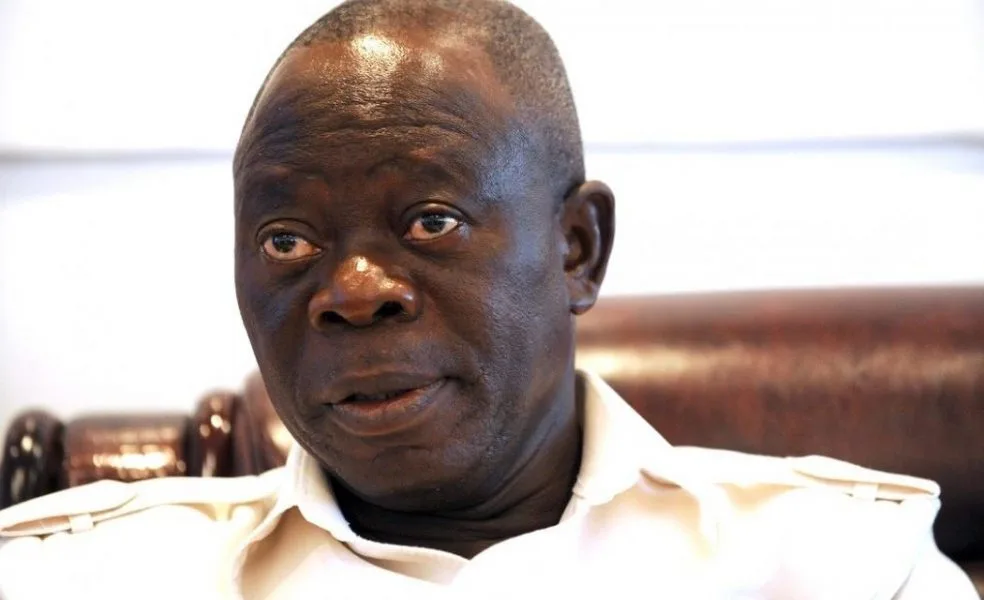
Senator Adams Oshiomhole has criticized the Senate's amendment to its standing rules, warning that altering parliamentary procedures to block perceived rivals could set a dangerous precedent for Nigeria's democracy. He argued that the amendment seems designed to sideline certain individuals and ignores the practical realities of parliamentary service. The Edo North senator made these comments while featuring in an interview on Arise TV. He specifically criticized a new rule requiring lawmakers to serve two consecutive terms before becoming eligible for principal offices.
You don't make laws for specific individuals that you fear may emerge tomorrow. That is the beginning of the road to dictatorship.
Oshiomhole maintained that the amendment process itself was flawed, insisting senators were not given adequate time to scrutinise the proposed changes before they were debated and passed.
Key Facts
- Senator Adams Oshiomhole criticized the Senate's amendment to its standing rules
- The amendment requires lawmakers to serve two consecutive terms before becoming eligible for principal offices
- Oshiomhole argued that the amendment seems designed to sideline certain individuals
- The senator maintained that the amendment process itself was flawed
- Senate President Godswill Akpabio's earlier tenure in the Senate was interrupted after he left to serve as minister before returning to the upper chamber
- Oshiomhole also questioned the rationale behind changing rules for future assemblies rather than allowing incoming lawmakers determine their own procedures
The senator also defended his controversial call for the nationalisation of South African-owned businesses operating in Nigeria following repeated xenophobic attacks against Nigerians in South Africa. He argued that human lives should take precedence over foreign investment interests. And the controversy over the Senate rule amendment has continued to generate debate within political and legal circles ahead of the 2027 elections. Yet, it's not clear how this will play out in the long run. But one thing is certain - the Senate's subsequent reversal of part of the amendment has reinforced concerns that the process had been hurried and poorly thought through.