

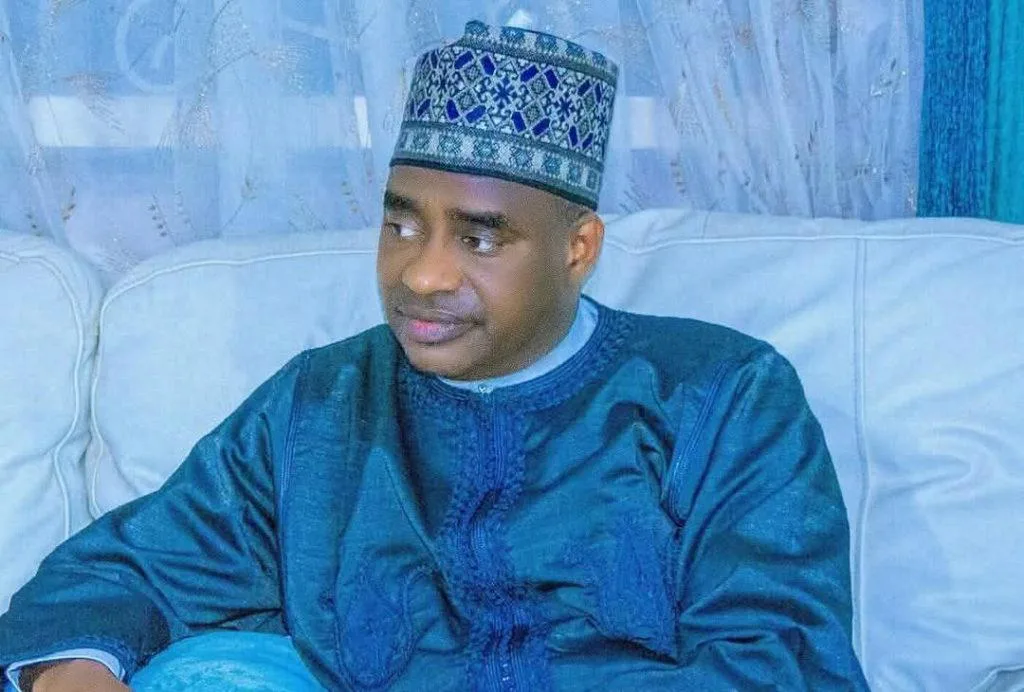
Ambassador Faruk Malami Yabo, a leading opposition figure in Sokoto State, has accused the ruling All Progressives Congress (APC) of undermining Nigeria's democratic system. He alleged that the APC is trying to impose a one-party dominance across the country through political infiltration, suppression of opposition parties, and attempts to weaken the opposition. This allegation is serious, and it's clear that Yabo won't back down.
Yabo, who recently secured his party's Senatorial ticket ahead of the 2027 elections, made these remarks while addressing journalists and supporters. He attributed the growing public support for his candidature to the people's desire for credible leadership, inclusive governance, and a clear political vision for Sokoto State. Many citizens have become dissatisfied with the current state of governance in the country. They're unhappy with the situation in areas like security, agriculture, education, healthcare, and infrastructure development.
The former diplomat also commended former Sokoto State Governor and Senator representing Sokoto South, Aminu Waziri Tambuwal, for withdrawing from the race in his favour. He described the decision as an act of rare statesmanship that attracted national attention and strengthened unity within the opposition movement. Replacing Tambuwal politically won't be easy, due to the former governor's extensive political experience and contributions to both Sokoto State and Nigeria. Tambuwal's achievements are well-known, and he's widely respected.
Yabo recalled Tambuwal's political journey, which began in 2003 when he represented Tambuwal/Kebbe Federal Constituency in the House of Representatives. Tambuwal later became the Speaker of the House of Representatives between 2011 and 2015. He then served two terms as Governor of Sokoto State and emerged as a Senator. Tambuwal's political influence and achievements have continued to shape politics in Sokoto State and beyond. His legacy is still felt today, and it won't be forgotten soon.
Speaking on his own political trajectory, Yabo explained that his movement from the APC to the Peoples Democratic Party (PDP) in 2023 was driven by ideology and vision rather than personal ambition. He didn't join the PDP to displace established party members. Instead, he and his associates joined at a time when key positions within the party had already been occupied. They didn't want to fight for positions, but they wanted to contribute meaningfully to governance and development.
"We joined the PDP because we believed in a vision for Sokoto State," he stated. "It wasn't about fighting for positions because many of the major positions had already been taken before we came." Yabo's statement is clear: he's committed to his vision, and he won't compromise.
Yabo also launched a strong criticism of the APC-led administration at the national level, accusing it of failing to address the country's pressing socio-economic and security challenges. The country has witnessed setbacks in agriculture, worsening insecurity, decaying infrastructure, poor educational outcomes, and declining healthcare services under the current administration. These challenges are significant, and they won't be easy to overcome.
The emergence of a broad opposition coalition under the African Democratic Congress (ADC) was, according to Yabo, a response to growing fears over democratic backsliding and the alleged concentration of political power by the APC. Prominent political leaders and patriots across the country have begun mobilizing to build a stronger opposition platform capable of defending Nigeria's democracy and preserving multiparty politics. This coalition is a significant development, and it could change the course of Nigeria's history.
Yabo expressed concern over what he described as deliberate attempts to weaken opposition parties through internal destabilization and external interference. He warned that attempts to weaken opposition voices could push Nigeria toward authoritarianism if not checked by democratic institutions and the electorate. This is a serious warning, and it shouldn't be ignored.
The survival of democracy in Nigeria depends largely on credible elections, strong institutions, and the ability of citizens to freely determine their political future without coercion or manipulation. Nigerians must remain vigilant and committed to protecting democratic values, political pluralism, and the rule of law ahead of future elections. They can't afford to be complacent, or they'll risk losing their democracy.
Key Facts
- Ambassador Faruk Malami Yabo accused the APC of undermining Nigeria's democracy.
- Yabo secured his party's Senatorial ticket ahead of the 2027 elections.
- Former Sokoto State Governor Aminu Waziri Tambuwal withdrew from the race in Yabo's favour.
- Yabo joined the PDP in 2023, driven by ideology and vision rather than personal ambition.
- The APC-led administration has been accused of failing to address the country's pressing socio-economic and security challenges.
In the context of Nigeria's democratic landscape, Yabo's accusations against the APC are significant. Nigeria has a history of struggling with democratic backsliding and the concentration of political power. The emergence of a broad opposition coalition under the ADC is a response to these concerns and an attempt to build a stronger opposition platform capable of defending Nigeria's democracy. This development won't be easy to ignore, and it could have far-reaching consequences.
As the 2027 general elections approach, the accusations against the APC and the emergence of a broad opposition coalition are likely to shape the political landscape. The ability of citizens to freely determine their political future without coercion or manipulation will be crucial in determining the outcome of the elections and the future of Nigeria's democracy. This is a critical moment in Nigeria's history, and the stakes are high.
The remarks by Yabo come amid increasing political realignments and coalition talks among opposition figures ahead of the 2027 general elections. The posturing by political leaders and the mobilization of opposition parties are likely to intensify in the coming months, setting the stage for a potentially contentious election cycle. This cycle won't be easy to navigate, and it could be marked by controversy and tension.
Yabo's warnings about the dangers of one-party dominance and the importance of protecting democratic values, political pluralism, and the rule of law are timely and relevant. As Nigerians prepare to go to the polls in 2027, they must remain vigilant and committed to defending their democracy and ensuring that the elections are free, fair, and credible. They can't afford to be complacent, or they'll risk losing their democracy.
The accusations against the APC and the emergence of a broad opposition coalition are significant developments in Nigeria's democratic landscape. The ability of citizens to freely determine their political future without coercion or manipulation will be crucial in determining the outcome of the elections and the future of Nigeria's democracy. This is a critical moment, and the outcome is far from certain. The 2027 elections will be a test of Nigeria's democratic institutions, and they'll determine the course of the country's history.